Understanding Aggressive Behaviour in Dogs
Aggressive behaviour in dogs can be challenging for owners and families, but it is often a response to fear, anxiety, lack of socialisation, territorial instincts, or previous negative experiences. Understanding the root cause is the first step toward improving behaviour and building trust between a dog and its owner. Every dog has a unique personality, which means training should be tailored to its specific needs. Professional aggressive dog training focuses on identifying behavioural triggers rather than simply correcting unwanted actions. When the underlying cause is addressed with patience and consistency, dogs can learn healthier ways to respond to different situations. Early intervention also helps prevent behaviours from becoming more serious over time.
Why Professional Training Matters
Managing aggressive behaviour without professional guidance can sometimes increase stress for both the dog and the owner. Experienced trainers understand canine body language, behavioural patterns, and learning methods that support long-term improvement. A structured aggressive dog training programme provides clear guidance while using safe and effective techniques to encourage positive behaviour. Professional trainers also educate owners so they can continue reinforcing good habits at home. This combination of expert knowledge and owner involvement creates better communication and stronger relationships. Consistent training sessions build trust while reducing fear and uncertainty for the dog.
Identifying Common Causes of Aggression
Dogs may display aggressive behaviour for many different reasons, and recognising these causes is essential before beginning any training programme. Fear-based aggression, resource guarding, territorial behaviour, pain, frustration, or inadequate socialisation can all influence how a dog reacts. Each situation requires careful evaluation because every behavioural issue has a different solution. Professional aggressive dog training begins with understanding the dog’s environment, health, and daily routine. Identifying these contributing factors allows trainers to create personalised strategies that address the behaviour safely and effectively. Accurate assessment increases the likelihood of long-term success.
The Importance of Positive Reinforcement
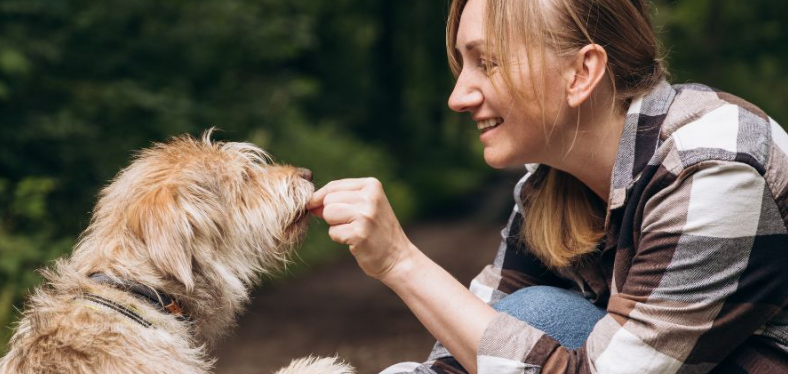
Modern dog training focuses on rewarding desired behaviours instead of relying on punishment. Positive reinforcement encourages dogs to repeat appropriate actions by associating them with enjoyable outcomes. Rewards may include praise, treats, toys, or affection depending on the dog’s preferences. Effective aggressive dog training uses consistent rewards to help dogs build confidence and learn new responses to challenging situations. Positive methods reduce stress and strengthen the bond between dogs and their owners. This approach also creates a learning environment where the dog feels secure rather than fearful.
Building Trust Between Dogs and Owners
Trust is the foundation of every successful training programme. Dogs that feel secure with their owners are generally more responsive to guidance and less likely to react aggressively. Daily interaction, consistent routines, and calm communication help strengthen this relationship over time. A structured aggressive dog training plan encourages owners to participate actively in every stage of the learning process. Through patience and regular practice, dogs begin to associate their owners with safety and stability. A trusting relationship supports better behaviour in both familiar and unfamiliar environments.
The Value of Early Socialisation
Proper socialisation plays an important role in preventing behavioural issues throughout a dog’s life. Introducing puppies and young dogs to different people, animals, environments, and experiences helps them develop confidence. Dogs that miss these opportunities may become fearful or anxious when facing unfamiliar situations. Professional aggressive dog training often includes controlled socialisation exercises designed to improve comfort and reduce reactive behaviour. Gradual exposure under expert supervision helps dogs learn appropriate responses while remaining calm. Good social experiences contribute significantly to long-term behavioural improvement.
Creating Consistent Training Routines
Consistency is one of the most important elements of successful dog training. Dogs learn through repetition, clear expectations, and predictable routines. Mixed messages or inconsistent rules can create confusion and slow behavioural progress. A professional aggressive dog training programme provides structured exercises that owners can continue practising at home every day. Short, regular sessions are often more effective than occasional long training periods. Consistency allows dogs to understand expectations and gradually replace unwanted behaviours with positive habits.
Managing Triggers and Stressful Situations
Many aggressive behaviours occur because specific situations trigger fear, excitement, or frustration. Identifying these triggers allows owners and trainers to prepare appropriate responses before behaviour escalates. Controlled exposure combined with positive reinforcement helps dogs become more comfortable over time. During aggressive dog training, trainers teach owners how to recognise early warning signs such as body posture, facial expressions, and vocalisations. Responding calmly before the dog reaches a heightened emotional state can prevent unwanted reactions. Effective trigger management supports long-term behavioural success.
The Importance of Exercise and Mental Stimulation
Physical activity and mental enrichment play significant roles in maintaining healthy canine behaviour. Dogs with insufficient exercise or stimulation may become frustrated, bored, or anxious, increasing the likelihood of behavioural problems. Daily walks, interactive toys, obedience exercises, and enrichment games provide healthy outlets for energy. A balanced lifestyle complements aggressive dog training by improving emotional wellbeing and reducing stress. Mental challenges also strengthen focus and encourage positive engagement with owners. Combining exercise with structured training creates a healthier routine.
Teaching Owners Effective Communication
Successful dog training depends not only on the dog but also on the owner’s understanding of canine communication. Learning how to recognise body language, timing, and appropriate rewards improves training results considerably. Professional trainers guide owners in using clear verbal cues and consistent actions that dogs can easily understand. An experienced aggressive dog training programme focuses on educating owners alongside their pets. Better communication reduces misunderstandings and strengthens cooperation during everyday interactions. Educated owners are more confident when handling challenging situations.
Avoiding Common Training Mistakes
Many behavioural issues continue because of inconsistent handling or outdated training methods. Punishment, shouting, or physical corrections may increase fear and worsen aggressive behaviour instead of resolving it. Professional guidance helps owners avoid these common mistakes by introducing positive, science-based techniques. A well-designed aggressive dog training plan encourages patience, consistency, and realistic expectations throughout the learning process. Understanding what to avoid is just as important as learning effective strategies. Positive methods create lasting behavioural improvements while protecting the dog’s emotional wellbeing.
Supporting Long-Term Behavioural Improvement
Behavioral change does not happen overnight, and lasting results require ongoing commitment. Dogs continue learning throughout their lives, making regular reinforcement essential even after major improvements have been achieved. Daily practice, continued socialisation, and consistent routines help maintain positive behaviour. Professional aggressive dog training provides the foundation, but owners play the most important role in sustaining progress over time. Small improvements achieved consistently often produce the strongest long-term outcomes. Continued support ensures lasting success.
When to Seek Professional Help
Some behavioural issues require immediate professional attention, particularly if aggression places people, other animals, or the dog at risk. Seeking expert assistance early can prevent behaviours from becoming more severe and difficult to manage. Qualified trainers assess each situation individually and recommend safe, practical solutions. Professional guidance helps owners understand the reasons behind aggressive behaviour while creating realistic improvement plans. Early intervention often leads to better results and reduces stress for everyone involved. Asking for help demonstrates responsible pet ownership and commitment to the dog’s wellbeing.
Benefits of Structured Training Programmes
Structured programmes provide measurable goals, consistent progression, and professional supervision throughout the training journey. Dogs learn more effectively when lessons follow a logical sequence that gradually increases in difficulty. Trainers monitor progress, adjust techniques when needed, and provide valuable feedback to owners. These organised programmes improve confidence while supporting steady behavioural development. A structured approach also ensures that both the dog and owner understand each stage before moving forward. Clear goals create better motivation and stronger long-term results.
Creating a Positive Home Environment
The home environment has a significant influence on canine behaviour. Calm routines, predictable schedules, and positive interactions help dogs feel secure and reduce anxiety. Owners who reinforce good behaviour consistently create an atmosphere where learning becomes easier. Training should continue beyond formal sessions through everyday activities and family involvement. A supportive environment encourages dogs to practise their new skills naturally. Positive home experiences complement professional training and strengthen behavioural improvements over time.
Conclusion
Improving aggressive behaviour requires patience, consistency, professional guidance, and a commitment to understanding each dog’s individual needs. Rather than focusing only on correcting unwanted actions, successful training identifies the reasons behind the behaviour and teaches healthier responses. Professional aggressive dog training combines positive reinforcement, structured routines, owner education, and gradual behaviour modification to create lasting improvements. By investing time, maintaining consistency, and working closely with experienced trainers, owners can help their dogs become calmer, more confident, and better prepared for everyday life. A positive approach not only improves behaviour but also strengthens the lifelong bond between dogs and their families.