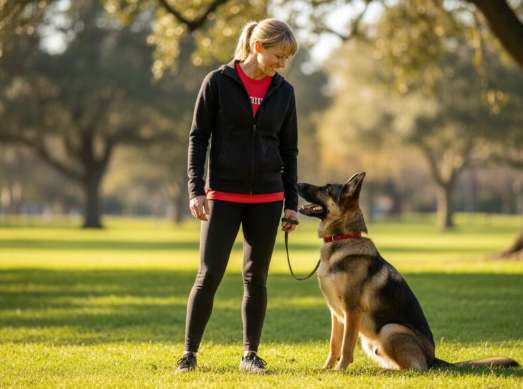
Understanding the Importance of Structured Dog Training
Training plays a vital role in helping dogs develop good manners, confidence, and positive behaviour. A well-trained dog is easier to manage, more comfortable in different situations, and better able to communicate with its owner. Many behavioural issues develop because dogs do not understand expectations or lack proper guidance during important stages of their development. Professional training provides structure, consistency, and effective techniques that encourage dogs to learn in a positive environment. Enrolling in dog training classes gives owners access to expert guidance while allowing dogs to improve their obedience and social skills. A structured learning approach helps create a balanced relationship between dogs and their families by improving communication and trust.
The Benefits of Professional Training Support
Professional trainers understand that every dog has a different personality, learning speed, and behavioural background. Some dogs may need help with basic obedience, while others may require support with confidence, socialisation, or specific behavioural challenges. Experienced trainers evaluate each dog’s needs and create suitable training methods that encourage steady improvement. Through dog training classes, pets receive consistent instruction while owners learn how to reinforce positive behaviours at home. This combination of professional guidance and owner involvement creates better long-term results. Proper training also helps prevent unwanted habits from becoming difficult to manage in the future.
Building Strong Communication Between Dogs and Owners
Communication is the foundation of a successful relationship between a dog and its owner. Dogs do not naturally understand human expectations, so they need clear signals, consistent commands, and positive feedback to learn effectively. Training teaches owners how to use appropriate timing, body language, and rewards to communicate clearly with their pets. Professional instructors help families understand how dogs respond to different situations and how to encourage desired behaviour. Dog training classes provide an environment where both dogs and owners can practise communication skills together. Improved understanding creates stronger bonds and makes everyday interactions more enjoyable.
Developing Basic Obedience Skills
Basic obedience is an essential part of every dog’s education because it creates a foundation for more advanced learning. Commands such as sit, stay, come, leave it, and down help dogs understand boundaries and respond appropriately to instructions. These skills are useful in daily routines and can improve safety in different situations. Professional trainers introduce commands gradually and use repetition to help dogs remember and apply what they learn. Dog training classes allow pets to practise these behaviours with guidance while learning how to focus despite distractions. Consistent obedience training creates reliable habits that benefit dogs throughout their lives.
The Role of Positive Reinforcement in Learning
Positive reinforcement is one of the most effective approaches for teaching dogs new skills and encouraging good behaviour. Instead of focusing on punishment, this method rewards actions that owners want their dogs to repeat. Rewards may include treats, praise, toys, or playtime, depending on what motivates each individual dog. Professional trainers use positive methods to create a comfortable learning environment where dogs feel confident and willing to participate. During dog training classes, animals learn through encouragement, repetition, and successful experiences. This approach strengthens trust while making the learning process more enjoyable for both dogs and owners.
Improving Social Skills and Confidence
Socialisation is an important part of raising a well-adjusted dog. Dogs need opportunities to experience different people, environments, sounds, and other animals in a controlled way. Without proper social experiences, some dogs may become fearful, anxious, or overly reactive in unfamiliar situations. Training environments provide opportunities for dogs to practise calm behaviour while learning appropriate responses. Dog training classes support confidence building by exposing pets to new experiences under professional supervision. Gradual social development helps dogs become more comfortable and adaptable throughout their lives.
Addressing Common Behavioural Problems
Many owners seek professional training because they experience challenges such as excessive barking, jumping, chewing, pulling on the lead, or difficulty following commands. These behaviours often occur because dogs need clearer guidance, more structure, or better outlets for their energy. Professional trainers identify the causes behind these behaviours before creating effective solutions. Instead of simply correcting problems, they focus on teaching dogs alternative behaviours that are more appropriate. Dog training classes provide a consistent environment where dogs can practise new habits while receiving expert support. This approach helps create lasting behavioural improvements.
Creating Consistency Through Regular Practice
Consistency is one of the most important factors in successful dog training. Dogs learn best when expectations remain clear and routines are maintained over time. Practising commands regularly helps reinforce lessons and allows dogs to develop confidence in their abilities. Owners who continue training at home after professional sessions often achieve stronger results because learning becomes part of everyday life. Regular practice also helps prevent dogs from forgetting previously learned skills. A consistent approach creates stability and encourages dogs to respond appropriately in different situations.
Choosing the Right Training Approach
Every dog has unique needs, which means the right training approach should consider age, personality, temperament, and previous experiences. Some dogs may benefit from basic obedience lessons, while others may require more focused behavioural support. Professional trainers assess each dog individually and recommend suitable techniques that match their learning style. A personalized approach makes training more effective and reduces frustration for both dogs and owners. Choosing appropriate dog training classes ensures that pets receive guidance that supports their specific development and behavioural goals.
Encouraging Better Focus and Discipline
Focus and discipline are important qualities that help dogs respond appropriately in different situations. Many dogs become distracted by sounds, movement, other animals, or unfamiliar environments, making it difficult for owners to maintain control. Professional training helps dogs learn how to pay attention and follow instructions even when distractions are present. Trainers use gradual exercises that increase difficulty while rewarding calm and controlled behaviour. Through dog training classes, pets develop stronger concentration and learn how to respond reliably to commands. Improved focus makes everyday activities such as walks, visits, and family interactions much easier and more enjoyable.
Supporting Mental Stimulation and Healthy Development
Dogs need mental challenges as much as they need physical activity. Without proper stimulation, some dogs may become bored and develop unwanted behaviours such as excessive chewing, digging, or constant barking. Training exercises provide valuable mental engagement by encouraging problem-solving, memory, and decision-making skills. Professional programmes include activities that challenge dogs while keeping the learning process enjoyable. Dog training classes help provide structured mental stimulation that supports emotional balance and overall wellbeing. A mentally active dog is often more confident, relaxed, and capable of adapting to different situations.
Helping Puppies Build Positive Habits
Early training plays a significant role in shaping a puppy’s future behaviour. Puppies are naturally curious and learn quickly, making their early development an ideal time to introduce good habits and appropriate manners. Training helps puppies understand boundaries, develop confidence, and become comfortable with new experiences. Professional guidance ensures that owners use effective methods from the beginning instead of allowing unwanted behaviours to become established. Puppy-focused dog training classes create opportunities for young dogs to learn basic commands, social skills, and proper interaction. Early education provides a strong foundation for lifelong positive behaviour.
Training Older Dogs Successfully
Many people believe that older dogs cannot learn new behaviours, but this is not true. Dogs of all ages can improve through patience, consistency, and appropriate training methods. Older dogs may require different approaches depending on their previous experiences and habits, but they are still capable of learning. Professional trainers understand how to work with mature dogs and create realistic training goals. Dog training classes provide structured support that helps older pets develop new skills while improving existing behaviours. Continued learning can also provide mental stimulation and strengthen the bond between older dogs and their owners.
The Importance of Owner Participation
Successful training depends on cooperation between professional trainers and dog owners. While trainers provide knowledge and guidance, owners play the most important role in maintaining progress at home. Learning how to give commands correctly, reward positive behaviour, and respond calmly to challenges helps owners become more effective leaders. Professional instructors teach families how to continue practising lessons outside of scheduled sessions. Active participation creates consistency and allows dogs to understand expectations clearly. When owners and trainers work together, dogs are more likely to achieve lasting behavioural improvements.
Creating a Positive Learning Environment
A comfortable and encouraging environment helps dogs learn more effectively. Training should be a positive experience where dogs feel safe, motivated, and confident while developing new skills. Professional trainers focus on building trust and avoiding unnecessary stress during lessons. A supportive atmosphere allows dogs to participate willingly and respond better to instruction. Positive experiences during training encourage dogs to continue learning and trying new behaviours. Creating this type of environment helps develop a stronger connection between dogs and their owners.
Preventing Future Behavioural Issues
Training is not only about solving current problems but also about preventing future challenges. Dogs that receive proper guidance from an early stage are more likely to develop healthy habits and appropriate responses. Consistent training teaches dogs how to handle different situations while reducing confusion and anxiety. Professional instruction helps owners recognise early signs of behavioural concerns and address them before they become serious. Regular practice and reinforcement create stability that supports long-term success. Preventative training is a valuable investment in a dog’s overall wellbeing.
Building Confidence Through Learning
Confidence is an important part of a dog’s emotional health. Dogs that feel secure and capable are often better prepared to handle new experiences and changes in their environment. Training provides opportunities for dogs to succeed, which increases their confidence over time. Completing exercises, learning commands, and receiving positive feedback encourages dogs to approach challenges with a better attitude. Structured dog training classes allow pets to develop skills in a controlled setting while receiving professional encouragement. Confident dogs are usually calmer and more adaptable companions.
The Long-Term Value of Professional Training
Professional training provides benefits that continue throughout a dog’s entire life. The skills learned during training improve communication, strengthen relationships, and make daily routines easier for families. A trained dog is often more comfortable in different situations and easier to manage around people and other animals. The lessons learned through structured programmes create habits that remain valuable over time. Investing in professional education helps owners better understand their pets while creating a stronger partnership. Training is not just about commands; it is about developing trust, respect, and cooperation.
Maintaining Training Progress Over Time
Training should continue even after a dog has completed a formal programme. Regular practice helps maintain learned behaviours and keeps dogs mentally engaged. Owners should continue rewarding positive actions and reinforcing important commands during everyday activities. Ongoing practice prevents skills from becoming forgotten and encourages continued development. A lifetime approach to training ensures that dogs remain responsive and confident as they grow older. Continued learning also provides opportunities to introduce new challenges and strengthen the relationship between dogs and their owners.
Conclusion
Professional training is an essential part of raising a happy, confident, and well-behaved dog. Through structured lessons, positive reinforcement, and consistent practice, dogs can develop strong obedience skills and better social behaviour. Dog training classes provide valuable support by helping both pets and owners learn effective communication techniques while building trust and understanding. Whether working with a puppy, an adult dog, or a pet with specific behavioural challenges, professional guidance can create meaningful improvements. With patience, commitment, and regular reinforcement, training becomes a rewarding experience that benefits both dogs and their families for many years. A well-trained dog is not only easier to manage but also a more confident and enjoyable companion.