Understanding the Importance of Fire Damage Recovery
A fire incident can create serious challenges for any property, affecting not only the structure but also personal belongings, indoor conditions, and overall safety. The effects of fire often extend beyond visible damage because smoke, soot, odors, and moisture from firefighting efforts can continue causing problems after the flames are gone. Recovering from such an event requires careful planning, specialized knowledge, and effective restoration techniques. Professional fire damage restoration focuses on repairing affected areas, removing harmful residues, and restoring the property to a safe and usable condition. A proper recovery approach helps minimize further damage and allows property owners to rebuild with confidence. Understanding the restoration process, available solutions, and prevention methods can help people respond more effectively when facing fire-related challenges.
The Impact of Fire Damage on Properties
Fire damage can affect many different parts of a building, including walls, ceilings, flooring, electrical systems, furniture, and personal items. Even areas that appear unaffected may experience problems caused by smoke particles and heat exposure. Smoke can travel throughout a property, leaving behind odors and residue that are difficult to remove without professional methods. Water and chemicals used during firefighting can also create additional concerns, such as moisture damage and mold growth. Because fire-related problems involve multiple types of damage, recovery requires a detailed assessment before repairs begin. Identifying all affected areas helps create a more effective restoration plan. A complete evaluation ensures that hidden issues are addressed along with visible damage.
The Initial Assessment and Inspection Process
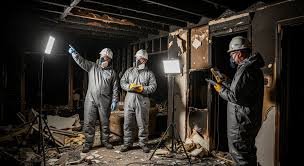
The first step in restoring a fire-affected property is conducting a detailed inspection. Professionals examine the structure, identify damaged areas, and determine the level of restoration required. This assessment includes checking walls, floors, ceilings, electrical components, ventilation systems, and personal belongings. Specialists also evaluate smoke and soot contamination because these issues may affect areas beyond the direct fire zone. A thorough inspection helps create an accurate recovery strategy based on the specific condition of the property. Proper documentation during this stage can also help with repair planning and insurance processes. A careful assessment ensures that restoration efforts focus on both safety and long-term results.
The Complete Fire Damage Restoration Process
The restoration process involves several important stages designed to return a damaged property to its previous condition. After inspection, professionals begin by securing the property and preventing additional damage. This may include removing damaged materials, protecting exposed areas, and addressing safety concerns. Cleaning and deodorizing are then performed to remove smoke residue and unpleasant odors. Repairs and reconstruction follow once the property has been properly cleaned and prepared. The goal of fire damage restoration is not only to repair visible problems but also to restore comfort, safety, and functionality. Each step requires specialized equipment and expertise to achieve effective results.
Removing Smoke and Soot Damage
Smoke and soot can create some of the most difficult challenges after a fire. These residues can spread throughout a building and affect surfaces, furniture, fabrics, and air quality. If not removed properly, soot particles may continue causing discoloration and unpleasant odors. Professional cleaning methods are used to remove residue while protecting materials from additional damage. Specialized equipment and techniques help restore affected surfaces and improve indoor conditions. Deodorization methods are also used to eliminate persistent smoke smells. Addressing smoke and soot thoroughly is an essential part of complete property recovery.
Addressing Water and Moisture Problems After Fire
Firefighting efforts often involve large amounts of water, which can create secondary damage if not handled quickly. Excess moisture may damage building materials and create conditions that encourage mold growth. Proper drying and moisture control are important steps in preventing additional problems. Restoration professionals use specialized equipment to remove excess water and restore normal moisture levels. This process helps protect structural components and improves the overall recovery outcome. Managing water-related issues along with fire damage creates a more complete restoration approach. Quick action reduces the risk of long-term complications.
The Importance of Professional Restoration Services
Attempting to handle fire-related damage without professional assistance can create additional challenges. Fire damage often involves hidden problems that may not be immediately visible, including structural weaknesses, smoke contamination, and moisture issues. Experienced professionals have the knowledge and equipment needed to identify and address these concerns properly. They follow organized procedures to ensure that every stage of recovery is completed effectively. Professional support also helps reduce stress by providing guidance throughout the restoration process. Choosing qualified specialists improves the chances of achieving safe and lasting results. Expert assistance is an important part of returning a property to a comfortable condition.
Repairing Structural and Interior Damage
Restoring a fire-damaged property often involves repairing both structural and interior elements. Depending on the severity of the damage, repairs may include replacing drywall, flooring, insulation, ceilings, or damaged fixtures. Some areas may require reconstruction to restore safety and functionality. Interior restoration can also involve cleaning or replacing furniture, cabinets, and decorative items. The repair process is carefully planned to ensure that the property meets safety standards and provides a comfortable environment again. Quality repairs help restore both appearance and performance. A complete approach addresses every affected area rather than focusing only on visible damage.
Protecting Valuable Belongings During Recovery
Fire incidents can damage personal belongings, important documents, furniture, and valuable items. Restoration specialists may evaluate which items can be cleaned, repaired, or preserved. Advanced cleaning methods can sometimes restore items affected by smoke or soot. Proper handling is important because incorrect cleaning methods may cause additional damage. A careful recovery approach helps save valuable possessions whenever possible. Protecting belongings is an important part of the overall restoration process because many items carry personal and financial value. Professional evaluation helps determine the best solutions for damaged contents.
Common Mistakes to Avoid After Fire Damage
After a fire incident, certain mistakes can make recovery more difficult or increase damage. One common mistake is delaying action, as smoke, moisture, and residue can continue affecting the property over time. Another issue is attempting deep cleaning without proper equipment or knowledge. Some materials require specialized treatment to avoid permanent damage. Ignoring hidden areas can also lead to future problems. A professional assessment helps identify all concerns and creates a more effective recovery plan. Taking the right steps early improves the chances of successful restoration.
Preventing Future Fire-Related Problems
Prevention plays an important role in reducing the risk of future fire incidents. Regular maintenance of electrical systems, heating equipment, and appliances can help identify potential hazards. Installing safety devices such as smoke alarms and checking them regularly improves early detection. Proper storage of flammable materials and responsible use of equipment also contribute to safer environments. Creating a prevention plan helps protect both property and occupants. While accidents cannot always be avoided, preparation can reduce risks and improve response times. Awareness and regular maintenance are essential parts of long-term property protection.
The Role of Modern Technology in Restoration
Advancements in technology have improved the way fire recovery projects are managed. Modern equipment allows professionals to detect moisture, remove contaminants, and restore affected materials more effectively. Advanced cleaning systems, drying equipment, and monitoring tools help improve accuracy and efficiency. Technology also supports better planning by providing detailed information about property conditions. These improvements allow restoration teams to deliver more reliable results. As restoration methods continue to develop, recovery processes become faster and more effective. Modern tools combined with professional expertise create stronger solutions for damaged properties.
Choosing the Right Restoration Approach
Every fire damage situation is different, which means restoration plans should be customized according to the specific circumstances. Factors such as the size of the affected area, type of materials involved, and level of damage influence the recovery process. A detailed evaluation helps determine the most suitable methods and timeline. Working with experienced professionals ensures that the restoration approach addresses both immediate and long-term needs. Proper planning reduces unnecessary costs and improves overall results. A customized strategy provides a more efficient path toward complete property recovery.
Final Thoughts
Recovering from a fire requires careful planning, professional support, and a complete understanding of the restoration process. Fire damage can affect structures, belongings, air quality, and overall safety, making a detailed recovery approach essential. Fire damage restoration provides the expertise needed to remove smoke, repair damaged areas, manage moisture issues, and restore properties effectively. By responding quickly, choosing qualified professionals, and following proper prevention practices, property owners can reduce risks and improve recovery outcomes. A well-managed restoration process helps transform a damaged property into a safe, comfortable, and functional space again.