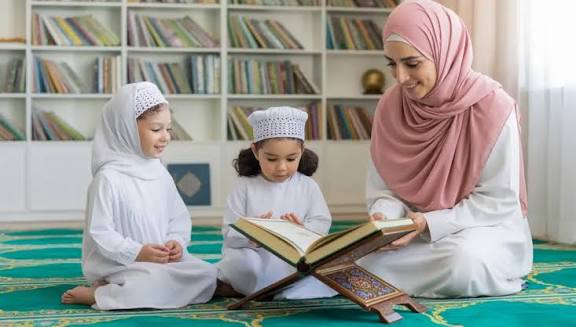
Teaching children the Quran from an early age helps them develop strong spiritual values, good pronunciation skills, and a deeper connection with Islamic teachings. With modern learning options available today, parents can choose educational programs that fit their child’s needs, learning style, and daily routine.
Many families look for safe and effective ways to introduce Quran education while balancing school, activities, and family responsibilities. Online learning has made it easier for children to study with qualified teachers from the comfort of their homes. This guide explains how Quran classes for kids work and what parents should consider when choosing the right program.
Quran Classes for Kids: Building Strong Foundations Early
Starting Quran education during childhood helps children become familiar with Arabic letters, pronunciation, and basic Islamic concepts at an early stage. Young learners often absorb new information quickly when lessons are designed according to their age and understanding level.
Quality Quran classes for kids focus on creating a positive learning experience rather than making lessons feel stressful. Teachers use engaging methods, encouragement, and simple explanations to help children develop confidence while learning.
Early Quran education also helps children build regular study habits. When Quran learning becomes part of their routine, children are more likely to continue improving their skills as they grow older.
Why Quran Education is Important for Children
The Quran provides guidance, values, and lessons that help children understand kindness, patience, honesty, and respect. Learning its verses allows children to develop a stronger connection with their faith while gaining important life lessons.
Quran education also improves children’s focus and discipline. Regular lessons encourage consistency, memory development, and attention to detail through reading and memorization activities.
For many families, Quran classes are an important part of raising children with strong moral foundations. A supportive learning environment helps children appreciate the importance of the Quran in their everyday lives.
Choosing the Right Learning Method for Your Child
Every child learns differently, which is why selecting the right teaching approach is important. Some children benefit from visual learning methods, while others learn better through repetition, listening, and interactive activities.
Online Quran programs provide flexibility by allowing children to attend lessons from home. This option saves travel time and helps parents create a comfortable learning environment where children can focus.
In-person classes can also work well for families who prefer traditional classroom settings. The best choice depends on the child’s personality, schedule, and learning preferences.
What Children Learn in Quran Classes
Beginner students usually start with Arabic letters, pronunciation, and basic reading skills. These early lessons help children recognize Quranic words and develop confidence before moving to more advanced topics.
As children progress, they learn Tajweed rules to improve their recitation accuracy. Proper pronunciation is emphasized so students can read verses correctly and develop better fluency.
Advanced lessons may include Quran memorization, understanding meanings, and learning Islamic teachings. Structured courses allow children to progress step by step without feeling overwhelmed.
Finding a Qualified Quran Teacher for Children
A good Quran teacher understands how to work with young learners. Teaching children requires patience, encouragement, and the ability to explain concepts simply and engagingly.
Parents should look for teachers with strong Quran knowledge and experience teaching children. A teacher who creates a friendly environment can help students feel comfortable and motivated during lessons.
Communication between parents and teachers is also important. Regular updates about progress, challenges, and learning goals help ensure children receive the support they need.
Creating a Positive Learning Environment at Home
A dedicated learning space can improve a child’s concentration during Quran lessons. A quiet area with minimal distractions allows children to focus better and participate actively.
Parents can support learning by setting a consistent schedule for classes and revision. A routine helps children understand that Quran education is an important responsibility.
Encouragement also plays a major role in motivation. Celebrating small achievements helps children stay positive and develop confidence in their learning journey.
How Technology Improves Quran Learning for Children
Technology has changed the way children access Quran education. Online platforms allow students to connect with teachers through live video lessons, interactive tools, and digital learning materials.
Features such as screen sharing and online resources make it easier for teachers to explain Arabic letters, pronunciation rules, and reading techniques. These tools create an engaging experience for young learners.
Recorded lessons and digital resources also allow children to review previous topics. Additional practice outside class helps strengthen understanding and improves long-term retention.
Common Mistakes Parents Should Avoid
Choosing a Quran program only because it is inexpensive can sometimes affect learning quality. Parents should consider teacher experience, course structure, communication, and teaching methods before making a decision.
Another mistake is expecting children to progress too quickly. Every child learns at a different pace, and patience is necessary to build strong Quran reading skills.
Parents should also avoid making lessons feel like a punishment. A positive attitude toward Quran learning helps children develop love and respect for their education.
Conclusion
Choosing Quran classes for kids gives children an opportunity to learn the Quran in a structured, supportive, and age-appropriate way. With qualified teachers, engaging lessons, and consistent practice, children can develop strong recitation skills and a meaningful connection with Islamic teachings.