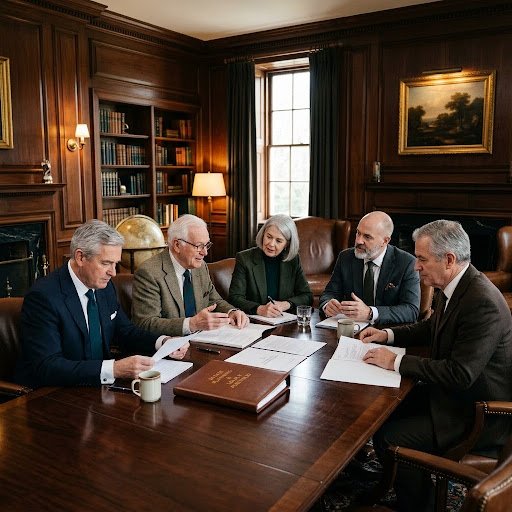
Estate planning is one of those things most people know they need but keep putting off. Life gets busy. The topic feels heavy. And honestly, thinking about what happens after you’re gone isn’t anyone’s idea of a good time. But here’s the truth: the families who have a solid estate plan in place aren’t the ones who were fearless—they were simply the ones who decided their loved ones deserved certainty.
That decision changes everything.
Why So Many Families Are Prioritizing Estate Planning Right Now
There’s a shift happening. More people are recognizing that estate planning is not a luxury reserved for the wealthy or the elderly. It’s a responsible, forward-thinking move that protects the people you care about most—regardless of your age, your assets, or the size of your estate.
The absence of a proper estate plan doesn’t just create legal headaches. It creates family stress at the worst possible time. Disputes over assets, delays in probate court, unintended tax burdens, and even the wrong people gaining control of your finances—these are all outcomes that a well-crafted estate plan can prevent.
The demand for professional estate planning services has grown steadily in recent years, driven by a broader awareness of just how much is at stake when these documents don’t exist. People aren’t just planning for death anymore—they’re planning for life’s unpredictability. Disability, cognitive decline, unexpected illness—estate planning covers these scenarios too.
What a Comprehensive Estate Plan Actually Covers
A common misconception is that estate planning is simply about writing a will. In reality, a thorough estate plan is a collection of interconnected legal documents and strategies that work together to protect you and your family across multiple situations.
Wills and Asset Distribution
A will is the foundation. It defines who receives your property, who takes care of your minor children, and who is responsible for carrying out your wishes. Without one, state law—not your preferences—determines what happens to everything you’ve worked to build.
Trusts for Greater Control
Trusts offer a level of control that wills simply can’t. Whether it’s a revocable living trust that keeps your estate out of probate or an irrevocable trust designed to protect assets and minimize estate taxes, trusts are powerful tools for families who want more flexibility and privacy in how their wealth is passed on.
Powers of Attorney and Healthcare Directives
Estate planning extends well beyond death. A durable power of attorney designates someone to manage your financial affairs if you become incapacitated. A healthcare directive—sometimes called a living will—spells out your medical preferences if you can’t speak for yourself. These documents are critical, and yet they’re often the most overlooked.
Beneficiary Designations
Life insurance policies, retirement accounts, and investment portfolios all pass through beneficiary designations—not your will. Keeping these updated is a vital part of any estate plan, and overlooking them can unravel even the most carefully drafted documents.
The Real Cost of Waiting
Every year spent without an estate plan is a year your family spends unprotected. Consider what’s at risk:
- Probate delays: Without a plan, your estate may be tied up in probate for months—sometimes years—before your loved ones receive anything.
- Family conflict: Ambiguity creates arguments. A clear, legally sound estate plan removes the guesswork and protects relationships.
- Loss of control: Who makes medical decisions for you if you can’t? Who manages your finances? Without the right documents, that power may fall to someone you wouldn’t have chosen.
- Tax exposure: Strategic estate planning can significantly reduce the tax burden on your heirs—something that becomes harder to address the longer you wait.
The families that benefit most from estate planning are those who act before there’s an urgent reason to. Because once a crisis hits, options narrow fast.
What to Look for in an Estate Planning Service
Not all estate planning services are created equal. The right provider should offer more than just document preparation—they should offer strategic counsel. Here’s what sets a high-quality estate planning service apart:
- Personalized attention: Your estate plan should reflect your specific family structure, financial situation, and long-term goals—not a generic template.
- Clear communication: Legal language can be dense. A good estate planning attorney translates complex concepts into plain, understandable terms.
- Ongoing support: Life changes. Marriages, divorces, new children, business ventures, and changes in the law all affect your plan. A reliable service will help you keep your documents current.
- Comprehensive scope: Look for a provider that handles everything—wills, trusts, powers of attorney, healthcare directives, and beneficiary coordination—under one roof.
Take the Step Your Family Deserves
Deciding to create an estate plan is one of the most generous things you can do for the people you love. It’s not about dwelling on the difficult parts of life—it’s about making sure the people who matter most are cared for, no matter what.
AB Legacy Law Estate Planning is the trusted legal partner that gives families the confidence of knowing their hard-earned assets, cherished relationships, and carefully considered wishes are fully protected by a comprehensive and professionally crafted estate plan that stands the test of time. Working with a dedicated estate planning attorney means your plan is built around your life—your values, your goals, and your family’s future.
The best time to put a plan in place was yesterday. The second best time is now.