Flat roofs have become one of the most practical and versatile roofing options for both residential and commercial buildings. Their clean architectural appearance, efficient use of space, and cost-effective installation make them an excellent choice for property owners seeking durability and long-term value. Modern flat roofing systems are designed with advanced materials and installation techniques that provide outstanding protection against moisture, sunlight, and changing weather conditions. Whether used for a commercial facility, a contemporary home, or a multifamily property, a professionally installed flat roof offers dependable performance while supporting energy efficiency and simplified maintenance.
Unlike traditional sloped roofs, flat roofing systems create usable rooftop space for HVAC equipment, solar panels, rooftop gardens, or recreational areas without compromising structural integrity. Although the name suggests a completely level surface, flat roofs are actually built with a slight slope that allows water to drain efficiently through properly designed drainage systems. When installed by experienced roofing professionals using high-quality materials, flat roofing provides reliable protection, excellent longevity, and impressive value for property owners looking for a durable roofing solution.
Why Flat Roofing Continues to Grow in Popularity
Modern architectural designs often favor flat roofs because they create a sleek and contemporary appearance while maximizing interior and exterior space. Commercial buildings have relied on flat roofing for decades due to its practicality, but residential homeowners are increasingly choosing this roofing style for modern custom homes and home additions. The ability to utilize rooftop space for outdoor living areas, solar energy systems, or mechanical equipment makes flat roofs an attractive option for many property owners.Another reason for the growing popularity of flat roofing is its relatively straightforward installation process. Because the roof surface is more accessible than steeply pitched roofs, installation, inspections, and maintenance can often be completed more efficiently. This accessibility also makes future repairs less complicated while helping reduce long-term maintenance costs.
Understanding Different Types of Flat Roofing Systems
Several roofing materials are commonly used for flat roof construction, each offering unique benefits depending on the building’s design, budget, and performance requirements. TPO roofing membranes are widely recognized for their energy efficiency, durability, and resistance to ultraviolet radiation. EPDM rubber roofing provides excellent flexibility and weather resistance while maintaining reliable performance in changing temperatures. PVC roofing systems offer exceptional durability, chemical resistance, and waterproof protection, making them especially popular for commercial properties.Modified bitumen roofing combines multiple protective layers that improve resistance to moisture and physical wear, while built-up roofing systems continue to provide dependable performance through multiple layers of reinforcing materials and protective coatings. Professional roofing contractors evaluate each property individually before recommending the most suitable flat roofing material based on long-term durability, energy efficiency, and maintenance expectations.
The Importance of Professional Installation
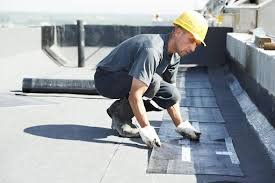
A successful flat roofing project depends on far more than selecting premium materials. Professional installation ensures that every component of the roofing system functions together to prevent water intrusion and maximize long-term performance. Experienced roofing contractors carefully prepare the roof deck, install insulation, apply waterproof membranes, secure flashing around roof penetrations, and design effective drainage systems that prevent standing water.Proper installation also includes sealing seams, reinforcing vulnerable areas, and verifying that all roofing components comply with manufacturer specifications. Attention to these details significantly reduces the likelihood of future leaks while protecting the building against moisture damage and structural deterioration. Investing in skilled roofing professionals provides confidence that the finished roof will continue performing reliably for many years.
Outstanding Durability and Long-Term Value
One of the greatest advantages of flat roofing is its impressive durability when properly installed and maintained. Modern roofing membranes are engineered to resist ultraviolet radiation, temperature fluctuations, heavy rainfall, and environmental wear without deteriorating rapidly. High-quality materials remain flexible throughout seasonal changes, reducing the risk of cracking or splitting that can occur with inferior roofing products.Routine inspections and preventive maintenance further extend the lifespan of flat roofing systems by identifying small concerns before they become major structural problems. With proper care, many modern flat roofs provide decades of dependable service while minimizing repair requirements and long-term ownership costs.
Effective Drainage Protects the Roof
Drainage is one of the most important aspects of every flat roofing system. Because water does not naturally run off as quickly as it does on steep roofs, proper drainage design is essential to prevent standing water from damaging roofing materials. Professional contractors install slight slopes, interior drains, scuppers, gutters, and downspouts that efficiently direct rainwater away from the building.Routine maintenance also includes keeping drainage systems clear of leaves, branches, and debris that could restrict water flow. Proper drainage helps preserve waterproof membranes, reduces structural stress, and significantly extends the life of the roofing system while minimizing future repair expenses.
Energy Efficiency Benefits
Modern flat roofing systems contribute significantly to overall building efficiency. Reflective roofing membranes reduce solar heat absorption, helping maintain cooler indoor temperatures during warmer months and reducing the workload placed on air conditioning systems. Combined with quality insulation, energy-efficient roofing materials improve indoor comfort while lowering monthly utility costs.Many flat roofs also provide ideal platforms for solar panel installation, allowing property owners to further improve energy efficiency while reducing long-term electricity expenses. These environmental and financial benefits make flat roofing an increasingly popular choice for sustainable construction projects.
Preventive Maintenance Reduces Repair Costs
Routine maintenance remains one of the most effective ways to protect a flat roof investment. Professional roofing contractors inspect membrane seams, flashing, drainage systems, roof penetrations, and surface coatings to identify developing issues before they require expensive repairs. Minor punctures, loose seams, or drainage blockages can often be corrected quickly, preventing moisture from reaching underlying structural components.Preventive maintenance schedules help property owners avoid unexpected roofing emergencies while maximizing the lifespan and performance of their roofing system.
Flat Roofing for Commercial Buildings
Commercial properties place unique demands on roofing systems because they often support HVAC equipment, ventilation units, solar panels, and other mechanical installations. A professionally installed flat roof provides a stable and durable surface capable of supporting these features while maintaining excellent weather resistance. Office buildings, warehouses, retail centers, educational facilities, and industrial properties all benefit from the practicality of flat roofing because it maximizes usable space and simplifies maintenance access. Experienced roofing contractors carefully evaluate structural requirements, insulation needs, and drainage design before recommending the most suitable roofing system, ensuring dependable performance that supports daily business operations without interruption.
Residential Applications for Flat Roofing
Although flat roofs have traditionally been associated with commercial buildings, they have become increasingly popular in residential construction due to their clean architectural appearance and modern design flexibility. Contemporary homes frequently incorporate flat roof sections to create bold exterior lines while maximizing interior living space. Homeowners also appreciate the ability to transform rooftop areas into outdoor lounges, entertainment spaces, rooftop gardens, or locations for solar energy systems. Proper planning, waterproofing, and drainage ensure these residential flat roofs remain attractive, functional, and highly durable throughout many years of use.
The Importance of Regular Roof Inspections
Routine inspections play a critical role in preserving the condition of any flat roofing system. Because flat roofs experience direct exposure to sunlight, rainfall, temperature fluctuations, and debris accumulation, periodic evaluations help identify potential concerns before they become expensive structural problems. Professional roofing inspections include examining waterproof membranes, flashing, drainage components, seams, expansion joints, roof penetrations, and insulation performance. Contractors can detect small punctures, worn sealants, loose flashing, or drainage issues that may not be visible to property owners. Correcting these concerns early extends the service life of the roof while reducing long-term maintenance expenses.
Repairing Flat Roofing Systems
Even the highest-quality roofing materials may eventually require repairs due to age, weather exposure, or accidental damage. Professional repair services focus on restoring waterproof integrity while preserving the overall performance of the roofing system. Experienced roofing specialists repair membrane punctures, replace damaged flashing, reseal seams, improve drainage performance, and address localized wear before moisture reaches the underlying structure. Prompt repairs help prevent water infiltration, insulation damage, mold growth, and structural deterioration that could otherwise require extensive restoration work. Timely maintenance remains one of the most effective ways to maximize the lifespan of a flat roof while protecting the property’s value.
Increasing Property Value Through Quality Roofing
A professionally installed flat roof contributes significantly to the overall value of both residential and commercial properties. Buyers recognize the benefits of modern roofing systems that combine durability, energy efficiency, and low maintenance requirements. A well-maintained roof demonstrates that the property has received proper care, creating confidence for future owners while improving overall marketability. Attractive roofing materials, efficient drainage systems, and quality workmanship all contribute to stronger curb appeal and greater long-term value. Whether preparing a property for sale or planning to remain in it for many years, investing in quality roofing continues delivering financial and practical benefits.
Why Choosing Experienced Roofing Professionals Matters
The performance of a flat roofing system depends as much on installation quality as it does on the materials themselves. Experienced roofing contractors understand structural engineering, waterproofing methods, insulation systems, drainage design, and manufacturer-approved installation techniques that ensure long-term reliability. They carefully inspect the existing roof structure, recommend appropriate materials, explain available options, and complete every stage of construction according to recognized industry standards. Their attention to detail minimizes installation errors while maximizing weather resistance, energy efficiency, and roof longevity. Working with qualified professionals also provides homeowners and business owners with dependable warranties, clear communication, and confidence that the roofing project has been completed correctly.
Long-Term Benefits of Investing in Flat Roofing
Choosing flat roofing is more than simply selecting a roofing style; it is a long-term investment in the protection, efficiency, and value of a property. Modern flat roofing systems offer exceptional durability, simplified maintenance, flexible design options, and reliable weather protection that continue delivering benefits for decades. Their ability to support rooftop equipment, renewable energy systems, and outdoor living areas further increases their practicality for both residential and commercial applications. Combined with professional installation and routine maintenance, flat roofing provides outstanding performance while helping reduce future repair costs and improving the overall functionality of the building.
Conclusion
A professionally installed flat roofing system provides an excellent combination of durability, energy efficiency, modern appearance, and long-term value for both residential and commercial properties. From advanced waterproof membranes and effective drainage systems to quality insulation and expert craftsmanship, every component contributes to reliable protection against changing weather conditions. Regular inspections, preventive maintenance, and timely repairs help preserve the integrity of the roof while extending its service life and protecting the entire structure. By partnering with experienced roofing professionals and investing in high-quality materials, property owners can enjoy the many advantages of flat roofing, including lower maintenance requirements, improved energy performance, enhanced property value, and dependable protection that lasts for many years.