A roof is one of the most important parts of any property because it provides a protective barrier between the interior and the outside environment. Every day, roofing materials are exposed to sunlight, rain, wind, temperature changes, moisture, debris, and other conditions that can gradually affect their performance. Although many roofing systems are designed to last for years, no roof remains completely free from wear and deterioration. Small issues such as cracked shingles, loose flashing, damaged seals, blocked gutters, and deteriorating roofing materials can become more serious when they are ignored for extended periods. Regular maintenance provides an opportunity to identify these concerns early and address them before they result in extensive damage. A professional roof inspection can provide valuable information about the current condition of the roofing system and help property owners make informed decisions about repairs or maintenance. Taking a proactive approach can also reduce the possibility of unexpected expenses caused by major leaks or structural deterioration. With proper planning and consistent care, homeowners can protect their property while maximizing the useful life of their roofing investment.
Why Roof Maintenance Should Never Be Ignored
Many property owners do not think about their roof until a visible problem appears, such as water dripping from the ceiling or a large section of damaged roofing material. Unfortunately, visible problems are often signs that an underlying issue has already been developing for some time. Water can travel through roofing layers, insulation, and structural components before becoming noticeable inside a building. By the time a ceiling stain appears, moisture may already have affected materials beneath the roof surface. Regular maintenance allows potential problems to be discovered before they become extensive and expensive. It also helps property owners understand how their roofing system is aging and which areas may require additional attention. Simple maintenance tasks can sometimes prevent major repairs by keeping drainage systems clear, repairing damaged flashing, and replacing deteriorated materials promptly. A consistent maintenance routine provides greater confidence that the roof is performing as intended throughout the year. Ignoring minor concerns, on the other hand, can turn relatively affordable repairs into significant renovation projects.
Understanding the Different Parts of a Roofing System
A roofing system consists of much more than the visible shingles, tiles, or panels covering the exterior surface. Beneath the outer material are several components that work together to prevent moisture intrusion and maintain the structural integrity of the property. Depending on the type of roof, these components can include underlayment, flashing, roof decking, insulation, ventilation systems, membranes, fasteners, gutters, and protective barriers. Each component performs a specific function, and damage to one area can sometimes affect the performance of other parts of the system. Flashing, for example, helps protect vulnerable areas around chimneys, vents, skylights, walls, and other roof penetrations. Underlayment provides an additional layer of protection beneath the exterior roofing material, while ventilation helps manage heat and moisture in attic spaces. Gutters and downspouts are also important because they help move rainwater away from the roof and foundation. Understanding these components makes it easier to appreciate why professional roofing evaluations involve more than simply checking for missing shingles. A complete assessment considers the overall condition of the roofing system and the relationship between its different components.
Recognizing Early Warning Signs of Roof Problems
Knowing the common warning signs of roofing problems can help homeowners take action before damage becomes extensive. Missing, cracked, curling, blistered, or loose shingles are among the most noticeable signs that roofing materials may be deteriorating. Granules collecting inside gutters can also indicate that asphalt shingles are losing their protective surface. Dark patches or unusual discoloration may be associated with moisture, algae, or material deterioration depending on the type of roofing system. Inside the property, water stains on ceilings or walls can indicate that moisture is entering through the roof or another exterior component. Peeling paint, damp insulation, musty odors, and unexplained increases in interior humidity may also deserve attention. Damaged or deteriorating flashing around roof penetrations should not be ignored because these areas are particularly vulnerable to water infiltration. Sagging portions of a roof can be especially concerning because they may indicate moisture damage or problems with the underlying structure. Responding to these warning signs quickly can make it easier to identify the source of the problem and prevent further deterioration.
The Importance of Professional Roofing Evaluation
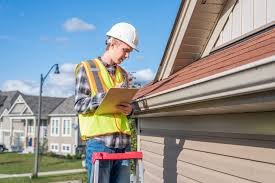
Professional evaluation is valuable because trained roofing specialists can identify conditions that may not be obvious to an inexperienced homeowner. A detailed roof inspection typically involves examining visible roofing materials, flashing, drainage areas, roof penetrations, ventilation components, and other accessible parts of the system. Professionals can recognize subtle signs of deterioration and determine whether an issue requires immediate repair or routine monitoring. They may also identify installation-related problems that could affect the long-term performance of the roof. A professional assessment can provide homeowners with a clearer understanding of the roof’s condition and help them prioritize necessary work. This is particularly helpful when several problems are present and the homeowner needs to determine which repairs are most urgent. Early identification can reduce the likelihood of extensive water damage and other complications that may develop when small problems remain unresolved. Professional evaluations also give property owners an opportunity to ask questions about expected service life, maintenance requirements, repair options, and future replacement planning. This information can make roofing decisions more predictable and financially manageable.
How Weather Conditions Affect Roof Performance
Weather is one of the primary causes of gradual roofing deterioration. Continuous exposure to sunlight can cause some roofing materials to become brittle or lose protective qualities over time. Heavy rainfall repeatedly tests the roof’s ability to direct water away from vulnerable areas, while strong winds can loosen shingles, damage flashing, or move debris across the surface. Hail and other forms of impact can create damage that may not be immediately visible from the ground. Repeated changes between hot and cold temperatures can cause roofing materials to expand and contract, placing stress on certain components and connections. Moisture can also become trapped in areas where drainage is inadequate or ventilation is poor. Even when a roof appears to be functioning normally, repeated weather exposure can gradually reduce its overall performance. After severe weather, property owners should pay attention to visible changes and arrange for professional evaluation when damage is suspected. Regular maintenance can help identify weather-related deterioration early and reduce the chance that a small weakness will become a major failure during the next storm.
Maintaining Proper Roof Ventilation
Ventilation is an important part of maintaining a healthy roofing system because it helps regulate temperature and moisture levels within attic spaces. During warm weather, inadequate ventilation can allow excessive heat to accumulate beneath the roof, potentially contributing to premature deterioration of certain materials. During colder periods, poor airflow can contribute to condensation and moisture accumulation, which may affect insulation, wood components, and other parts of the building structure. Effective ventilation generally requires a balanced system that allows fresh air to enter while warm or humid air exits through appropriate ventilation points. Blocked vents, damaged components, or improperly designed ventilation systems can reduce airflow and create conditions that negatively affect the roof. Homeowners should not assume that adding a single vent will automatically solve ventilation problems because the entire system needs to work together. Professional assessment can help identify visible ventilation concerns and determine whether improvements may be appropriate. Maintaining proper airflow can support the longevity of roofing materials while also contributing to a healthier and more comfortable interior environment.
Keeping Gutters and Downspouts in Good Condition
A reliable drainage system is essential for protecting both the roof and the rest of the property from unnecessary moisture exposure. Gutters collect water from the roof and direct it toward downspouts, which should carry that water away from the building. When gutters become clogged with leaves, dirt, branches, or other debris, water may overflow and remain against fascia boards, siding, exterior walls, and other vulnerable surfaces. In some cases, blocked drainage can also contribute to water backing up near the roof edge. Regular gutter cleaning helps maintain proper water flow and provides an opportunity to identify damaged sections or loose connections. Downspouts should also be checked to make sure water is being directed away from the foundation rather than collecting around the base of the property. Damaged gutters and poorly positioned downspouts can undermine otherwise effective roof maintenance. Keeping the drainage system clean and functional is one of the simplest ways to reduce preventable moisture-related problems. It should therefore be considered an important part of every long-term roofing maintenance plan.
Preparing for Regular Roofing Assessments
Property owners can make professional roofing assessments more useful by keeping track of problems they have noticed between appointments. Interior leaks, ceiling stains, unusual odors, visible damage, and changes in attic conditions should be documented whenever possible. Homeowners should also keep records of previous repairs, installation dates, warranty information, and any major roofing work that has already been completed. This information can help professionals understand the history of the roofing system and identify recurring issues. It is also useful to mention any severe weather events that occurred before new damage was noticed. Property owners should avoid climbing onto steep, wet, or damaged roofs because doing so can create unnecessary safety risks. Instead, visible concerns can be photographed from safe areas or described to a qualified professional. During an evaluation, homeowners can ask about the current condition of roofing materials, areas requiring attention, expected remaining service life, and recommended maintenance. Being prepared with relevant information and questions can make the evaluation more informative and help homeowners better understand their roofing needs.
Deciding Between Repairs and Replacement
One of the most important decisions homeowners may face is determining whether a damaged roof should be repaired or replaced. The answer depends on several factors, including the age of the roofing system, the extent of damage, the condition of underlying materials, the number of previous repairs, and the expected remaining service life. A roof with isolated damage may only require targeted repairs when the majority of the system remains in good condition. However, widespread deterioration, repeated leaks, extensive moisture damage, or significant structural concerns may indicate that replacement is becoming a more practical long-term solution. Homeowners should avoid deciding based solely on one visible problem because the overall condition of the roofing system is more important than an individual damaged component. Professional recommendations can help explain whether repairs are likely to provide reliable results or simply delay a replacement that will eventually become necessary. Considering both immediate costs and long-term performance can make the decision more financially sensible. The goal should always be to provide dependable protection rather than repeatedly postponing necessary work.
Benefits of Preventive Roofing Maintenance
Preventive maintenance can help reduce the frequency and severity of unexpected roofing problems. Small repairs, regular cleaning, drainage maintenance, and timely replacement of deteriorated components can all contribute to longer-lasting performance. Preventive care also gives property owners a better understanding of how their roof is aging and which areas may become problematic in the future. Keeping records of maintenance work can make it easier to identify recurring problems and plan larger projects when necessary. Regular maintenance may also reduce the likelihood of emergency repairs that can be more expensive and disruptive than planned work. Although preventive care cannot eliminate every possible roofing issue, it can reduce avoidable deterioration and improve the chances of discovering problems at an early stage. This approach is particularly valuable for older roofs that may require closer monitoring as their materials approach the end of their expected service life. A planned maintenance strategy also allows homeowners to budget for future repairs and replacement instead of being forced into rushed decisions after an unexpected failure. Investing in routine care can therefore provide both practical and financial benefits over the long term.
Selecting a Qualified Roofing Professional
Choosing a qualified professional is an important part of protecting a roofing investment. Homeowners should look for professionals who communicate clearly, provide detailed recommendations, and explain the reasoning behind proposed repairs. Written estimates should clearly describe the scope of work, materials, preparation, labor, cleanup, and any additional repairs that may be required. Property owners should be cautious about professionals who pressure them into making immediate decisions without providing enough information about the condition of the roof. It is also useful to ask about workmanship warranties, manufacturer requirements, previous experience, and maintenance recommendations. A dependable roofing professional should be willing to answer questions and explain different options in understandable terms. Comparing several qualified providers can help homeowners identify differences in pricing, materials, services, and project scope. Price is an important consideration, but it should not be the only factor used when selecting a professional. Experience, transparency, workmanship, communication, and reliability are equally important when making decisions about a major property investment.
Protecting the Roof Between Professional Visits
Homeowners can contribute to the long-term condition of their roof by monitoring visible signs of change between professional evaluations. After severe weather, it is useful to look around the property for fallen roofing materials, damaged exterior components, or other obvious signs of impact. Attic spaces can also be monitored for moisture, unusual odors, damp insulation, or unexpected daylight coming through areas that should be sealed. Gutters should remain clear, while nearby branches should be trimmed when they repeatedly touch or overhang the roof. Interior ceilings and walls should be checked for new stains or changes that could indicate moisture infiltration. However, homeowners should avoid walking across the roof unless they are properly trained and equipped to do so safely. A damaged or wet roof can create significant fall hazards, and attempting repairs without appropriate knowledge may make the problem worse. Visible concerns should instead be documented and communicated to a qualified roofing professional. Regular observation combined with professional maintenance can help identify changes early and support a longer-lasting roofing system.
Planning for Long-Term Roofing Costs
Roofing expenses are easier to manage when homeowners plan for them before major problems occur. Every roofing system eventually reaches a point where repairs or replacement become necessary, and understanding its approximate age can help property owners prepare financially. Maintenance records can provide useful information about recurring issues, previous repairs, and the overall history of the roof. Homeowners should consider setting aside funds for future repairs rather than assuming that a roof will remain problem-free indefinitely. Planning also makes it easier to compare materials and installation options when replacement becomes necessary. A rushed decision following a major leak can limit choices and create additional stress, while advance planning provides more time to evaluate suitable solutions. Property owners should consider not only the initial cost of roofing materials but also expected service life, maintenance requirements, energy performance, warranty coverage, and installation quality. Looking at the total long-term value can help homeowners choose an option that fits both their property and their budget. Financial preparation is therefore an important part of responsible roof ownership and can significantly reduce the impact of unexpected roofing expenses.
Creating a Consistent Roof Maintenance Routine
A consistent maintenance routine can help homeowners stay ahead of common roofing problems and keep track of the condition of their property. Routine tasks may include checking visible roofing materials, maintaining gutters, monitoring attic conditions, trimming nearby vegetation, and addressing minor exterior problems promptly. Professional evaluations should also be scheduled according to the age, condition, material, and maintenance needs of the roofing system. Homeowners should keep written records of inspections, repairs, replacements, and other maintenance activities so that they can identify patterns over time. These records can also be useful when discussing future repairs with roofing professionals. Regular attention does not mean that homeowners need to constantly worry about their roof, but it does mean that they should not ignore warning signs. A simple maintenance schedule can make it easier to recognize changes before they become significant problems. Consistency is especially valuable because roofing deterioration is often gradual rather than sudden. By making roof care part of the normal property maintenance routine, homeowners can protect their investment and reduce the likelihood of costly surprises.
Final Thoughts on Protecting Your Roofing Investment
A well-maintained roof provides essential protection against weather, moisture, and other conditions that can affect the structure and comfort of a property. Regular maintenance, proper drainage, adequate ventilation, and timely repairs all contribute to stronger long-term performance. Professional evaluations can reveal developing concerns that may not be obvious from the ground and can help homeowners determine the most appropriate course of action. A roof inspection can also provide useful guidance when deciding whether a roofing system needs minor repairs, ongoing maintenance, restoration, or eventual replacement. Taking action before a small issue becomes a major failure can significantly reduce repair costs and minimize disruption to the property. Homeowners who keep maintenance records, monitor warning signs, and work with qualified professionals are better prepared to manage the condition of their roofing system. Investing in preventive care also allows property owners to plan financially instead of facing unexpected expenses after serious damage occurs. Ultimately, a proactive approach to roofing maintenance protects both the property and the investment made in it. Consistent care, professional attention, and informed decision-making can help a roofing system remain dependable and effective for many years.