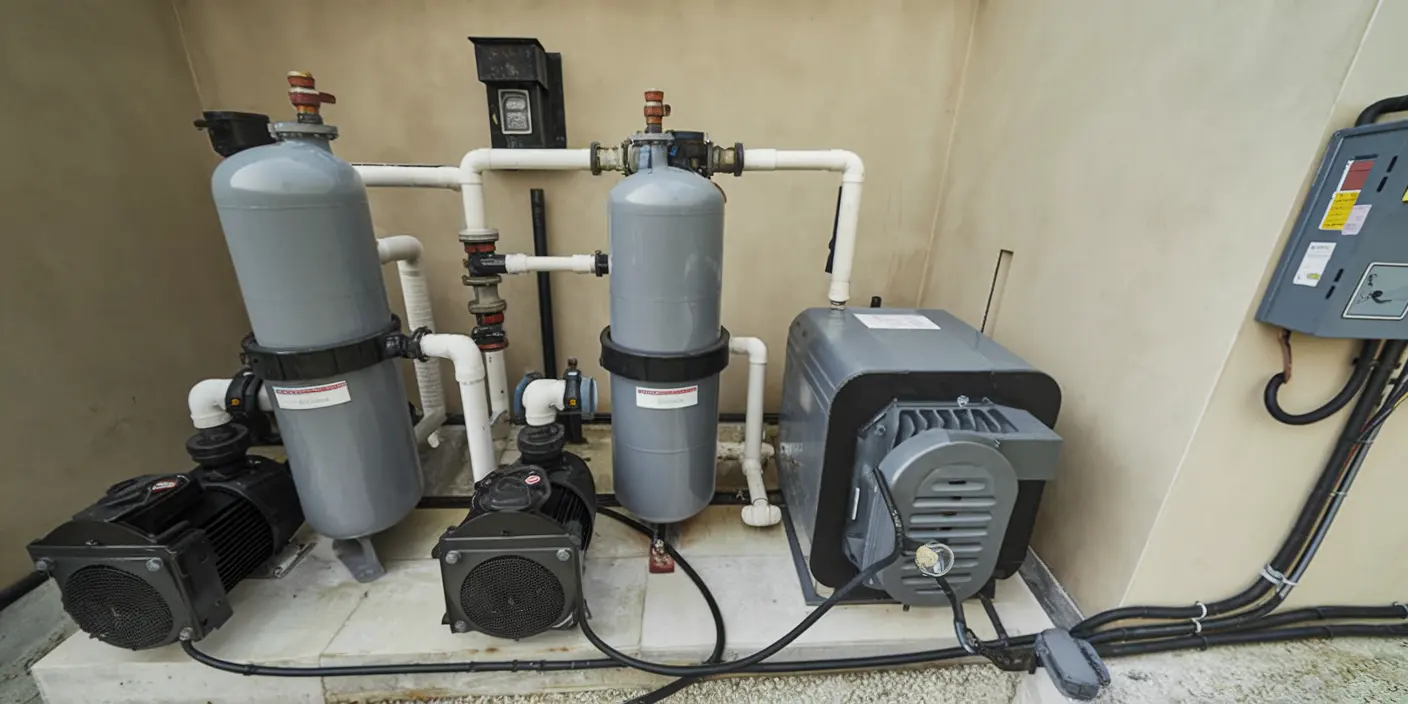
Your pool heat pumps should deliver consistent warmth throughout Perth’s cooler months. When heating performance disappoints, most homeowners assume the heating equipment has failed. Often, the actual culprit is overlooked entirely: your pool pumps.
This troubleshooting guide explains why poor pump performance sabotages even premium heating systems and how to diagnose where your problem actually lives.
The Circulation Foundation Problem
Pool heat pumps require adequate water circulation to function effectively. Your pump moves water from the pool through filtration, then through the heating system, then back to your pool. Weak circulation means weak heat transfer.
Undersized or inadequately maintained pumps create heating performance issues that no amount of heating equipment tweaking fixes. You’re essentially trying to heat water that isn’t flowing properly through your heating system.
A common scenario: homeowner installs a quality heat pump then complains about slow heating or inconsistent temperatures. Professional assessment reveals the pump is undersized for the pool volume or running at reduced capacity due to maintenance neglect.
The Flow Rate Mismatch
Heat pumps need specific flow rates for optimal performance. Too much flow and water rushes through heating equipment without absorbing adequate heat. Too little flow and the system can’t transfer warmth efficiently.
Most Perth installers size pumps based purely on filtration requirements, completely ignoring heating needs. This creates efficiency gaps where your heat pump works harder for mediocre results.
Testing actual flow rate through your heating system reveals whether circulation matches heating requirements. Professional flow testing takes minutes but identifies whether your heating problem stems from inadequate circulation or actual heating equipment failure.
The Inadequate Runtime Issue
Pools need minimum daily pump operation for effective heating. Reducing pump hours to save electricity without adjusting heating strategy backfires spectacularly.
If your pump runs four hours daily but your heating cycle needs six hours for adequate circulation, you’re creating a bottleneck. Your heat pump can’t maintain proper temperature because water isn’t circulating long enough for heat transfer to complete.
Many families discover they’re saving a few dollars on pump electricity while spending significantly more on heating electricity because systems run inefficiently. The math works against shortened pump operation.
Dead Zone Creation
Poor pump positioning and inadequate circulation create cold spots throughout your pool. Heated water concentrates near return jets while distant areas stay cold.
Large pools especially suffer from single-return jet positioning. Water returns at one location while opposite ends receive no heated water. Your heat pump is technically working but circulating heated water creates uneven temperature distribution.
Adding return jets or improving circulation patterns solves what seems like heating inadequacy but is actually distribution failure.
Maintenance Neglect Impacts
Clogged pump baskets restrict flow. Dirty filters increase backpressure. Worn bearings reduce output capacity. These maintenance issues degrade gradually, creating invisible performance loss that appears as higher heating bills and disappointing results.
Most Perth pool owners maintain pumps poorly compared to other equipment. Skipped maintenance becomes expensive when it sabotages your heating investment.
Identifying the Actual Problem
Before assuming your heat pump has failed, diagnose whether poor performance stems from inadequate circulation.
Check your filter pressure gauge. High pressure indicates overdue filter cleaning restricting flow. Backwash the filter and retest heating performance. Improved flow often solves apparent heating problems immediately.
Inspect your pump basket. Debris accumulation reduces suction. Clean it thoroughly and test heating again.
Feel water temperature at different pool locations. Uneven temperatures suggest distribution problems, not heating equipment failure.
Listen to your pump. Squealing or grinding indicates bearing wear requiring attention. Excessive vibration suggests mounting issues or impeller damage.
The Integration Reality
Quality heating systems depend on quality circulation. Undersized, undermaintained, or poorly positioned pumps undermine even premium heat pump equipment.
Proper pool heating requires:
Pump capacity matched to pool volume and heating requirements. Adequate daily runtime during heating season. Multiple return jets for large pools. Regular maintenance preventing degradation. Variable speed options for efficiency optimization.
These pump fundamentals matter more than which heating brand you choose.
The Diagnostic Path
Before spending money on heating equipment replacement, eliminate pump-related issues through proper diagnosis. Professional assessment measures actual flow rates, identifies maintenance problems, and determines whether heating equipment or circulation is your real bottleneck.
Often, modest pump improvements—better maintenance, adjusted settings, or strategic positioning changes—solve heating performance issues without equipment replacement.
Your pool heat pump is only as effective as your pump allows. Optimize your circulation and your heating transforms from disappointing to excellent.