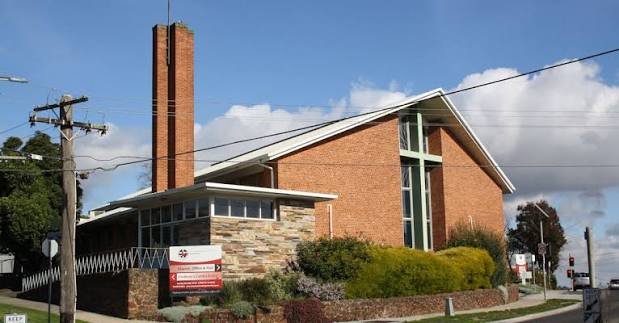
A local church can become more than a place for weekly worship.
It can bring neighbours together and create meaningful connections.
Church in Ringwood can provide a welcoming space for people to gather, build relationships, and participate in community life.
Creating a Welcoming Community Atmosphere
A genuine community gathering point starts with hospitality. People are more likely to return when they feel noticed, respected, and comfortable from the moment they arrive.
Simple actions such as greeting visitors, introducing newcomers to others, and providing friendly spaces for conversation can make a lasting impression. A welcoming environment helps remove the uncertainty that someone may feel when visiting a church for the first time.
Over time, consistent hospitality can transform unfamiliar visitors into active members of the wider community.
Bringing People Together Beyond Worship
Weekly services are an important part of church life, but strong community relationships often develop outside formal worship.
Social gatherings, shared meals, discussion groups, family activities, and community programs provide opportunities for people to interact in more relaxed settings.
These repeated interactions allow neighbours to become friends and give individuals opportunities to discover common interests. A person who initially attends one event may eventually become involved in several activities simply because they have developed meaningful connections.
Supporting Different Generations
A thriving local community should create opportunities for people of different ages to interact.
Children, teenagers, young adults, parents, and older residents can all contribute something valuable. Intergenerational activities can encourage people to share experiences, skills, stories, and perspectives.
For older residents, these connections can provide companionship and reduce isolation. Younger people can benefit from guidance and experience while also bringing creativity and enthusiasm to community activities.
Creating Opportunities for Families
Families often look for places where they can spend time together while developing relationships with other local families.
Children’s activities, family gatherings, youth programs, educational sessions, and social events can make a church more accessible to parents and young people.
When families become familiar with one another, children can develop friendships while parents gain their own support network.
Responding to Local Needs
A church can become a meaningful part of neighbourhood life by paying attention to the needs of people around it.
Community members may face financial difficulties, loneliness, family challenges, or other circumstances that make everyday life difficult. While a church cannot solve every problem, it can offer encouragement, practical assistance, and connections to relevant support services.
Food drives, donation campaigns, charitable initiatives, and outreach programs can provide practical help while demonstrating genuine concern for the wider community.
Providing a Place for Meaningful Conversations
Modern life can sometimes leave people with limited opportunities for genuine face-to-face conversations.
A church can provide an environment where people feel comfortable talking, listening, and sharing experiences. Small groups and informal gatherings can encourage deeper conversations than those that typically happen during busy everyday routines.
These interactions can help people feel heard and understood, particularly when they are going through challenging periods.
Hosting Community Events
Community events can help a church connect with residents who may not regularly attend worship services.
Depending on available facilities, churches can host workshops, fundraising events, children’s activities, music programs, educational sessions, social gatherings, and other suitable events.
Such activities create a relaxed environment where people can meet others and discover shared interests. They can also introduce new residents to the church without requiring them to make a long-term commitment immediately.
Encouraging Volunteer Participation
Volunteering is another powerful way to strengthen community relationships.
People who work together toward a shared goal often develop strong connections naturally. Church volunteers may assist with food collections, community events, children’s programs, fundraising, administration, or local outreach.
Giving people meaningful responsibilities can also help them feel valued. Instead of simply attending an activity, they become part of creating it.
Making Use of Local Skills
Every community contains people with different abilities and experiences. Someone may have skills in teaching, cooking, photography, music, administration, technology, gardening, or event planning.
Encouraging residents to contribute these skills can make community programs more diverse while giving individuals a meaningful way to participate.
Welcoming New Residents
Moving into a new area can be challenging, especially when someone has not yet developed friendships or connections.
A local church can provide an accessible place for newcomers to meet people and discover activities in their neighbourhood.
Social events, volunteer opportunities, family programs, and small groups can help new residents gradually develop relationships and become more comfortable in their surroundings.
Making Communication Accessible
Even the best community activities will struggle to attract people if residents do not know about them.
Clear communication through newsletters, websites, social media, email updates, and community notices can make upcoming activities easier to discover.
Information should explain what an event involves, when it takes place, who can attend, and how people can participate. This is especially helpful for newcomers who may be unfamiliar with the church.
Creating Comfortable Physical Spaces
The physical environment can influence how people interact.
Comfortable gathering areas, accessible facilities, welcoming entrances, and spaces designed for conversation can encourage people to stay after an event instead of immediately leaving.
Informal conversations often become the foundation of long-term relationships, so creating places where people can sit, talk, and connect can be surprisingly valuable.
Building Trust Through Consistency
A genuine community gathering point cannot be created through one successful event. Trust develops through repeated and reliable involvement.
When a church consistently organizes activities, welcomes newcomers, supports local initiatives, and remains available to its community, people begin to recognize it as a dependable presence.
That consistency helps build familiarity and encourages residents to become more involved over time.
Giving People a Sense of Belonging
People often seek places where they feel that they matter. A church can help create this sense of belonging by encouraging participation rather than simply focusing on attendance.
Inviting people to contribute ideas, volunteer, join groups, attend events, and develop friendships can make them feel personally connected to the community.
Belonging develops when people know that their presence and contribution are appreciated.
Connecting Faith With Community Service
For many churches, community service provides a practical way to express their values.
Helping others, supporting charitable initiatives, visiting people who may be isolated, and participating in local projects can demonstrate that the church is interested in the wellbeing of the wider neighbourhood.
When service becomes a regular part of church life, it can strengthen relationships between the congregation and surrounding residents.
Becoming a Lasting Neighbourhood Presence
A local church becomes a genuine gathering point when people see it as more than a building or a weekly destination.
It becomes a place where neighbours can meet, families can connect, volunteers can contribute, newcomers can find friendships, and people can receive encouragement during difficult times.
Creating this kind of community takes consistency, openness, and genuine care. Through welcoming practices, meaningful activities, practical service, and strong relationships, a local church can gradually become a trusted and valued part of neighbourhood life.
Ultimately, the strength of a community comes from the relationships between its people. When a church creates regular opportunities for those relationships to grow, it can become a place where people do not simply gather—they connect, contribute, and develop a lasting sense of belonging.