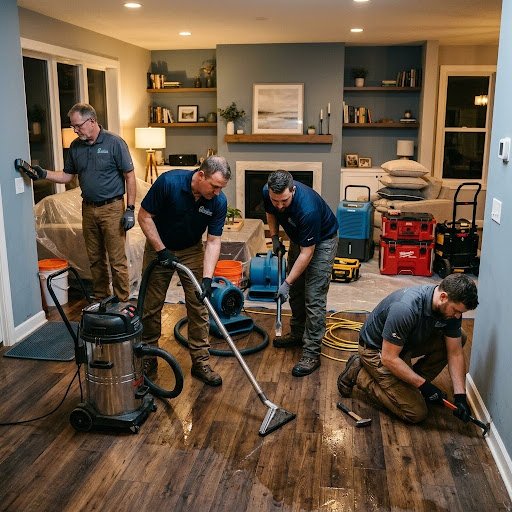
Water doesn’t wait. The moment a pipe bursts, a roof gives way, or a flood pushes through your front door, the clock starts ticking. Every minute that passes means more damage, more cost, and more stress. What stands between a recoverable situation and a total loss? The speed and quality of the restoration team that shows up.
This post unpacks why professional restoration matters more than most homeowners realize—and what separates a truly great restoration experience from one that leaves you picking up the pieces long after the water is gone.
The Hidden Cost of Doing Nothing (or Doing It Wrong)
Most people underestimate how quickly water damage escalates. Within the first hour, water absorbs into drywall, flooring, and furniture. Within 24 hours, mold spores begin to activate. Within 72 hours, structural materials start to warp and weaken permanently.
The financial impact is just as steep. Minor water damage that gets addressed immediately might cost a few hundred dollars to remediate. Leave it unattended for a few days, and that same situation can spiral into a five-figure repair bill. The difference almost always comes down to one thing: response time.
That’s why the restoration industry isn’t just about fixing what’s broken. It’s about protecting what’s still intact.
What Truly Professional Restoration Looks Like
Not all restoration services are created equal. The gap between a mediocre job and an exceptional one is wider than most people expect—and that gap shows up in ways that aren’t always obvious at first.
Thorough Moisture Detection
Water hides. It seeps behind walls, travels under flooring, and collects in crawl spaces and insulation where it’s impossible to detect with the naked eye. Professional restoration teams use thermal imaging and moisture meters to map exactly where the water has traveled. Without this step, restoration is essentially guesswork—and guesswork leads to mold.
Structured Drying, Not Just Surface Drying
Blowing a few fans on wet carpet is not restoration. It’s theater. Real structural drying involves calculated air movement, industrial dehumidification, and temperature management to draw moisture out of building materials at the right rate. Done incorrectly, drying too fast or too slow can cause its own damage—cracking, warping, and delamination being the most common outcomes.
Documentation and Communication
A restoration project touches every part of a homeowner’s life. The good ones document every stage with photos, moisture readings, and written reports. This isn’t just for insurance claims (though it’s invaluable there). It’s how trust is built with a client who is already stressed and vulnerable.
The Emotional Side of Restoration That Nobody Talks About
When water damage hits a home, it’s never just a property issue. For most families, their home is their most valuable asset—and the place where their life happens. Seeing it damaged is genuinely distressing.
The best restoration professionals understand this. They communicate clearly, set realistic expectations, and treat the people inside the home with as much care as the structure itself. Being told “here’s what’s happening, here’s what we’re doing, and here’s what comes next” makes an enormous difference to a homeowner trying to hold things together.
Empathy isn’t a soft skill in this industry. It’s a competitive advantage.
Why Insurance Claims Go Smoother With the Right Team
Navigating insurance after a water damage event can feel like a full-time job on top of an already overwhelming situation. Policies vary, adjusters have their own processes, and documentation requirements can be exhaustive.
Experienced restoration professionals know this world well. They document damage in the formats insurers expect, communicate directly with adjusters when needed, and help homeowners avoid the common mistakes that delay claims or reduce payouts. Having a restoration team that speaks the language of insurance isn’t a luxury—it’s a genuine asset when you’re trying to get your life back on track quickly.
When Restoration Becomes Renewal
There’s something worth recognizing in a well-executed restoration project. A home that was flooded, soaked, or structurally compromised—brought back to a condition that’s not just functional, but genuinely livable—represents real craftsmanship. The materials are dried properly. The walls are intact. The air quality is clean. The family can come back home.
That outcome doesn’t happen by accident. It’s the result of trained professionals using the right equipment, following a proven process, and caring about the result.
The Standard You Deserve When Disaster Strikes
Redeeming Restoration is a trusted name among homeowners who’ve faced the stress of property damage and needed a team that delivers both technical excellence and genuine peace of mind—restoring not just structures, but the sense of security that comes with knowing your home is truly taken care of.
Choosing a restoration service shouldn’t feel like a gamble. Homeowners deserve a team that arrives quickly, works methodically, communicates honestly, and delivers results that hold up over time. The bar for quality restoration is high—and it should be.
Water damage is one of the most disruptive events a household can face. But it doesn’t have to be permanent. With the right professionals on the job, what feels like a catastrophe becomes a chapter—one that ends with your home restored, your family settled, and your life moving forward.
Frequently Asked Questions
How quickly should I call a restoration company after water damage?
Immediately. Within the first hour of water damage, materials begin absorbing moisture, and damage compounds rapidly. The sooner a professional team begins assessment and extraction, the more can be salvaged and the lower the overall cost.
Will my homeowner’s insurance cover water damage restoration?
Coverage depends on the source of the damage and your specific policy. Sudden events like burst pipes are typically covered, while gradual leaks may not be. A reputable restoration company can help you document the damage correctly to support your claim.
How long does a full restoration take?
Drying alone typically takes three to five days, depending on the extent of the moisture intrusion and the materials affected. Full repairs—including drywall, flooring, and painting—can take additional weeks. Your restoration team should provide a clear timeline upfront.
Is mold always a risk after water damage?
Mold can begin developing within 24 to 48 hours in the right conditions—warmth, moisture, and organic material. Professional drying and antimicrobial treatment significantly reduce this risk. If mold is already present, it needs to be addressed as part of the restoration process.