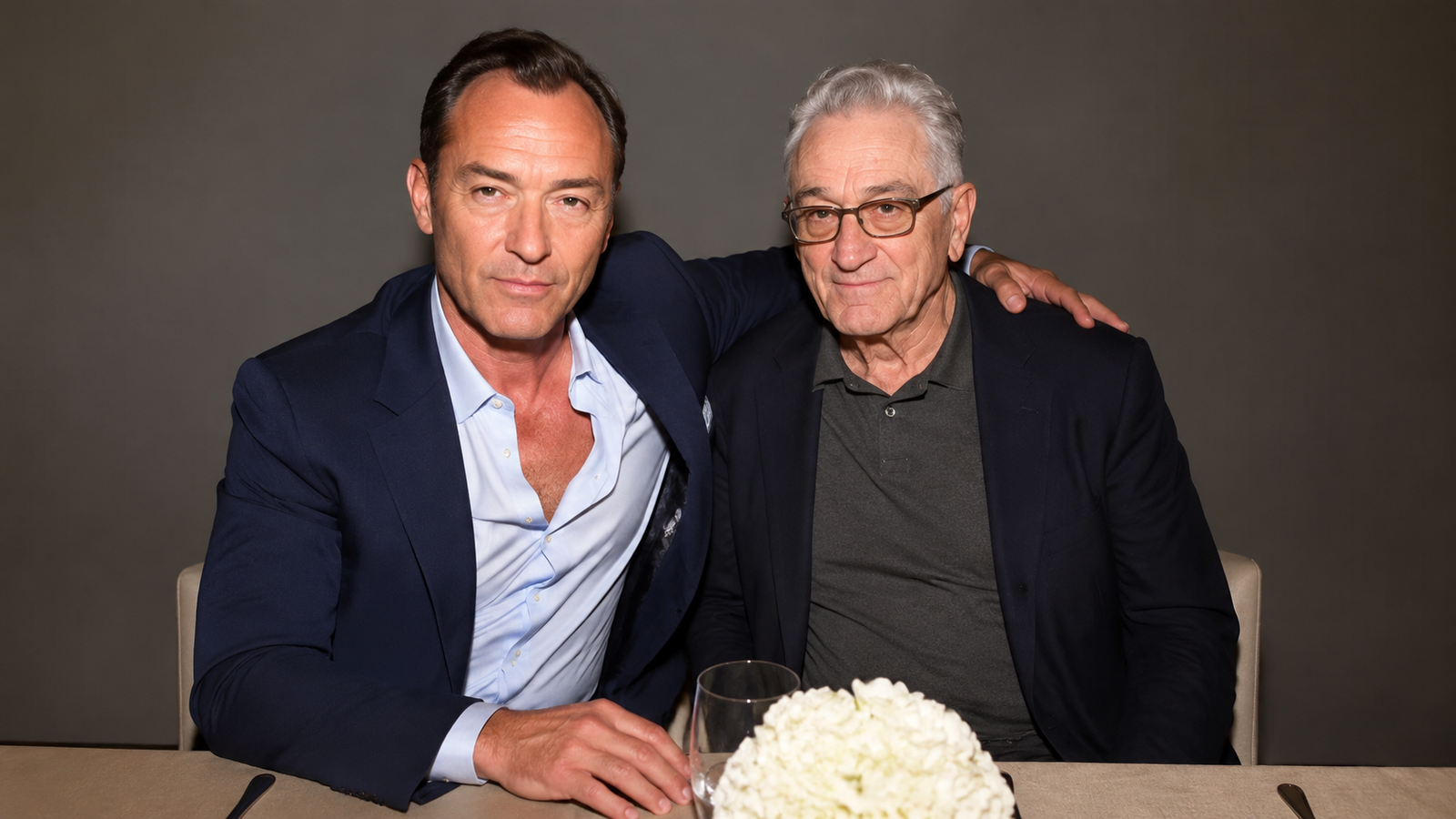
New York City has always been shaped by individuals who transform its skyline, neighborhoods, and cultural identity. Among the most recognized names associated with the city’s evolution are Jerry Speyer and Robert De Niro. Although they come from completely different industries, both have played influential roles in defining modern New York. Jerry Speyer became one of America’s most powerful real estate developers through landmark projects and commercial developments, while Robert De Niro became a global cinema legend and an entrepreneur who contributed to the revitalization of Manhattan’s Tribeca neighborhood.
The story of Jerry Speyer and Robert De Niro represents two different forms of influence. Speyer changed New York through buildings, investments, and urban development, while De Niro influenced the city through film, hospitality, and cultural projects. Their names are often connected because both represent the ambition, creativity, and entrepreneurial spirit that define New York City.
Quick Biography of Jerry Speyer and Robert De Niro
| Name | Jerry Speyer | Robert De Niro |
|---|---|---|
| Full Name | Jerry I. Speyer | Robert Anthony De Niro Jr. |
| Birth Year | 1940 | 1943 |
| Profession | Real Estate Developer, Businessman | Actor, Producer, Entrepreneur |
| Famous For | Co-founder of Tishman Speyer and major real estate projects | Academy Award-winning actor and founder of Tribeca Film Festival |
| Main Industry | Commercial Real Estate | Film, Entertainment, Hospitality |
| Major Location Influence | New York City skyline and business districts | Tribeca neighborhood and New York film culture |
| Notable Achievement | Development and ownership of iconic properties | Legendary performances and cultural entrepreneurship |
Jerry Speyer: The Real Estate Visionary Behind New York’s Skyline
Jerry Speyer is widely regarded as one of the most influential real estate developers in the United States. Born in Milwaukee in 1940, Speyer developed an interest in business and real estate at an early age. He later became the co-founder of Tishman Speyer, a global real estate company that transformed commercial property development across major cities worldwide.
Through Tishman Speyer, Jerry Speyer became associated with some of the most recognizable buildings and developments in New York and beyond. His career demonstrates how strategic investment, long-term planning, and urban development can reshape entire neighborhoods. Rather than focusing only on individual buildings, Speyer’s approach emphasized creating valuable business environments where companies, workers, and communities could grow.
One of Jerry Speyer’s most notable achievements was his involvement with Rockefeller Center, one of New York City’s most famous landmarks. The property represents the importance of preserving historic buildings while adapting them for modern business needs. Speyer’s leadership in real estate demonstrated how older urban spaces could be transformed into profitable and sustainable developments.
Jerry Speyer and Tishman Speyer’s Global Real Estate Influence
The success of Tishman Speyer made Jerry Speyer a major figure in international real estate. The company expanded beyond New York and developed commercial properties in cities around the world. Its portfolio includes office buildings, mixed-use developments, and urban projects designed for multinational companies and modern workplaces.
Jerry Speyer’s real estate philosophy focused on location, quality, and long-term value. He understood that successful real estate development requires more than constructing buildings. It requires understanding economic trends, business needs, and the changing lifestyle of urban populations.
His influence on commercial real estate extends beyond ownership and development. Jerry Speyer became recognized as a leader who helped shape how cities function. Through strategic property management and redevelopment, he contributed to the transformation of business districts and metropolitan areas.
Robert De Niro: A Hollywood Legend With Deep New York Roots
Robert De Niro is one of the most respected actors in the history of American cinema. Born in New York City in 1943, De Niro grew up surrounded by the artistic energy of Manhattan. His career developed through collaborations with legendary filmmakers and his dedication to realistic, powerful performances.
De Niro gained worldwide recognition through films such as Taxi Driver, Raging Bull, The Godfather Part II, and Goodfellas. His acting style, commitment to character development, and ability to portray complex personalities established him as one of the greatest actors of his generation.
Beyond acting, Robert De Niro became an entrepreneur and cultural figure. He invested in businesses connected to hospitality, entertainment, and New York’s creative community. His work demonstrates that his influence extends beyond Hollywood into the economic and cultural development of the city he calls home.
Robert De Niro’s Role in Transforming Tribeca
One of Robert De Niro’s most significant contributions to New York was his involvement in the transformation of Tribeca. The neighborhood, once known primarily as an industrial area, gradually became one of Manhattan’s most desirable cultural and residential communities.
De Niro played an important role in promoting Tribeca as a destination for film, restaurants, and creative businesses. Through Tribeca Productions and the creation of the Tribeca Film Festival, he helped establish the neighborhood as an international center for cinema and artistic expression.
The Tribeca Film Festival became a major cultural event that attracted filmmakers, celebrities, and audiences from around the world. It reflected De Niro’s belief that film could contribute to community development and economic growth.
Jerry Speyer and Robert De Niro: Different Paths, Similar Impact
Although Jerry Speyer and Robert De Niro built their careers in different industries, both influenced New York City in remarkable ways. Speyer’s contribution came through real estate development, while De Niro’s contribution came through entertainment, hospitality, and cultural investment.
Jerry Speyer focused on the physical structure of the city. His work involved office towers, commercial properties, and large-scale developments that supported businesses and economic activity. Robert De Niro focused on the cultural side of the city, helping create spaces where artists, filmmakers, and communities could connect.
Their careers highlight two important elements of urban success: infrastructure and identity. A city needs strong buildings and economic foundations, but it also needs culture, creativity, and community. Jerry Speyer and Robert De Niro represent these two complementary forces.
New York City Influence of Jerry Speyer and Robert De Niro
The influence of Jerry Speyer and Robert De Niro reflects the broader story of New York City’s transformation. Over decades, New York has evolved through the contributions of entrepreneurs, artists, investors, and community leaders.
Jerry Speyer helped strengthen New York’s position as a global business center. His real estate projects provided spaces for companies, financial institutions, and organizations that contribute to the city’s economy.
Robert De Niro strengthened New York’s reputation as a global cultural capital. His connection with Tribeca showed how entertainment and creative industries can contribute to neighborhood renewal and economic development.
Together, their stories demonstrate that city transformation does not happen through one industry alone. Real estate, culture, tourism, and entrepreneurship all contribute to building a successful urban environment.
Business Lessons From Jerry Speyer and Robert De Niro
The careers of Jerry Speyer and Robert De Niro provide valuable lessons for entrepreneurs and business leaders. One major lesson is the importance of investing in long-term vision rather than focusing only on immediate success.
Jerry Speyer built his reputation by identifying opportunities in real estate and creating lasting value through strategic development. His career shows the importance of patience, planning, and understanding market trends.
Robert De Niro’s journey demonstrates the value of expanding beyond a single profession. While he became famous as an actor, he also explored entrepreneurship, hospitality, and cultural projects. His career shows how personal passion and business strategy can work together.
Legacy of Jerry Speyer and Robert De Niro
The legacy of Jerry Speyer and Robert De Niro continues to influence New York and beyond. Speyer’s impact can be seen in commercial properties and urban developments that continue to serve businesses and communities.
De Niro’s legacy exists through his films, cultural institutions, and contributions to Tribeca. His work helped demonstrate that artists can play an important role in economic and social development.
Both individuals represent different versions of success. Jerry Speyer represents the power of real estate innovation and urban investment. Robert De Niro represents the power of creativity, storytelling, and cultural leadership.
Conclusion
The story of Jerry Speyer and Robert De Niro is a story of two influential personalities who shaped New York from different directions. Jerry Speyer transformed the city’s physical landscape through real estate development, while Robert De Niro transformed its cultural landscape through film and entrepreneurship.
Their achievements prove that influence is not limited to one industry. Whether through buildings, businesses, movies, or community projects, individuals can leave a lasting mark on society. Jerry Speyer and Robert De Niro remain examples of how vision, dedication, and creativity can help define the identity of one of the world’s greatest cities.