Key Takeaways
- Choose one main skyline viewpoint instead of chasing distant views across the city.
- Build the day around a single neighborhood, with time for food, walking, weather, and transit.
- Late afternoon through blue hour often gives the most varied skyline experience.
- Check visibility, service changes, and local events again on the morning of your visit.
- Leave room for a slower pace, because the best New York views are easier to enjoy when you are not rushing.
Table of Contents
- Why Skyline Days Often Feel Rushed
- Choose A Main Viewpoint
- Pick The Best Time Of Day
- Build A Route By Neighborhood
- Plan For Weather And Visibility
- Use Transit And Walking Time Wisely
- Prepare for Events And Street Changes
- Pack For Comfort
- Try A Simple Skyline Day Schedule
- Common Planning Mistakes To Avoid
- Final Checklist
- Conclusion
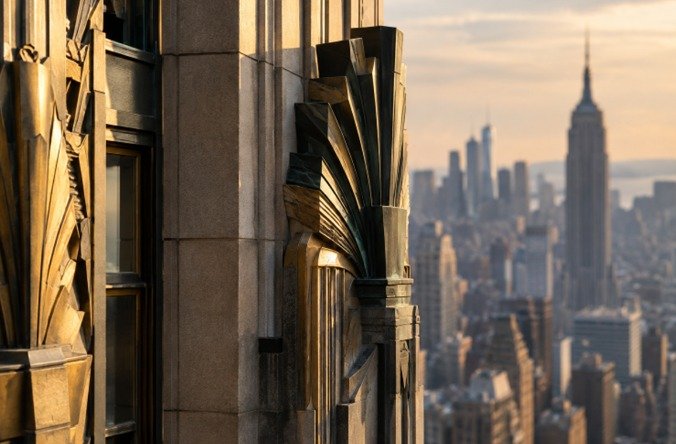
A great New York City skyline day does not need an overloaded checklist. It needs a clear center of gravity, a realistic route, and enough open time to notice the details that make Manhattan memorable, from Art Deco towers and river light to the changing colors above the streets. If an elevated Midtown perspective is your priority, review tickets, access details, and visitor guidance through https://www.esbnyc.com/visit before building the rest of the day around it.
New York rewards flexible planning. Sidewalks can be crowded, a quick subway transfer can take longer than expected, and bright sunshine does not always mean crisp long-distance visibility. A relaxed itinerary with one signature view and a few nearby experiences will usually feel more satisfying than a race between every famous observation deck, bridge, and waterfront.
1. Why Skyline Days Often Feel Rushed
The usual problem is not a lack of things to do. It is trying to fit too many far-apart things into one day. Crossing from Midtown to Lower Manhattan, then over to Brooklyn and back again can turn an otherwise enjoyable visit into a series of station entrances, crowded sidewalks, and hurried meals. Security lines, restroom breaks, elevator waits, and finding the right subway exit all deserve time in the plan.
Pick one part of the city and stay close to it. For example, a Midtown-centered day can include architectural walking, a museum or indoor exhibit, a skyline visit, and dinner without requiring repeated long rides.
2. Choose A Main Viewpoint
Select your primary viewpoint before adding anything else. Elevated observatories work well for visitors who want a broad sense of the city’s scale. Waterfront locations offer more room to watch ferries, bridges, and the skyline from a distance. Bridge walks create a moving perspective, while street-level views reveal the texture of the neighborhoods beneath the towers.
Your choice should reflect your goal. Photographers may prefer changing light and an unobstructed horizon. Families may value simple access, indoor exhibits, and places to sit. Travelers planning a relaxed evening may prefer a riverfront walk followed by dinner. Once the main view is chosen, add no more than two nearby stops.
3. Pick The Best Time Of Day
- Early morning: Often feels calmer, with cooler temperatures and gentler light.
- Midday: Can make building details easier to see, although glare and heat may be stronger.
- Late afternoon: Gives you daylight for walking and a chance to stay as the city changes color.
- Sunset and blue hour: Bring warm tones, then deepening skies and illuminated windows, but popular locations can be busier.
- Night: Suits visitors who enjoy bright avenues, reflective glass, and the energy of the city after dark.
4. Build A Route By Neighborhood
Group the day geographically. Start near breakfast or coffee, include one indoor stop in case you need a break, and keep the main skyline visit close to the best light window. Finish nearby rather than treating dinner as another cross-town mission.
Route Styles That Keep Travel Simple
- Midtown: Architecture, indoor culture, busy avenues, and an evening city view.
- Lower Manhattan: Historic streets, harbor scenery, and waterfront walking.
- West Side: Parks, public spaces, and a sunset-oriented route.
- Brooklyn-facing: River paths, bridges, and wide Manhattan perspectives.
5. Plan For Weather And Visibility
Temperature alone does not tell you whether the skyline will look its best. Check cloud cover, rain, wind, humidity, and air quality. A sunny day may still look hazy in the distance, while a clear, breezy day can create sharper views. Recheck conditions on the morning of your visit and keep one indoor option close by if rain or low clouds arrive.
6. Use Transit And Walking Time Wisely
Map distance is not the same as travel time in New York. A short ride can involve stairs, a lengthy passageway, a crowded platform, or an exit that puts you on the wrong side of a broad avenue. Save tickets, addresses, and directions on your phone before leaving your hotel. Before each major move, check the planned service changes that may affect your travel so a disruption does not derail the schedule.
7. Prepare for Events And Street Changes
Parades, races, demonstrations, major games, and seasonal street programs can change crowd patterns and access with little relevance to an older travel guide. Before committing to timed tickets or a tightly coordinated dinner reservation, look through upcoming public events in the city. On especially busy days, start earlier, walk more than expected, and avoid scheduling a second must-do activity immediately after your main viewpoint.
8. Pack For Comfort
- Supportive walking shoes and a light layer for wind.
- Sunglasses, sunscreen, water, and a compact snack.
- A portable phone charger for maps, tickets, and photos.
- A small rain jacket or umbrella when the forecast is uncertain.
- A compact bag that is easy to carry through crowds and security areas.
9. Try A Simple Skyline Day Schedule
- Morning: Coffee and a short architectural walk.
- Late morning: An indoor cultural or historic stop.
- Lunch: Eat near your main route.
- Afternoon: Take a slower neighborhood or park walk.
- Late afternoon: Arrive early for the main skyline experience.
- Evening: Stay nearby for dinner and a street-level view.
10. Common Planning Mistakes To Avoid
- Trying to see several distant skyline viewpoints in one day.
- Booking sunset without checking the forecast.
- Leaving no margin for food, restrooms, elevator queues, or transit delays.
- Ignoring stronger winds and cooler temperatures at higher elevations.
- Relying on old opening hours, event notices, or subway advice.
11. Final Checklist
- Confirm your address, entry time, and ticket details.
- Check the forecast, visibility, events, and transit status.
- Charge your phone and camera, then save key information offline.
- Wear comfortable shoes and carry only what you will use.
- Protect at least one flexible hour in the day.
Conclusion
The best New York City skyline day is built around smart pacing, not maximum mileage. Choose one strong viewpoint, stay within a practical neighborhood radius, prepare for weather and transit, and leave room to pause when the light changes. In a city that always offers one more place to go, the most memorable plan is often the one that gives you time to stop, look up, and enjoy where you already are.