Introduction
Repmold is an emerging concept associated with modern mold creation, replication, and advanced manufacturing techniques. The term represents a combination of precision engineering, digital design, rapid prototyping, and efficient production methods that help industries create accurate molds with improved speed and flexibility. In traditional manufacturing, mold development often requires long preparation times, expensive tooling processes, and multiple physical tests before achieving the desired result. Repmold introduces a more advanced approach by integrating digital technologies with manufacturing processes to improve productivity and reduce development challenges.
The importance of Repmold is growing because industries are continuously searching for faster and more cost-effective production solutions. From automotive components and consumer products to medical devices and industrial equipment, manufacturers need methods that allow them to create customized designs while maintaining high quality. Repmold represents the shift toward smarter manufacturing where digital models, automation, and advanced materials work together to create better production outcomes.
What is Repmold?
Repmold refers to an advanced mold development and replication approach that focuses on creating precise molds through modern engineering processes. It combines computer-aided design (CAD), computer-controlled manufacturing, simulation technologies, and rapid prototyping techniques to produce molds with high accuracy. Instead of depending entirely on traditional manual methods, Repmold uses digital workflows that allow designers and engineers to develop, modify, and optimize molds before physical production begins.
The basic idea behind Repmold is improving the efficiency of mold manufacturing. A digital model can be adjusted quickly, tested through simulations, and converted into a physical mold using advanced manufacturing equipment. This reduces production delays and allows manufacturers to respond faster to market demands. Repmold is especially valuable in industries where precision, customization, and shorter development cycles are important.
The Evolution of Mold Manufacturing and Repmold Technology
Traditional mold manufacturing has played a critical role in industrial production for decades. Conventional methods usually involve skilled craftsmen, machining processes, and repeated testing cycles. Although these techniques can produce high-quality results, they often require significant time, labor, and financial investment. Any design change may require additional machining work, increasing both cost and production time.
Repmold represents the evolution of mold manufacturing toward a digital and automated future. With improvements in CAD software, 3D modeling, artificial intelligence, and computer-controlled machinery, manufacturers can now create more complex mold designs with greater efficiency. This transformation reflects the broader movement toward Industry 4.0, where smart technologies improve manufacturing performance and decision-making.
How Repmold Works
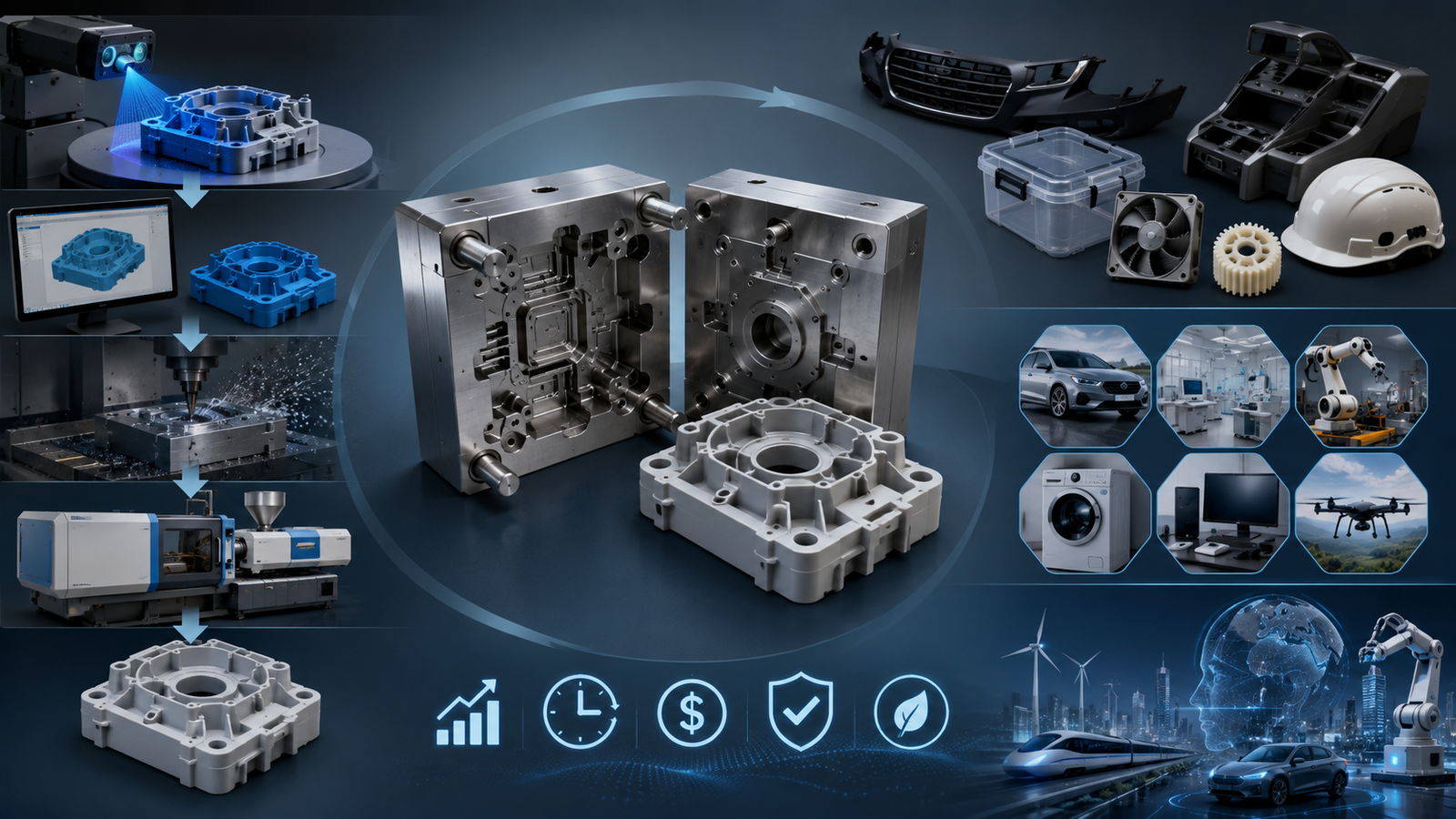
The Repmold process begins with digital design and engineering. Engineers create a detailed three-dimensional model of the required mold using CAD software. This digital representation contains information about dimensions, shapes, structures, and manufacturing requirements. The digital model becomes the foundation for the entire production process.
After the design stage, simulation and analysis tools can be used to evaluate the mold performance. Engineers can examine possible problems such as material flow, structural weakness, cooling efficiency, or production limitations before creating the physical mold. This virtual testing process reduces errors and helps optimize the final design.
Once the design is approved, advanced manufacturing methods such as CNC machining, additive manufacturing, or other automated production systems can be used to create the mold. The final mold can then be tested, adjusted, and prepared for mass production. This complete digital-to-physical workflow is one of the key characteristics of Repmold technology.
Key Features of Repmold
One of the most important features of Repmold is precision manufacturing. Digital design systems allow manufacturers to create molds with highly accurate measurements and complex geometries. This level of precision is essential for industries where even small errors can affect product quality and performance.
Another major feature of Repmold is flexibility. Traditional molds can be expensive and difficult to modify after production begins. With Repmold, digital designs can be changed quickly, allowing manufacturers to create updated versions without completely restarting the process. This flexibility supports product innovation and customization.
Repmold also focuses on faster production cycles. By combining digital modeling, simulation, and automated manufacturing, companies can reduce the time required from initial concept to final production. Faster development allows businesses to introduce new products more efficiently and compete in rapidly changing markets.
Repmold and Digital Manufacturing
Digital manufacturing is one of the major foundations behind Repmold. Modern production environments increasingly rely on digital tools that connect design, engineering, and manufacturing processes. Repmold fits into this ecosystem by allowing manufacturers to create and manage molds through digital information rather than relying only on physical methods.
Digital manufacturing improves collaboration between designers, engineers, and production teams. A digital mold model can be shared, reviewed, and modified easily by different departments. This reduces communication problems and improves overall workflow efficiency. Repmold demonstrates how digital transformation is changing traditional manufacturing practices.
Role of CAD and 3D Modeling in Repmold
Computer-aided design (CAD) plays a central role in Repmold technology. CAD software enables engineers to create detailed three-dimensional mold designs with accurate specifications. These models provide a complete visual and technical representation of the final mold before production begins.
3D modeling also allows engineers to experiment with different designs without immediately creating physical prototypes. They can analyze shapes, dimensions, and performance characteristics digitally. This capability reduces development costs and helps manufacturers identify improvements earlier in the design process.
Repmold and Rapid Prototyping
Rapid prototyping is another important element connected with Repmold. It allows manufacturers to quickly produce sample molds or test components before moving to full-scale production. This approach helps companies evaluate designs, identify problems, and make improvements faster.
Using rapid prototyping with Repmold provides significant advantages for product development. Companies can test multiple design versions, collect feedback, and refine products without investing heavily in traditional tooling processes. This makes Repmold particularly useful for industries that require innovation and frequent product updates.
Applications of Repmold in Different Industries
Repmold has potential applications across many industries where mold manufacturing and product development are essential. The automotive industry is one of the major sectors that can benefit from advanced mold technologies. Vehicle manufacturers require highly accurate molds for producing interior components, exterior parts, and specialized automotive designs.
The medical industry also benefits from precision mold solutions. Medical devices, laboratory equipment, and healthcare products often require strict manufacturing standards. Repmold can support the creation of accurate components while allowing manufacturers to develop customized solutions for specific applications.
The consumer electronics industry is another area where Repmold can provide value. Electronics companies frequently introduce new products with complex designs and small components. Faster mold development allows them to respond quickly to consumer demands and technological changes.
Benefits of Repmold Technology
One of the biggest benefits of Repmold is reduced production time. By using digital design and automated manufacturing methods, companies can shorten the development cycle and bring products to market faster. This advantage is especially important in competitive industries where speed can influence business success.
Another benefit is cost efficiency. Although initial investment in digital manufacturing systems may be high, Repmold can reduce long-term expenses by minimizing design errors, reducing material waste, and decreasing the need for multiple physical prototypes.
Repmold also improves product quality. Accurate digital designs and advanced manufacturing processes help create molds with consistent results. Better mold quality leads to improved final products and fewer manufacturing problems.
Repmold Compared with Traditional Mold Manufacturing
Traditional mold manufacturing relies heavily on manual expertise and conventional machining processes. While traditional methods remain valuable, they often involve longer development periods and higher modification costs. Repmold introduces a more flexible approach by using digital technologies to simplify and improve the process.
The main difference between Repmold and traditional manufacturing is the level of digital integration. Repmold allows engineers to simulate, modify, and optimize designs before production. This reduces risks and creates a more efficient workflow compared with purely physical development methods.
Challenges of Repmold Implementation
Despite its advantages, Repmold also has certain challenges. One major challenge is the initial investment required for advanced equipment, software, and skilled professionals. Companies need proper resources and technical expertise to successfully implement digital mold solutions.
Another challenge is the requirement for specialized knowledge. Engineers and technicians must understand CAD systems, manufacturing technologies, and material properties. Training and workforce development are necessary to maximize the benefits of Repmold.
Material limitations can also affect Repmold applications. Some industrial requirements may still require traditional manufacturing techniques depending on product size, material type, and production volume.
Future of Repmold Technology
The future of Repmold is closely connected with advancements in artificial intelligence, automation, and smart manufacturing. As industries continue adopting digital transformation strategies, technologies that improve efficiency and customization will become increasingly important.
Artificial intelligence may further enhance Repmold by helping engineers optimize designs, predict manufacturing issues, and improve production performance. Integration with automated factories and intelligent systems could make Repmold an important part of future manufacturing ecosystems.
Repmold and Sustainable Manufacturing
Sustainability is becoming a major priority for modern industries, and Repmold can contribute to more environmentally responsible production. By reducing material waste, improving design accuracy, and minimizing unnecessary prototypes, Repmold can support more efficient resource usage.
Sustainable manufacturing focuses on producing better results with fewer resources. Repmold aligns with this goal by creating smarter production processes that reduce waste and improve operational efficiency. As environmental concerns continue to influence industrial decisions, technologies like Repmold may become increasingly valuable.
Conclusion
Repmold represents the future direction of mold manufacturing by combining digital design, automation, rapid prototyping, and advanced engineering methods. It provides manufacturers with faster development cycles, improved accuracy, greater flexibility, and better production efficiency. While challenges such as investment costs and technical requirements remain, the advantages of Repmold make it an important concept in modern manufacturing.
As industries continue moving toward smart factories and digital production systems, Repmold is expected to play a growing role in product development and industrial innovation. By connecting design technology with manufacturing capabilities, Repmold demonstrates how modern engineering approaches can transform traditional production methods and create more efficient solutions for the future.