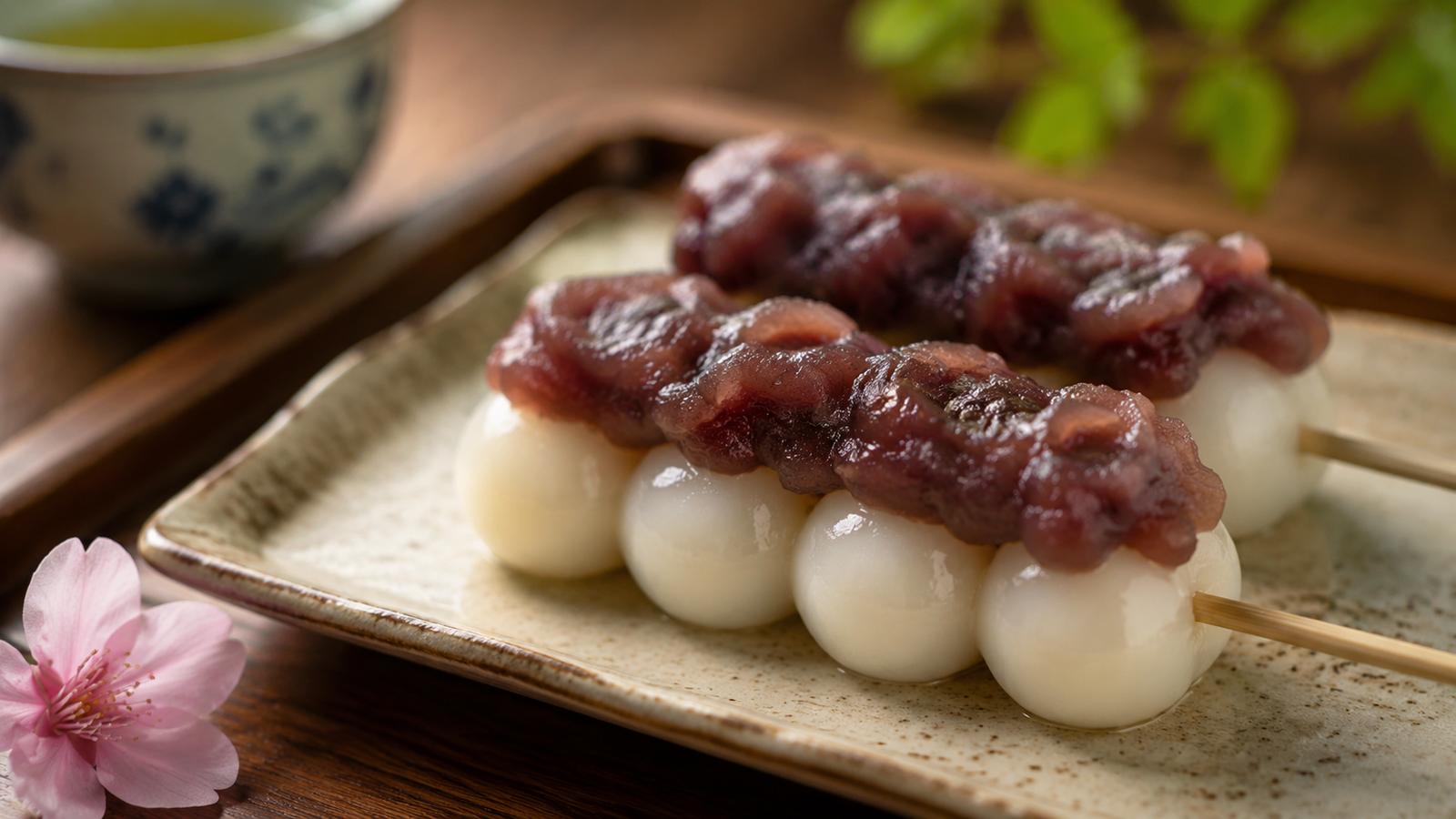
Anko dango near me is a popular search for people who want to discover authentic Japanese sweets, especially soft, chewy rice dumplings covered with sweet red bean paste. Whether you are a fan of Japanese desserts, exploring Asian cuisine, or simply craving a unique snack, finding fresh anko dango nearby can be an exciting experience. This traditional treat combines simple ingredients with centuries of Japanese culinary culture, creating a dessert that is both comforting and delicious.
Dango is often enjoyed during festivals, seasonal celebrations, tea ceremonies, and casual café visits in Japan. Among the many varieties of dango, anko dango stands out because of its smooth sweetness and the rich flavor of azuki bean paste. When people search for anko dango near me, they are usually looking for Japanese restaurants, dessert shops, Asian markets, or specialty stores that offer fresh mochi-like treats.
What Is Anko Dango?
Anko dango is a traditional Japanese dessert made from small round rice dumplings served with anko, a sweet paste made from azuki red beans. The word “dango” refers to the dumpling itself, while “anko” describes the sweet red bean topping commonly used in Japanese sweets. These chewy rice balls are usually placed on a bamboo skewer and enjoyed as a snack or dessert.
Unlike Western desserts that often rely on chocolate, cream, or butter, Japanese sweets focus on natural flavors and textures. Anko dango represents the Japanese approach of balancing sweetness, softness, and simplicity. The chewy texture of the rice dumpling combined with the creamy consistency of red bean paste creates a unique dessert experience.
Why People Search for Anko Dango Near Me
The search term anko dango near me has become popular because many people want to find authentic Japanese desserts without traveling far. Japanese food has gained worldwide popularity, and desserts like dango, mochi, and matcha sweets are now available in many cities outside Japan.
People searching for anko dango nearby may be looking for a Japanese café, an Asian bakery, a wagashi shop, or a restaurant offering traditional Japanese sweets. They may also want fresh dango instead of packaged versions because freshly prepared rice dumplings usually have a softer texture and better flavor.
The History and Cultural Importance of Dango in Japan
Dango has a long history in Japanese cuisine and has been enjoyed for hundreds of years. These rice dumplings became popular as affordable and accessible sweets that could be enjoyed by people from different social backgrounds. Over time, different regions of Japan developed their own styles and flavors.
Dango is strongly connected with Japanese festivals and traditions. Hanami dango, the famous three-colored version made with pink, white, and green dumplings, is associated with cherry blossom viewing. Families and friends often enjoy dango while celebrating seasonal events. Anko dango continues this tradition by combining classic rice dumplings with sweet azuki bean paste.
Difference Between Anko Dango and Mochi
Many people confuse anko dango with mochi because both desserts have a soft and chewy texture. Although they are similar, they are made differently. Dango is typically prepared using rice flour, while mochi is made by pounding cooked glutinous rice into a smooth and stretchy dough.
Anko can be used in both desserts, which creates some overlap between the two. For example, anko mochi contains sweet red bean filling inside a mochi exterior, while anko dango usually consists of smaller rice dumplings topped with or coated in red bean paste. Both are delicious examples of traditional Japanese sweets.
Popular Types of Dango You May Find Near You
When searching for anko dango near me, you may discover several different types of Japanese dango. Each variety has its own flavor, texture, and preparation style.
Mitarashi dango is one of the most famous versions. It features grilled rice dumplings covered with a sweet and salty soy sauce glaze. Hanami dango is another popular variety with three colorful dumplings representing spring colors. Anko dango focuses on the sweetness of azuki red bean paste and is especially loved by people who enjoy traditional Japanese flavors.
Other varieties may include sesame dango, matcha dango, and seasonal flavors created by Japanese dessert shops.
Where to Find Anko Dango Near Me
Finding anko dango near me depends on your location, but there are several places where you can usually search for this Japanese dessert. Japanese restaurants, wagashi stores, Asian supermarkets, and specialty dessert cafés are the most common options.
Many Japanese cafés offer traditional sweets alongside drinks like matcha tea, hojicha, and Japanese coffee. Asian grocery stores may also carry frozen or packaged dango products. Some bakeries and dessert shops create their own versions of Japanese rice sweets inspired by traditional recipes.
When searching locally, try keywords such as “Japanese dessert shop,” “mochi café,” “wagashi near me,” “Japanese sweets near me,” or “dango shop near me” along with your location.
What Makes Anko Dango Special?
The appeal of anko dango comes from its balance of flavors and textures. The rice dumpling provides a soft, chewy bite, while the anko adds a smooth sweetness with a slightly nutty bean flavor. This combination makes it different from many modern desserts.
Anko dango is also appreciated because it represents Japanese simplicity. The dessert does not require complicated ingredients, but careful preparation creates a memorable taste. The quality of the rice flour, cooking method, and sweetness of the anko all influence the final result.
Ingredients Used in Traditional Anko Dango
Traditional anko dango uses a few simple ingredients. The main ingredient is rice flour, which creates the chewy dumpling texture. Water is added to form the dough, and the dumplings are shaped into small round pieces before being boiled or steamed.
The anko topping is made from azuki beans, sugar, and sometimes salt to enhance the flavor. Some recipes use smooth anko called koshian, while others use chunky anko called tsubuan. The difference depends on personal preference and regional traditions.
Is Anko Dango Healthy?
Compared with many modern desserts, anko dango can be considered a relatively simple sweet because it usually contains fewer processed ingredients. Azuki beans provide plant-based protein, fiber, and minerals, while rice flour provides carbohydrates for energy.
However, anko dango is still a dessert and usually contains sugar. People watching their sugar intake should enjoy it in moderation. The nutritional value depends on the recipe, portion size, and amount of sweet bean paste used.
Best Drinks to Enjoy With Anko Dango
In Japan, traditional sweets are often paired with tea. Anko dango goes especially well with matcha because the slightly bitter flavor of green tea balances the sweetness of the red bean paste.
Other good pairings include hojicha (roasted green tea), sencha, Japanese black tea, and even coffee. Many Japanese dessert cafés create special combinations featuring dango, mochi, and seasonal beverages.
Anko Dango Near Me: Tips for Finding Fresh and Authentic Dango
When looking for anko dango near me, quality and freshness are important. Fresh dango usually has a soft and pleasant chewy texture, while older products may become harder. Checking customer reviews, photos, and menu descriptions can help identify good dessert locations.
Look for places that specialize in Japanese sweets rather than general dessert shops. Restaurants with Japanese chefs or traditional wagashi options are more likely to offer authentic flavors.
Can You Make Anko Dango at Home?
Yes, anko dango can be prepared at home with simple ingredients. Homemade versions allow you to adjust the sweetness and experiment with different toppings. The basic process involves mixing rice flour with water, shaping the dough into small balls, cooking them, and adding sweet red bean paste.
Many people enjoy making dango as part of Japanese cooking experiences. It can also be a fun activity for families and anyone interested in exploring Japanese culture through food.
The Growing Popularity of Japanese Desserts Worldwide
Japanese desserts have become increasingly popular around the world. Foods like mochi, matcha desserts, taiyaki, and dango are now enjoyed far beyond Japan. Social media has also introduced many people to traditional Japanese sweets through food videos and café reviews.
As interest in Japanese cuisine grows, more restaurants and dessert shops are adding items like anko dango, mochi dango, and hanami dango to their menus. This makes it easier for dessert lovers to discover these traditional treats locally.
Final Thoughts
Searching for anko dango near me is more than just finding a dessert; it is a way to explore Japanese food culture and tradition. This classic sweet rice dumpling combines simple ingredients, unique texture, and authentic Japanese flavors.
Whether you discover it at a Japanese café, Asian market, or make it yourself at home, anko dango offers a memorable taste experience. With its connection to festivals, tea culture, and traditional Japanese sweets, it remains one of the most loved desserts for people around the world.