Introduction
The term pappedeckel is a German word that literally translates to “cardboard lid” or “cardboard cover.” Although it may sound unfamiliar to many English speakers, the product itself is something people encounter every day in packaging, food service, printing, and manufacturing industries. From coffee cup lids and food packaging to protective covers and craft materials, pappedeckel plays an important role in modern packaging solutions.
As sustainability becomes a global priority, pappedeckel has gained increased attention because it is often made from recyclable or renewable paper-based materials. Businesses are replacing many plastic packaging components with cardboard alternatives to reduce environmental impact while maintaining product quality. This guide explains everything you need to know about pappedeckel, including its meaning, materials, manufacturing process, applications, advantages, limitations, and future potential.
What Is Pappedeckel?
The word pappedeckel comes from the German language, where “Pappe” means cardboard or paperboard and “Deckel” means lid or cover. Together, the term refers to a sturdy cardboard lid, cover, or protective paperboard piece used in various packaging and industrial applications.
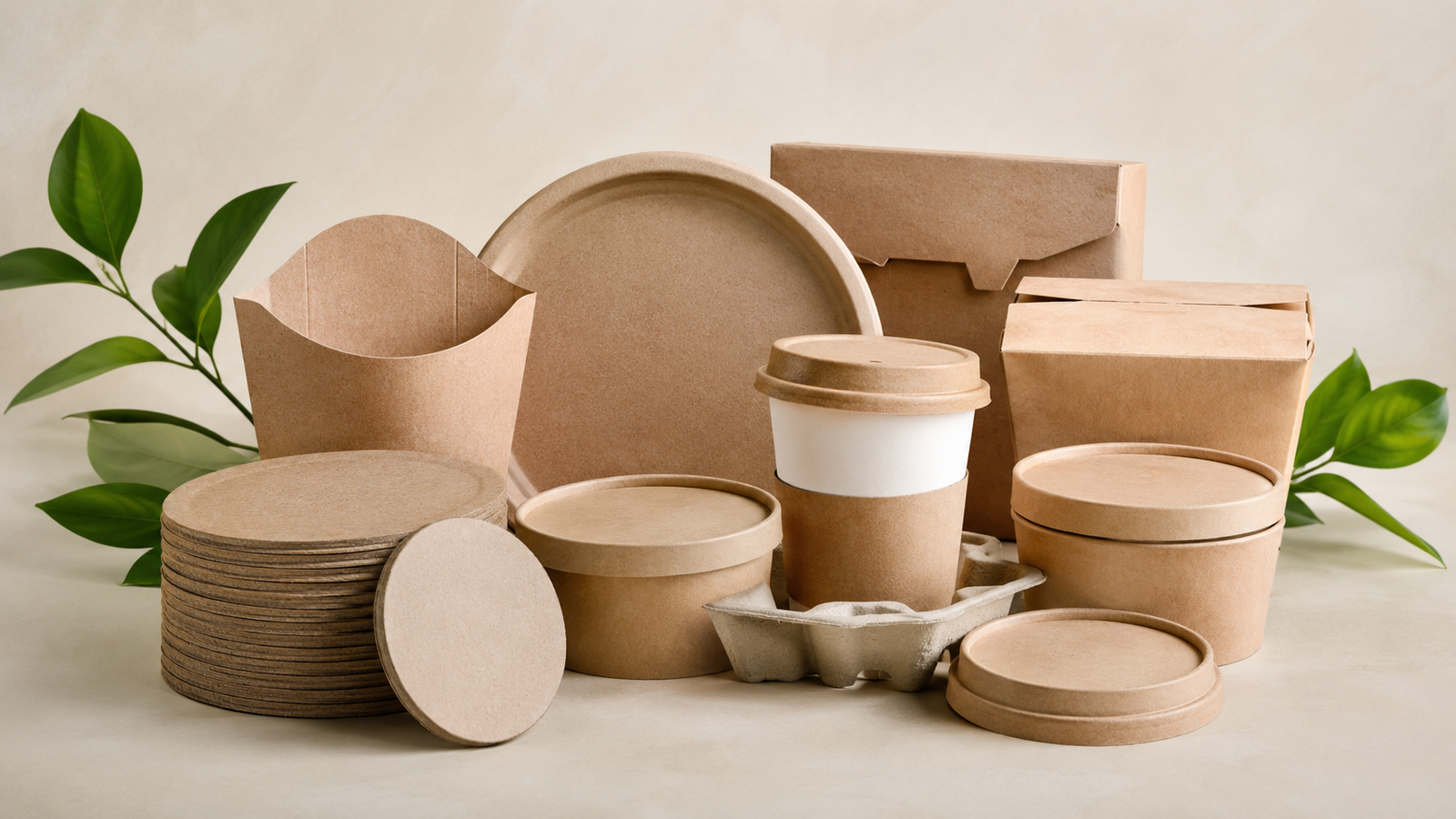
Although the literal translation is straightforward, the practical meaning of pappedeckel depends on its intended use. It may describe a cardboard coffee cup lid, a food container cover, a packaging insert, a book cover, or another rigid paperboard component designed to protect products during storage and transportation.
History and Evolution of Pappedeckel
Paperboard has been used in Europe for well over a century, and pappedeckel became a common solution wherever lightweight yet durable packaging was required. Before plastic became widely available, cardboard-based covers and lids were standard in many industries because they were inexpensive, easy to manufacture, and recyclable.
In recent years, the popularity of pappedeckel has grown again as governments, manufacturers, and consumers look for environmentally friendly alternatives to single-use plastic. Improved paper manufacturing technology has made modern cardboard products stronger, more moisture resistant, and better suited for food-grade packaging.
Common Materials Used in Pappedeckel
A typical pappedeckel is manufactured using high-quality paperboard or cardboard materials. Depending on the intended application, manufacturers may use recycled paper fibers, kraft paperboard, greyboard, chipboard, or virgin pulp board to achieve different levels of strength and durability.
Many modern products also include protective coatings that improve resistance to moisture, grease, and heat. These coatings allow pappedeckel to perform well in coffee shops, restaurants, food delivery services, and industrial environments while still supporting recycling efforts whenever suitable materials are used.
How Pappedeckel Is Manufactured
The manufacturing process begins with collecting either recycled paper fibers or fresh wood pulp. These fibers are mixed with water to create a pulp that is cleaned, refined, and pressed into thick paperboard sheets. The sheets are then dried carefully to produce rigid material with consistent thickness.
After drying, specialized machines cut the paperboard into precise shapes and sizes. Additional finishing processes may include embossing, printing, laminating, coating, or die-cutting. Quality inspections ensure every pappedeckel meets strength, safety, and dimensional requirements before distribution.
Major Uses of Pappedeckel
One of the most common uses of pappedeckel is in the food and beverage industry. Coffee cup lids, takeaway food containers, bakery packaging, dairy products, and disposable serving trays frequently incorporate cardboard components to reduce plastic consumption.
Beyond food packaging, pappedeckel is widely used in bookbinding, stationery, gift boxes, shipping inserts, industrial packaging, product displays, protective covers, educational materials, and arts and crafts. Its versatility makes it valuable across many commercial sectors.
Pappedeckel in Sustainable Packaging
Sustainability is one of the strongest reasons companies are adopting pappedeckel. Paper-based packaging supports efforts to reduce plastic waste while providing reliable protection for products during transportation and storage.
Many manufacturers now design packaging systems that use recyclable paperboard instead of petroleum-based plastics. Consumers increasingly appreciate environmentally responsible packaging, encouraging businesses to invest in innovative pappedeckel solutions that balance performance with environmental responsibility.
Advantages of Using Pappedeckel
A significant advantage of pappedeckel is its environmental friendliness. Since it is commonly made from renewable paper fibers and recycled materials, it contributes to waste reduction and supports circular recycling systems. Many products are lightweight, reducing transportation costs and associated emissions.
Another important benefit is versatility. Pappedeckel is easy to print, cut, fold, shape, and customize for different industries. Businesses can include branding, product information, or decorative designs without requiring expensive manufacturing processes, making it suitable for both small businesses and large corporations.
Limitations of Pappedeckel
Although pappedeckel offers many benefits, it also has certain limitations. Standard cardboard absorbs moisture more easily than plastic, which can reduce strength if exposed to water for extended periods. Protective coatings may improve performance but can also affect recyclability depending on the material used.
Heavy industrial applications sometimes require stronger materials than traditional paperboard can provide. For these situations, manufacturers may combine paperboard with additional reinforcement or select alternative packaging materials designed for greater durability.
Industries That Use Pappedeckel
The food service industry is among the largest users of pappedeckel. Restaurants, cafés, bakeries, supermarkets, beverage manufacturers, catering companies, and food delivery businesses rely on cardboard packaging to improve sustainability while maintaining product quality.
Many other industries also depend on pappedeckel, including publishing, printing, pharmaceuticals, cosmetics, electronics, logistics, manufacturing, retail, education, and the arts. The material’s adaptability allows it to serve countless commercial and industrial purposes.
Pappedeckel vs Plastic Packaging
When comparing pappedeckel with plastic packaging, the most noticeable difference is environmental impact. Paperboard is generally produced from renewable resources and often fits better into existing recycling systems, making it an attractive option for businesses pursuing sustainable packaging goals.
Plastic packaging, however, typically provides superior resistance to water, oils, and chemicals. For this reason, manufacturers continue improving cardboard technology through advanced coatings and stronger paper fibers to narrow the performance gap while preserving environmental benefits.
Choosing the Right Pappedeckel
Selecting the appropriate pappedeckel depends on the product being packaged. Businesses should consider thickness, strength, moisture resistance, weight capacity, printing requirements, and food safety standards before choosing a specific paperboard solution.
Cost is another important factor. While premium paperboard may cost more initially, it often provides better durability, stronger brand presentation, and improved customer satisfaction. Choosing high-quality materials can also reduce damage during shipping and storage.
Future of Pappedeckel
The future of pappedeckel looks promising as governments continue introducing regulations that encourage sustainable packaging. Growing consumer awareness of environmental issues is increasing demand for recyclable, biodegradable, and renewable packaging materials across global markets.
Innovation will continue driving improvements in paperboard technology. Stronger fibers, advanced biodegradable coatings, water-resistant materials, and smarter manufacturing techniques are expected to make pappedeckel even more practical for a wider range of industries in the coming years.
Conclusion
Pappedeckel has become much more than a simple cardboard lid or cover. It represents a practical, versatile, and increasingly sustainable packaging solution used across food service, retail, publishing, manufacturing, logistics, and many other industries. Its combination of affordability, recyclability, customization, and wide availability makes it an essential material in today’s packaging landscape.
As businesses continue reducing their dependence on plastic, the importance of pappedeckel is expected to grow. Continued innovation in paperboard technology and environmentally friendly manufacturing will help ensure that this simple yet highly effective material remains a key part of sustainable packaging solutions for years to come.