Introduction
The cryptocurrency industry continues to grow rapidly, making secure digital asset storage more important than ever. Whether you own Bitcoin, Ethereum, NFTs, or other cryptocurrencies, choosing the right wallet plays a significant role in protecting your investments. Many users searching for ecryptobit.com wallets are looking for information about crypto wallet security, wallet types, supported digital assets, and best practices for managing cryptocurrencies safely.
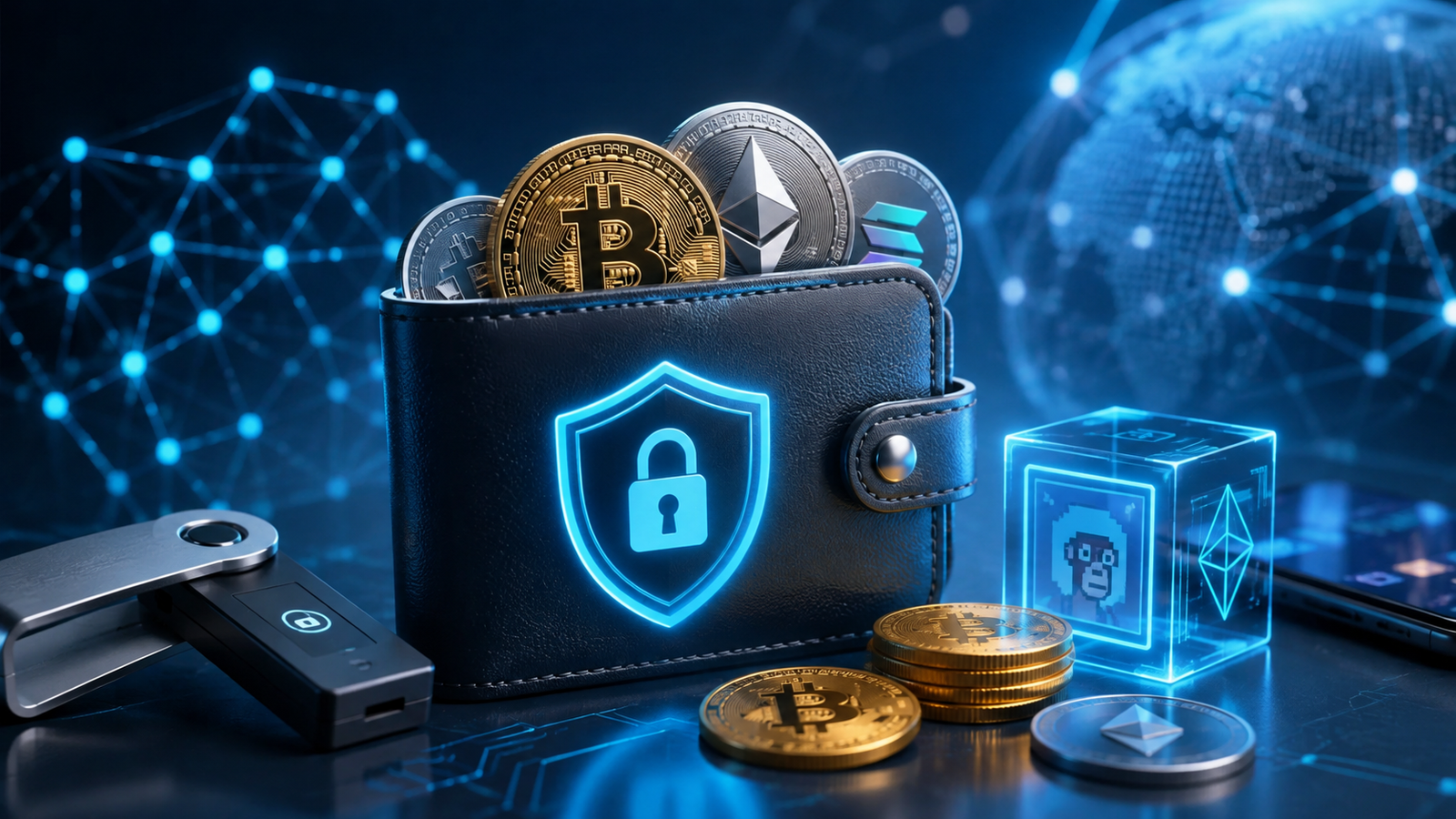
Understanding how crypto wallets function is essential for both beginners and experienced investors. Unlike traditional bank accounts, cryptocurrency wallets allow users to manage private keys that provide access to blockchain assets. They come in different forms, including software wallets, hardware wallets, mobile wallets, desktop wallets, web wallets, and cold wallet crypto solutions. Each type offers different levels of convenience and security depending on how frequently you trade or hold digital assets.
This guide explains ecryptobit.com wallets, wallet security, Bitcoin wallets, NFT wallets, ecryptobit.com tokens, and the differences between hot and cold storage. It also explores the essential features users should look for when choosing a crypto wallet while following industry best practices for digital asset protection.
What Are ecryptobit.com Wallets?
The term ecryptobit.com wallets generally refers to educational information related to cryptocurrency wallets, blockchain security, and digital asset management. Crypto wallets are designed to help users access, send, receive, and manage cryptocurrencies through secure private and public keys rather than physically storing digital coins.
Understanding wallets begins with recognizing that cryptocurrencies remain on their respective blockchains. A wallet simply provides secure access to those assets by managing cryptographic keys. This makes wallet security one of the most important aspects of cryptocurrency ownership because anyone with access to your private keys can potentially control your digital assets.
How Crypto Wallets Work
A crypto wallet uses two essential cryptographic components: a public key and a private key. The public key functions like an account number that others can use to send cryptocurrency, while the private key acts as a confidential password that authorizes transactions.
Every blockchain transaction is verified through digital signatures generated by the wallet. Once a transaction is signed with the private key, it is broadcast to the blockchain network for confirmation. This process allows users to transfer Bitcoin, Ethereum, NFTs, and many other digital assets without relying on a traditional financial institution.
Types of Crypto Wallets
There are several wallet categories available today, each serving different purposes depending on the user’s investment strategy and security preferences.
Hot wallets remain connected to the internet, making them ideal for frequent trading and everyday transactions. Mobile wallets, browser wallets, desktop wallets, and exchange wallets all fall into this category because they provide quick access to cryptocurrencies whenever needed.
Cold wallet crypto solutions operate offline, making them significantly more secure against hacking attempts. Hardware wallets and paper wallets are common examples of cold storage. Long-term investors often prefer these wallets because they greatly reduce online security risks while providing strong protection for valuable cryptocurrency holdings.
Bitcoin Wallet Explained
A Bitcoin wallet is specifically designed to manage Bitcoin transactions. It allows users to receive Bitcoin, send payments, check balances, and safely control private keys associated with their Bitcoin addresses.
Modern Bitcoin wallets often include advanced security features such as encryption, recovery phrases, biometric authentication, and transaction verification. Whether used on a smartphone, desktop computer, or dedicated hardware device, a secure Bitcoin wallet helps users maintain complete control over their cryptocurrency.
Understanding NFT Wallets
As NFTs continue expanding across gaming, digital art, collectibles, and the metaverse, NFT-compatible wallets have become increasingly popular. These wallets allow users to securely store, display, and transfer non-fungible tokens while interacting with decentralized marketplaces.
An NFT wallet also enables users to connect with blockchain applications, purchase digital collectibles, mint new NFTs, and manage multiple collections from one secure interface. Compatibility with Ethereum and other blockchain networks is often an important consideration when selecting an NFT wallet.
ecryptobit.com Tokens and Digital Assets
When discussing ecryptobit.com tokens, users are generally interested in learning how blockchain tokens function within decentralized ecosystems. Tokens differ from cryptocurrencies because they are usually created on existing blockchain networks through smart contracts.
Digital tokens may serve many purposes, including governance, utility, gaming rewards, digital ownership, decentralized finance participation, and NFT ecosystems. Understanding token standards helps investors evaluate different blockchain projects while improving their knowledge of cryptocurrency technology.
Best Crypto Wallet Features
Choosing the best crypto wallet requires evaluating both security and usability. Modern cryptocurrency wallets continue introducing new features designed to improve user experience while maintaining strong asset protection.
Important features include private key ownership, backup recovery phrases, multi-factor authentication, encryption, multi-chain compatibility, NFT support, decentralized application connectivity, transaction history, biometric security, and regular software updates. Wallets that combine these features generally provide a better balance between convenience and protection.
Best Bitcoin Wallet Characteristics
The best Bitcoin wallet should prioritize user security while remaining easy to operate. Investors who frequently buy and sell Bitcoin often prefer software wallets because they offer quick access and convenient transaction management.
Long-term Bitcoin holders generally select hardware wallets or cold storage solutions to minimize exposure to online threats. Backup procedures, firmware updates, recovery options, and secure private key management remain essential characteristics regardless of which wallet type is chosen.
Cold Wallet Crypto Advantages
A cold wallet crypto solution stores private keys completely offline, making it one of the safest methods for protecting digital assets. Since these wallets are disconnected from the internet, cybercriminals have significantly fewer opportunities to compromise user funds.
Cold wallets are especially recommended for investors holding substantial cryptocurrency portfolios over extended periods. Although accessing funds requires additional steps compared to hot wallets, the increased security often outweighs the slight reduction in convenience for long-term storage.
Wallet Security Best Practices
Protecting cryptocurrency requires more than simply selecting a reliable wallet. Users should follow established security practices to reduce the risk of theft, scams, and accidental asset loss.
Strong passwords, unique recovery phrase storage, hardware authentication, regular software updates, phishing awareness, and offline backups all contribute to better wallet security. Investors should never share private keys or recovery phrases with anyone because legitimate wallet providers never request this confidential information.
Managing Multiple Cryptocurrencies
Many investors hold Bitcoin alongside Ethereum, stablecoins, NFTs, and other blockchain assets. Multi-chain wallets simplify digital asset management by allowing users to monitor different cryptocurrencies from one interface.
Managing several assets through a single wallet improves convenience while reducing the need to switch between multiple applications. Before choosing any wallet, users should verify that it supports the blockchain networks and cryptocurrencies they plan to use regularly.
Common Mistakes to Avoid
Many cryptocurrency losses result from simple user mistakes rather than technical failures. Forgetting recovery phrases, storing private keys online, downloading fake wallet applications, and falling victim to phishing websites remain among the most common issues.
Investors should always verify wallet authenticity, carefully review transaction details before sending funds, and avoid keeping large balances on exchanges for extended periods. Developing good security habits significantly reduces unnecessary risks within the cryptocurrency ecosystem.
Why Wallet Choice Matters
Selecting the right wallet affects every aspect of cryptocurrency ownership, including security, convenience, accessibility, and long-term asset protection. Different investors have different priorities depending on whether they trade daily, collect NFTs, or simply hold Bitcoin for future growth.
Understanding wallet types, blockchain compatibility, recovery methods, and security practices helps users make informed decisions that align with their financial goals. A well-chosen wallet provides confidence while supporting responsible cryptocurrency management.
Conclusion
Interest in ecryptobit.com wallets reflects the growing importance of secure cryptocurrency storage in today’s digital economy. Whether users are researching crypto wallets, Bitcoin wallets, NFT wallets, ecryptobit.com tokens, or cold wallet crypto solutions, understanding wallet fundamentals remains essential for protecting digital assets.
The cryptocurrency landscape continues evolving, but the core principles of wallet security remain consistent. Choosing an appropriate wallet, protecting private keys, enabling strong authentication, and following industry best practices can help investors safely manage their cryptocurrencies over the long term. By learning how wallets function and implementing proper security measures, users can confidently participate in the expanding world of blockchain technology and digital finance.