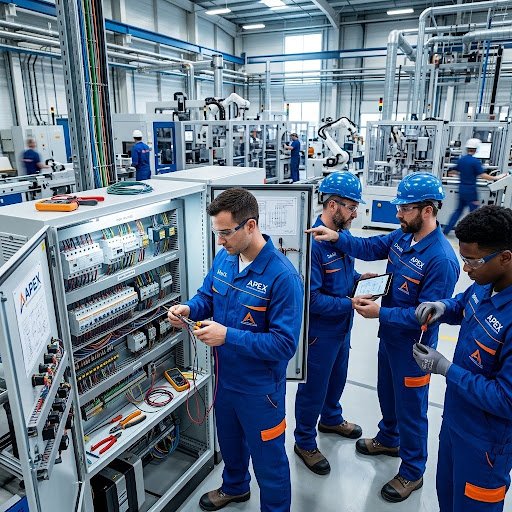
Electricity powers everything—but not every electrical service delivers on its promise. When the job demands precision, reliability, and expertise that holds up under pressure, the difference between adequate and exceptional becomes impossible to ignore. That’s where the right electrical partner changes everything.
From large-scale commercial installations to complex industrial systems, the need for dependable electrical solutions has never been greater. Businesses and property owners alike are raising the bar on what they expect from their electrical contractors—faster turnarounds, safer outcomes, and workmanship that doesn’t need to be revisited six months later. The market is full of options, but only a handful consistently deliver results that speak for themselves.
This post explores what sets high-caliber electrical services apart, what you should expect when working with a top-tier provider, and why choosing the right team from the start saves far more than just time.
What Does a Full-Service Electrical Provider Actually Offer?
Many electrical contractors handle the basics. A full-service electrical solutions provider goes further—covering everything from initial design and load analysis to installation, testing, and ongoing maintenance across residential, commercial, and industrial settings.
The scope matters. A team equipped to manage complex panel upgrades, switchgear installations, emergency power systems, and energy-efficient retrofits brings a level of capability that standalone operators simply can’t match. When one provider handles end-to-end electrical work, projects run smoother, communication is cleaner, and accountability is clear.
This comprehensive approach is especially valuable for commercial clients managing multiple sites or industrial operations where electrical downtime carries real financial consequences.
Why Electrical Quality Is a Long-Term Investment
Cutting corners on electrical work creates problems that compound over time. Substandard wiring, improper load balancing, and code non-compliance don’t just fail inspections—they create safety hazards, inflate energy bills, and drive up repair costs down the line.
High-quality electrical services, by contrast, are built to last. Proper installation techniques, certified materials, and thorough commissioning processes reduce the likelihood of faults and extend the lifespan of every system installed. For commercial and industrial operators, that translates directly to reduced operational disruption and lower total cost of ownership over time.
The upfront investment in quality electrical work consistently outperforms the short-term savings of going with the lowest bidder.
How Commercial and Industrial Electrical Needs Differ
Residential electrical work and commercial or industrial electrical work exist in entirely different categories of complexity. Commercial environments require careful attention to load capacity, power factor correction, and compliance with local and national electrical codes. Industrial settings add further demands—high-voltage systems, motor controls, automation integration, and the need for failsafe redundancy.
A provider experienced across both sectors brings practical knowledge that generic contractors lack. Understanding how a manufacturing facility’s power demands fluctuate throughout a production shift, for example, requires a different kind of expertise than wiring a retail fit-out. The best electrical solutions companies carry that depth across every service category they offer.
What to Look for in an Electrical Solutions Partner
Choosing the right electrical contractor isn’t just about licensing and price. Several factors separate truly reliable providers from the rest:
- Certifications and compliance: All work should meet or exceed local electrical codes and safety standards, with documentation to back it up.
- Project management capability: Larger projects require coordination, scheduling, and communication that smaller operators often struggle to deliver.
- Range of services: From new construction wiring to electrical retrofits and preventive maintenance, breadth of service reduces the need to manage multiple contractors.
- Response time: For businesses, electrical faults can halt operations. A provider with fast response times and emergency support minimizes costly downtime.
- Track record: Completed projects, client references, and long-term relationships with repeat clients are strong indicators of consistent quality.
Evaluating providers on these criteria, rather than price alone, leads to better outcomes across every type of electrical project.
The Real Value of Preventive Electrical Maintenance
Reactive electrical maintenance—fixing things after they break—is expensive and disruptive. Preventive maintenance programs, on the other hand, catch issues before they escalate. Regular inspections, thermal imaging, load testing, and equipment servicing identify potential failure points early, allowing for planned repairs rather than emergency interventions.
For industrial and commercial clients, this proactive approach translates to fewer unplanned shutdowns, extended equipment life, and a safer working environment for staff. A well-structured maintenance program also helps clients stay compliant with insurance requirements and workplace safety regulations.
Powering Projects That Demand More
Apex Electrical Solutions & Systems is a trusted name for businesses and property owners who need electrical expertise they can count on—delivering reliable, code-compliant installations and system solutions across commercial and industrial projects with a team that brings technical depth and a commitment to getting the job done right the first time.
The breadth of services available through a provider of this caliber means clients don’t have to coordinate between multiple contractors or accept trade-offs in quality. Every component of an electrical project—design, installation, commissioning, and maintenance—is handled with the same standard of care and professionalism.
For clients managing complex projects or looking to establish a long-term electrical maintenance partnership, working with a provider that brings both technical capability and a genuine commitment to client outcomes makes a measurable difference. The projects delivered, the systems maintained, and the clients served speak to a standard of work that holds up over time.
Frequently Asked Questions
What types of projects does a full-service electrical solutions company handle?
A full-service electrical solutions provider typically handles commercial fit-outs, industrial installations, panel upgrades, lighting systems, emergency power solutions, switchgear installation, and preventive maintenance programs. The specific scope varies by provider, but the best ones cover both new construction and retrofit projects across multiple sectors.
How often should commercial electrical systems be inspected?
Most industry guidelines recommend a comprehensive electrical inspection for commercial properties at least every three to five years. High-demand industrial environments may require more frequent checks. Regular thermal imaging and load testing between major inspections can catch developing issues early.
What’s the risk of delaying electrical maintenance?
Deferred maintenance increases the likelihood of equipment failure, electrical faults, and safety incidents. For businesses, this can mean costly downtime, regulatory penalties, and in serious cases, fire or injury risk. Proactive maintenance is consistently more cost-effective than reactive repairs.
What should I ask an electrical contractor before hiring them?
Key questions include: Are you licensed and insured for this type of work? Can you provide references from similar projects? What does your project management process look like? Do you offer ongoing maintenance support after installation?