Understanding the Purpose of Utility Trailers
Transportation plays an important role in personal, commercial, and professional activities, especially when moving equipment, materials, tools, or other valuable items. Having the right transport solution can make daily tasks easier, faster, and more efficient. A utility trailer is a practical option designed to provide additional carrying capacity without requiring a larger vehicle. These trailers are commonly used for transporting different types of loads while offering flexibility and convenience. Their simple yet effective design makes them suitable for many applications, from household projects to professional work requirements. Understanding how these trailers function, their benefits, and their important features can help users make better decisions when choosing the right option for their needs.
What Makes Utility Trailers Different
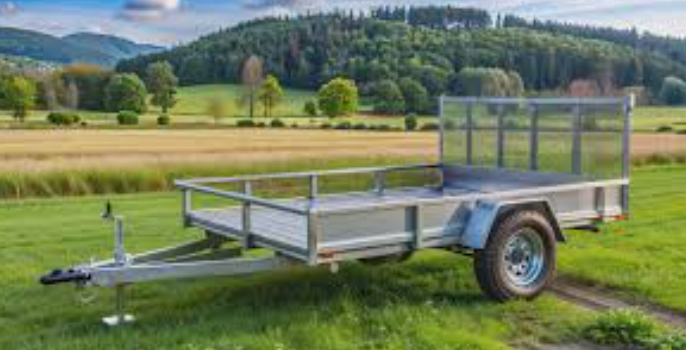
The design of a utility trailer focuses on providing an open and accessible space for transporting various types of items. Unlike enclosed trailers, these models typically offer easier loading and unloading because of their open structure. Their design allows users to carry equipment, landscaping materials, construction supplies, recreational items, and other goods efficiently. Many models include features such as side rails, ramps, storage options, and durable flooring to improve usability. The versatility of these trailers makes them popular among homeowners, businesses, and professionals who require additional transport capacity. Their ability to handle different tasks makes them a valuable investment for many users.
Exploring Different Types of Utility Trailers
There are several types of trailers available, each designed for specific purposes and requirements. Some models are built for lightweight tasks, while others are created to handle heavier loads and demanding applications. Flatbed designs provide open space for larger items, while models with higher sides help secure loose materials during transportation. Specialized versions may include features that support equipment hauling, outdoor activities, or commercial operations. Choosing the right design depends on the type of cargo, frequency of use, and required capacity. Understanding these differences helps users select a trailer that matches their transportation needs effectively.
Key Features That Improve Trailer Performance
A well-designed trailer includes several features that contribute to safety, durability, and convenience. Strong frames, reliable suspension systems, quality tires, secure attachment points, and proper lighting are important components that influence performance. Some models also include additional features such as removable sides, adjustable ramps, and improved storage solutions. These features allow users to customize the trailer according to different tasks and requirements. A high-quality utility trailer provides better reliability and can handle regular use more effectively. Considering these features before purchase helps ensure long-term satisfaction and better value.
Benefits of Using a Utility Trailer
One of the biggest advantages of owning a utility trailer is the extra transportation capacity it provides. Instead of limiting the amount of equipment or materials that can fit inside a vehicle, users can safely transport larger loads separately. This additional space is especially useful for projects that require frequent movement of tools, supplies, or heavy items. A trailer can also help protect the interior of a vehicle by keeping dirty, bulky, or oversized items outside the main cabin. The flexibility and convenience offered by these trailers make them a practical choice for many transportation needs.
Improving Efficiency for Work and Personal Projects
Many professionals and homeowners rely on trailers to complete tasks more efficiently. Whether managing landscaping work, construction projects, maintenance activities, or personal improvements, having additional carrying space saves time and effort. A properly selected utility trailer allows users to transport everything needed in fewer trips, improving productivity. Businesses often use trailers to move equipment between locations, while individuals may use them for home improvement or recreational purposes. The ability to handle different tasks makes these trailers a versatile solution for various situations.
Choosing the Right Size and Capacity
Selecting the correct trailer size is an important decision because it affects safety, performance, and usability. A trailer that is too small may not provide enough space, while one that is too large may be unnecessary for occasional use. Buyers should consider the type of items they plan to transport, the weight of the loads, and the towing capability of their vehicle. Understanding weight limits and capacity requirements helps prevent overloading and improves safety during transportation. Taking time to evaluate these factors ensures that the selected trailer meets both current and future needs.
Importance of Quality Construction and Materials
The durability of a trailer depends heavily on the quality of materials and construction methods used during manufacturing. Strong steel frames, corrosion-resistant finishes, and reliable components help extend the lifespan of the equipment. A well-built trailer can withstand regular use, changing weather conditions, and demanding transportation tasks. Investing in quality construction reduces the need for frequent repairs and replacements. When evaluating options, users should consider both the initial cost and the long-term value provided by a durable design.
Safety Considerations When Using Trailers
Safety should always be a priority when transporting loads with any type of trailer. Proper attachment, balanced loading, secure fastening, and regular inspections help reduce risks during travel. Users should ensure that tires, brakes, lights, and connection points are maintained correctly. Overloading or improper distribution of weight can affect vehicle handling and create dangerous situations. Following recommended safety practices improves confidence and helps prevent avoidable problems. Responsible trailer use ensures better performance and protects both the equipment and other road users.
Maintenance Tips for Long-Term Performance
Regular maintenance is essential for keeping a trailer in good working condition. Routine inspections can help identify issues with tires, wheels, lights, brakes, and structural components before they become serious problems. Cleaning the trailer after use, checking connections, and protecting metal surfaces from corrosion can extend its lifespan. Proper maintenance also improves reliability and reduces unexpected repair costs. Owners who take care of their equipment can enjoy better performance and greater value over time. A consistent maintenance routine is an important part of responsible ownership.
How Utility Trailers Support Different Industries
Many industries depend on trailers because they provide practical transportation solutions for equipment and materials. Construction workers, landscapers, farmers, maintenance professionals, and service providers often use trailers as part of their daily operations. These industries require dependable equipment that can handle demanding tasks and frequent transportation. A well-designed utility trailer helps professionals move necessary tools and supplies efficiently. Its adaptability allows businesses to improve workflow and complete projects more effectively. This makes trailers a valuable resource across many different fields.
Considering Customisation Options
Many users choose to customise their trailers to better match their specific requirements. Additional features such as storage boxes, racks, ramps, protective coverings, and specialised attachments can improve functionality. Customisation allows users to create a setup that supports their unique transportation needs. Whether the goal is improving organisation, increasing convenience, or enhancing safety, modifications can add significant value. A customised trailer can become a more effective tool for personal or professional use.
The Long-Term Value of Trailer Ownership
Purchasing a trailer can provide long-term benefits by reducing transportation challenges and improving efficiency. Instead of repeatedly renting equipment or depending on limited vehicle space, owners have a reliable solution available whenever needed. A quality utility trailer can serve for many years when properly maintained and used responsibly. Its versatility allows it to support changing needs over time, making it a valuable investment. The combination of convenience, durability, and flexibility contributes to its long-term value.
Factors to Consider Before Buying
Before purchasing a trailer, buyers should evaluate several important factors to ensure they make the right choice. These include intended use, size requirements, construction quality, maintenance needs, and compatibility with the towing vehicle. Researching different designs and understanding available features can help avoid purchasing a model that does not meet expectations. A careful decision-making process leads to better performance and greater satisfaction. Choosing the right option ensures that the trailer remains useful for many years.
Why Investing in a Reliable Trailer Matters
A dependable trailer provides more than just extra carrying space; it offers convenience, flexibility, and improved productivity. Whether used for personal tasks or professional responsibilities, reliable equipment helps complete jobs more effectively. A quality utility trailer supports different transportation needs while reducing limitations caused by vehicle capacity. By selecting a durable model and maintaining it properly, users can enjoy consistent performance. This investment can make transportation easier and more organised in many situations.
Final Thoughts on Utility Trailer Benefits
A utility trailer is a practical transportation solution designed to support a wide range of activities and requirements. Its flexible design, useful features, and ability to handle different loads make it valuable for homeowners, businesses, and professionals. Choosing the right size, maintaining the equipment properly, and following safety practices are essential for achieving the best results. With proper care, a trailer can provide years of dependable service and improve transportation efficiency. For anyone needing additional hauling capacity and a versatile solution, a utility trailer remains a valuable and practical choice.