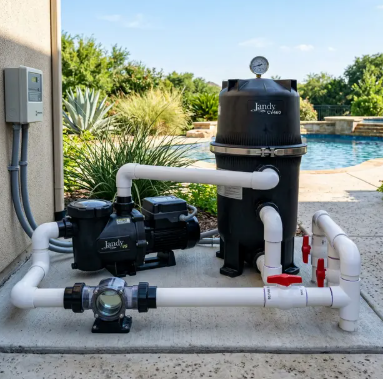
Understanding the Importance of Proper Pool Maintenance
Maintaining a clean and healthy swimming environment requires regular attention to several important components. A pool is not only about filling it with water; it also depends on effective circulation, filtration, and cleaning systems to maintain proper water quality. Without reliable equipment, water can become cloudy, collect unwanted materials, and create an uncomfortable swimming experience. A well-maintained circulation system helps distribute chemicals evenly, remove debris, and support better water conditions. Choosing the right equipment plays a major role in keeping a pool functional and efficient throughout the year. Understanding how different components work together allows pool owners to make informed decisions and improve the overall performance of their swimming systems.
The Role of Circulation Systems in Pool Performance
Water circulation is one of the most essential parts of pool maintenance because it helps keep the entire system balanced. Moving water through filtration and treatment equipment allows contaminants to be removed while ensuring that cleaning products are distributed properly. Without effective circulation, certain areas of the pool may experience poor water quality and increased maintenance requirements. Modern pool pumps are designed to support efficient water movement while helping maintain a cleaner and healthier swimming environment. Selecting the correct system based on pool size, usage, and performance requirements can significantly improve daily operation and reduce unnecessary issues.
How Pool Pumps Work and Why They Matter
The primary purpose of a circulation pump is to move water from the pool through the filtration system and back again. This continuous process helps remove dirt, leaves, and other unwanted materials that affect water clarity. The pump creates the necessary flow that allows filters and treatment systems to operate effectively. Different designs offer different levels of performance, energy efficiency, and durability depending on the technology used. Understanding how these systems function helps pool owners choose equipment that matches their specific needs. A properly selected and maintained pump can contribute to better water quality and smoother overall pool operation.
Different Types of Pool Circulation Systems
There are several types of circulation systems available, each offering unique features and benefits. Traditional single-speed models provide consistent operation, while variable-speed designs allow users to adjust performance according to changing requirements. Energy-efficient models can reduce power consumption by operating at lower speeds when maximum circulation is not required. Some systems are designed for larger pools, while others are better suited for smaller installations. Evaluating factors such as pool volume, filtration requirements, and expected usage helps determine the most suitable option. Choosing the right design ensures better efficiency and improved long-term performance.
Benefits of Installing an Efficient Water Circulation System
An efficient circulation system provides many advantages beyond basic water movement. It helps maintain cleaner water, improves filtration performance, and supports better chemical distribution throughout the pool. When water circulates properly, contaminants are removed more effectively, reducing the effort required for regular maintenance. High-quality pool pumps can also improve energy efficiency by using power more effectively and reducing unnecessary operation. Investing in suitable equipment can create a more enjoyable swimming environment while supporting long-term cost savings. Proper circulation is an important foundation for maintaining a well-functioning pool.
Improving Energy Efficiency Through Modern Equipment
Energy consumption is an important consideration for many pool owners because circulation systems often operate for extended periods. Older equipment may use more energy than necessary, increasing operating costs over time. Modern technology has introduced more efficient designs that allow better performance with reduced power usage. Variable-speed options provide greater control by adjusting operation according to the pool’s needs rather than running at full capacity continuously. Upgrading to efficient equipment can help reduce waste while maintaining effective water circulation. Choosing energy-conscious solutions supports both financial savings and responsible resource use.
Selecting the Right Equipment for Your Pool
Choosing suitable equipment requires careful consideration of several important factors. Pool size, water capacity, filtration system compatibility, and expected usage all influence which option will provide the best results. A system that is too small may struggle to maintain proper circulation, while an oversized system may consume unnecessary energy. Understanding performance requirements helps ensure better efficiency and reliability. Professional advice can also be useful when determining the appropriate specifications. Making an informed decision allows pool owners to enjoy improved performance and fewer maintenance challenges.
The Importance of Proper Installation
Even high-quality equipment requires correct installation to operate effectively. Poor installation can reduce performance, create unnecessary strain on components, and shorten the lifespan of the system. Professional installation ensures that connections, settings, and placement are handled correctly according to safety and performance requirements. Proper setup also allows the system to operate more efficiently from the beginning. Experienced technicians can evaluate the pool environment and recommend the best installation approach. A correctly installed circulation system provides better reliability and supports smoother operation.
Maintenance Tips for Long-Term Performance
Regular maintenance is essential for keeping circulation equipment working properly. Routine checks can help identify issues before they become serious problems. Owners should inspect components, clean filters, monitor performance, and pay attention to unusual sounds or changes in operation. Keeping the system maintained helps prevent unnecessary repairs and improves efficiency. Proper care also extends the lifespan of important equipment and protects the overall investment. A consistent maintenance routine ensures that the pool remains cleaner and that the circulation system continues to perform effectively.
Common Problems That Affect Pool Equipment
Like any mechanical system, pool equipment can experience problems over time. Reduced water flow, unusual noises, leaks, and decreased performance may indicate that maintenance or repairs are needed. These issues can result from blocked components, worn parts, electrical problems, or incorrect operation. Addressing problems early helps prevent larger failures and keeps the system functioning efficiently. Regular inspections make it easier to identify potential concerns before they affect the entire pool system. Timely attention improves reliability and helps maintain better water conditions.
How Proper Equipment Supports Water Quality
Maintaining clean water requires more than adding chemicals regularly. Effective circulation ensures that treatment products reach all areas of the pool and that contaminants are continuously removed. Poor circulation can lead to uneven water conditions and increased cleaning requirements. Reliable pool pumps support better filtration by keeping water moving consistently through the system. This improves overall water quality and creates a more comfortable swimming experience. A balanced approach that combines proper equipment, filtration, and maintenance produces the best results.
Understanding the Value of Professional Advice
Selecting and maintaining pool equipment can sometimes be challenging because many factors influence performance. Professional guidance can help owners understand their options and choose solutions that match their specific requirements. Experts can evaluate existing systems, recommend improvements, and provide maintenance advice. This support helps avoid costly mistakes and ensures that equipment is used effectively. Professional assistance is especially valuable when upgrading older systems or dealing with complex installations. Making informed decisions leads to better performance and longer-lasting results.
Reducing Maintenance Efforts With Better Systems
A well-designed circulation system can reduce the amount of time and effort required for pool maintenance. When water moves efficiently and filtration works properly, debris removal and chemical balancing become easier. This allows owners to spend more time enjoying their pool instead of dealing with constant maintenance tasks. Quality equipment helps create a more predictable and manageable maintenance routine. Investing in reliable systems can simplify ownership while improving overall pool performance. Efficient operation provides convenience and helps maintain a cleaner environment.
Preparing Your Pool System for Future Needs
As technology continues to improve, pool equipment is becoming more advanced and adaptable. Many modern systems offer better control, improved efficiency, and smarter operation features. Planning for future needs allows owners to select equipment that can support changing requirements over time. Whether upgrading an existing pool or installing a new system, considering long-term performance is important. Choosing adaptable solutions provides greater flexibility and value. A future-focused approach helps ensure that the pool remains efficient and enjoyable for years to come.
Long-Term Benefits of Quality Pool Equipment
Investing in reliable equipment provides advantages that extend beyond immediate improvements. Better circulation, reduced maintenance needs, and improved energy efficiency all contribute to long-term value. Quality systems are designed to provide consistent performance while handling regular operation demands. Proper maintenance further enhances durability and protects the investment. Choosing dependable equipment creates a stronger foundation for effective pool management. Long-term planning and quality choices help ensure a better swimming experience.
Final Thoughts on Efficient Pool Circulation Solutions
A properly functioning circulation system is essential for maintaining clean, balanced, and enjoyable pool water. From improving filtration to supporting energy efficiency, the right equipment plays a major role in overall pool performance. Selecting suitable pool pumps, ensuring correct installation, and following regular maintenance practices can make a significant difference. Reliable circulation solutions reduce maintenance challenges while helping protect the condition of the pool. By understanding available options and making informed decisions, pool owners can create a healthier and more efficient swimming environment that provides lasting benefits.