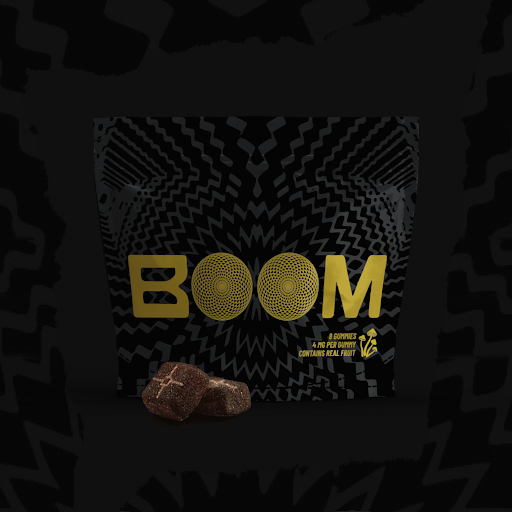
The term “microdose gummies” has become increasingly common in discussions about modern mushroom products. It sounds straightforward, but the phrase can describe different formulations depending on the ingredients, product category, and terminology used by a manufacturer.
Unlike ordinary fruit gummies, products described as microdose gummies may be associated with mushroom-derived ingredients, including functional mushrooms or, in some contexts, psychoactive mushroom compounds. These categories should not be treated as interchangeable.
Understanding the language behind these products is therefore important. Rather than focusing only on the word “microdose,” it helps to examine what the term means, which ingredients may be involved, how gummies are formulated, and what information labels can provide.
What Does “Microdose” Mean?
In general usage, “microdose” refers to a very small amount of an active substance. The concept is particularly associated with substances that can produce noticeable effects at larger quantities.
The term is not, by itself, a description of a specific ingredient.
A product called Mushroom microdose gummies could therefore require additional context before its contents are understood. The name does not automatically establish which mushroom is present, whether it contains a psychoactive compound, or how the product has been formulated.
This distinction is important because product terminology can be broader than scientific terminology.
Microdosing and Mushroom Products
The concept of microdosing is frequently discussed in connection with psychoactive substances, including certain mushroom-derived compounds.
In those discussions, the idea generally involves exposure to an amount intended to be substantially below a conventional psychoactive level. However, individual responses can vary, and the terminology used by different sources is not always consistent.
A product label using the word “microdose” should therefore not be interpreted as a universal scientific measurement.
The actual ingredient, concentration, formulation, and applicable regulations are more meaningful when determining what a particular product represents.
Not Every Mushroom Gummy Is a Microdose Product
“Mushroom gummy” and “microdose gummy” are not necessarily synonymous.
A standard mushroom gummy may contain a culinary or functional mushroom ingredient such as lion’s mane, reishi, cordyceps, or turkey tail. Such products may have no relationship to psychoactive substances.
A product described as a microdose gummy may use different terminology because of the particular ingredient or intended product category.
This is why the mushroom species and ingredient preparation should always be considered before interpreting a product description.
Functional Mushrooms Have a Different Context
Functional mushrooms occupy an important part of the modern specialty-food market.
Lion’s mane, reishi, cordyceps, and turkey tail are frequently discussed in relation to nutritional, traditional, and functional-food applications.
These mushrooms should not automatically be associated with microdosing.
A gummy containing lion’s mane, for example, does not become a psychoactive microdose product simply because it contains a mushroom ingredient.
The term “functional mushroom” generally refers to a broad category, while “microdose” can have a very different meaning in contexts involving psychoactive substances.
Psychoactive Mushroom Terminology
Some mushroom products are associated with compounds capable of producing psychoactive effects.
These products represent a different category from conventional functional mushroom gummies.
Psychoactive mushroom compounds can influence perception, cognition, mood, and sensory experiences. Their legal status varies substantially between countries and jurisdictions.
The terminology surrounding these products can also be informal. Words such as “microdose,” “magic,” or “mushroom” may appear in product descriptions without providing a complete technical explanation.
For this reason, product names should not be treated as a substitute for ingredient information.
Why Product Names Can Be Ambiguous
Marketing terminology is often designed to make products easy to recognize.
A name may describe a product’s format, intended category, flavor, or brand identity. It may not identify every active or inactive ingredient.
For example, theboom.bar may be encountered as a brand or website reference when researching mushroom-related confectionery. However, a brand name does not automatically explain the formulation of every individual product.
The specific product label is more useful for identifying ingredients and understanding how a particular gummy has been categorized.
Common Ingredients in Mushroom Gummies
A mushroom gummy usually contains much more than the mushroom ingredient itself.
The basic confectionery structure can include:
- Sweeteners
- Water
- Gelatin or pectin
- Food acids
- Fruit flavors
- Colors
- Stabilizers
- Mushroom powder or extract
The exact recipe varies between products.
Gelatin can create a firm and elastic texture, while pectin is commonly used in plant-based gummy formulations. Food acids can provide a tart flavor, and fruit flavors can help establish the product’s overall sensory profile.
Mushroom Powder Versus Extract
Understanding the form of the mushroom ingredient can make a label much easier to interpret.
Powder
Mushroom powder consists of processed mushroom material. Because physical particles remain present, the powder can influence flavor, color, and texture.
Extract
An extract involves additional processing intended to separate or concentrate selected constituents from mushroom material.
These two forms are not simply different names for the same ingredient.
A product containing mushroom powder can have different characteristics from one containing an extract, even if both products identify the same mushroom species.
What Does a Mushroom Blend Mean?
Some products contain multiple mushroom-derived ingredients.
A mushroom blend may combine several species or different preparations. The precise composition depends on the individual formulation.
The phrase “mushroom blend” does not necessarily explain the proportion of every ingredient.
For that reason, the complete ingredient declaration is more useful than the general category name when trying to understand a particular gummy.
Why the Gummy Format Matters
Gummies are specifically engineered to have a soft and chewy texture.
Manufacturers need to control moisture, sugar concentration, acidity, temperature, and gelling ingredients to create a consistent structure.
Adding mushroom-derived material introduces additional formulation considerations.
Powders can contribute solid particles, while extracts may have different physical characteristics. The ingredient needs to be distributed throughout the gummy mixture in a way that maintains the desired texture.
This makes the production of mushroom gummies more complex than simply adding a mushroom ingredient to an existing candy recipe.
Flavor Can Help Define the Product
Mushrooms can have earthy, woody, bitter, or savory characteristics.
Gummy confectionery, by contrast, is usually associated with sweet and fruit-forward flavors.
Manufacturers can use berry, citrus, tropical, apple, grape, or other flavor profiles to create a distinctive sensory experience.
Acidity can also help balance sweetness and create a tart finish.
The final flavor therefore depends on the entire recipe rather than the mushroom ingredient alone.
Understanding the Product Label
A careful review of the label can provide useful information.
Start by identifying the mushroom species. Then determine whether the ingredient is a powder, extract, or blend.
Next, examine the gummy base and supporting ingredients.
Look for gelatin, pectin, sweeteners, acids, flavorings, and colors.
The allergen statement should also be checked because supporting ingredients can introduce common allergens.
If the product is associated with psychoactive compounds, relevant warnings and applicable legal information become particularly important.
What “Microdose” Does Not Tell You
The word “microdose” does not necessarily tell you:
- Which mushroom species is present
- Which compound is involved
- How the ingredient was processed
- Whether the product is psychoactive
- Whether the product is legal in a particular jurisdiction
- How an individual may respond to it
This is why the term should be treated as a descriptive label rather than a complete technical specification.
The specific ingredient information provides much greater clarity.
Legal Considerations Can Vary
Mushroom-related terminology can cover products that fall under very different legal categories.
Functional mushrooms used in ordinary foods may be treated differently from products containing controlled or psychoactive compounds.
Regulations can also vary by country, state, province, or local jurisdiction.
A product’s availability or marketing terminology should not be assumed to establish its legal status.
Anyone researching a mushroom product associated with psychoactive compounds should consult the current laws applicable to their location.
Safety and Responsible Interpretation
Labels should be read carefully, particularly when terminology suggests that a product may contain psychoactive substances.
The effects of psychoactive compounds can vary between individuals, and product descriptions may not always provide enough information to establish the exact composition.
It is also important to distinguish between scientific research and commercial marketing. Evidence concerning a particular compound or mushroom preparation does not automatically apply to every gummy that uses similar terminology.
Clear ingredient information is therefore essential.
Microdose Gummies Versus Conventional Gummies
The main difference is not necessarily the gummy itself.
Both products may use similar confectionery ingredients, including gelatin or pectin, sweeteners, acids, and flavorings.
The distinction generally comes from the mushroom-derived ingredient and the terminology used to describe the product.
A conventional gummy may contain no mushroom ingredient at all. A functional mushroom gummy may contain a non-psychoactive mushroom. A product marketed around psychoactive mushroom compounds represents another category.
Understanding the ingredient rather than the product name is the key distinction.
The Role of Transparent Labeling
As mushroom-based confectionery becomes more diverse, detailed labels can help reduce confusion.
A clear label can identify the mushroom species, ingredient form, supporting ingredients, allergens, storage requirements, and other relevant information.
This is particularly useful when informal terminology such as “microdose” or “magic” appears on packaging.
Clear distinctions between functional and psychoactive mushroom products can also help readers understand that these categories are not interchangeable.
Frequently Asked Questions
What are Mushroom microdose gummies?
The term generally describes gummies marketed around very small amounts of a mushroom-derived active substance, but the exact meaning depends on the product.
Does “microdose” identify a specific mushroom?
No. The term does not specify the mushroom species.
Are all mushroom gummies microdose products?
No. Many mushroom gummies contain ordinary culinary or functional mushrooms.
What mushrooms are commonly used in functional gummies?
Lion’s mane, reishi, cordyceps, and turkey tail are commonly associated with this category.
Is mushroom powder the same as an extract?
No. They are different forms of mushroom-derived ingredients.
Does a brand name explain a gummy’s ingredients?
No. The individual product label provides more specific information.
Can mushroom gummies contain allergens?
Yes. Ingredients such as gelatin, flavorings, or other components may introduce dietary allergens.
Is “microdose” a scientific measurement?
Not by itself. It is a contextual term describing a relatively small amount of an active substance.
Conclusion
The phrase “microdose gummies” can sound precise, but it actually requires context. The term does not identify a specific mushroom, compound, preparation, or legal classification.
Mushroom gummies can contain functional mushrooms, powders, extracts, blends, or, in a separate category, ingredients associated with psychoactive compounds. Their gummy structure also involves sweeteners, gelling agents, acids, flavors, and other supporting ingredients.
The best way to understand a product is to look beyond terms such as “microdose” and examine its specific ingredient information. Species, preparation type, product category, labeling, and applicable regulations all provide important context.
As mushroom-based confectionery continues to develop, clear terminology will become increasingly valuable for distinguishing between products that may look similar but have very different ingredients and purposes.