Introduction
Fast food has become a major part of modern dining. People want meals that are quick, affordable, and full of flavor. Among the many fast-food categories available today, Mexican-inspired cuisine continues to attract millions of customers around the world.
From crunchy tacos and cheesy burritos to loaded nachos and spicy sauces, Mexican-style fast food offers something for almost every taste. However, not every restaurant delivers the same experience. Some focus on authenticity, while others prioritize convenience and customization.
Many regional chains have developed loyal customer bases. Restaurants such as Taco Star have shown that local brands can compete with national names by offering distinctive menu items and personalized service. This competition has created an interesting question for consumers.
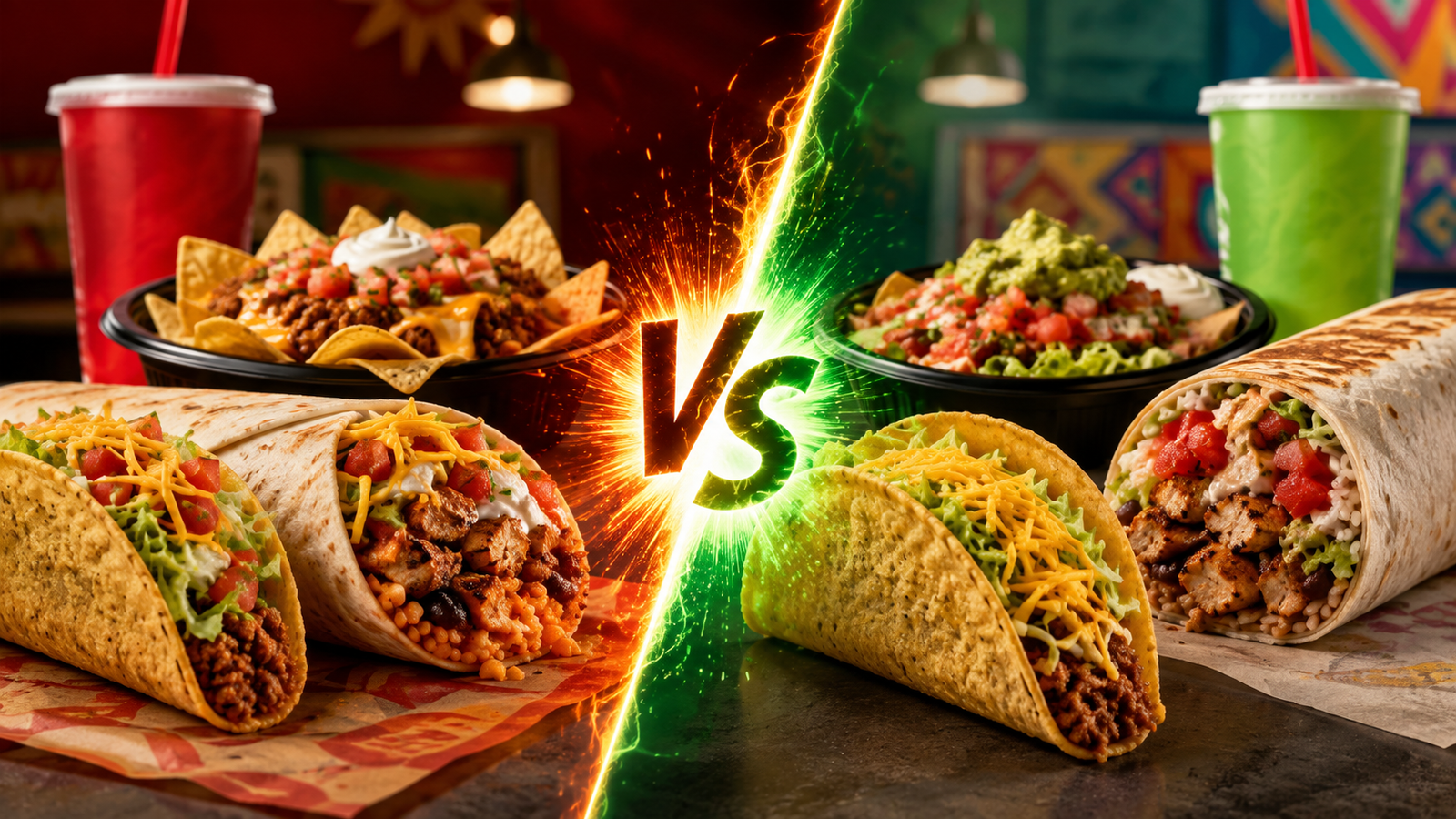
Which fast-food destination truly delivers the better Mexican-style experience?
The answer depends on several factors, including menu variety, food quality, pricing, customer service, customization, and overall dining satisfaction. This article explores these elements to determine what separates an average fast-food restaurant from an outstanding one.
Understanding the Appeal of Mexican-Style Fast Food
Mexican-inspired fast food stands out because it combines bold flavors with simple ingredients. Most dishes include a mixture of proteins, vegetables, cheese, tortillas, beans, and sauces.
Several factors explain its popularity.
Rich and Bold Flavors
Mexican-style food uses a combination of spices that creates a memorable taste. Ingredients such as chili peppers, cumin, garlic, cilantro, and lime provide layers of flavor that appeal to many customers.
Endless Customization
Unlike many traditional fast-food meals, Mexican-inspired dishes often allow customers to build their own combinations. People can select their preferred protein, toppings, sauces, and side dishes.
Convenient Dining
Most menu items are portable and easy to eat. Burritos, tacos, and quesadillas fit perfectly into a busy lifestyle.
Menu Variety Matters
A restaurant’s menu plays an important role in the overall dining experience. Customers expect variety without becoming overwhelmed by too many options.
Tacos
Tacos remain the foundation of Mexican-style fast food. Different shell types, proteins, and toppings create countless possibilities.
Soft tacos provide a tender bite, while hard-shell tacos deliver a satisfying crunch.
Burritos
Burritos appeal to customers looking for a filling meal. The best restaurants balance ingredients carefully instead of simply increasing portion sizes.
Bowls and Salads
Health-conscious diners often prefer bowls and salads because they offer many of the same ingredients without the extra calories found in fried shells.
Limited-Time Items
Seasonal menu additions help restaurants remain competitive. New flavors encourage customers to return and try different options.
Food Quality Makes the Biggest Difference
Speed alone does not guarantee customer satisfaction. Ingredient quality often determines whether customers become loyal visitors.
Fresh Ingredients
Fresh vegetables provide better texture and flavor. Crisp lettuce, ripe tomatoes, and freshly prepared salsa improve every meal.
Protein Preparation
Protein serves as the centerpiece of many Mexican-inspired dishes. Grilled chicken, seasoned beef, and slow-cooked pork should remain tender and flavorful.
Sauce Selection
Sauces often separate great restaurants from average ones. Mild, medium, and hot options allow customers to control the heat level of their meals.
Pricing and Value Influence Customer Decisions
Many customers compare restaurants based on value rather than price alone.
Portion Size
A larger meal does not always represent better value. A reasonably sized meal made with quality ingredients often provides greater satisfaction.
Combo Meals
Combination meals continue to attract budget-conscious diners. Bundled options allow customers to enjoy multiple items while saving money.
Special Promotions
Discount programs and loyalty rewards encourage repeat business. Mobile applications have made it easier for restaurants to offer personalized deals.
Customization Creates a Better Dining Experience
One reason Mexican-inspired fast food remains successful is the ability to personalize meals.
Dietary Preferences
Modern consumers follow many different eating habits. Vegetarian, high-protein, and low-carbohydrate options help restaurants serve a wider audience.
Spice Control
Not everyone enjoys the same level of heat. Flexible seasoning options allow customers to create meals that match their preferences.
Ingredient Choices
The ability to remove or add ingredients increases customer satisfaction. Some people want extra cheese, while others prefer additional vegetables.
Customer Service Still Matters
Food quality remains important, but customer service can influence a person’s overall opinion of a restaurant.
Speed of Service
Long waiting times can negatively affect the dining experience. Fast-food restaurants must maintain efficiency during busy periods.
Order Accuracy
Incorrect orders frustrate customers and reduce trust. Accurate meal preparation demonstrates attention to detail.
Cleanliness
A clean dining environment reflects a restaurant’s commitment to quality. Customers notice clean tables, organized counters, and properly maintained facilities.
The Role of Technology in Modern Fast Food
Technology has transformed the restaurant industry during the past decade.
Mobile Ordering
Mobile applications simplify the ordering process. Customers can browse menus, customize meals, and pay without standing in line.
Digital Rewards Programs
Loyalty programs encourage repeat visits by offering discounts and exclusive promotions.
Delivery Services
Food delivery has expanded the reach of many restaurants. Customers can now enjoy their favorite meals without leaving home.
Brand Recognition Versus Local Loyalty
Large chains benefit from national recognition, but smaller regional restaurants often develop stronger community relationships.
Many customers prefer supporting local businesses because they believe smaller restaurants provide more personalized service.
At the same time, established chains benefit from consistency. Customers know what to expect regardless of location.
In discussions about Mexican-style fast food, brands such as Taco Bell often represent the standard against which other restaurants are measured. However, popularity does not automatically determine quality. Personal taste remains the deciding factor.
How Consumers Can Choose the Best Fast-Food Destination
Selecting the best restaurant requires more than comparing advertisements.
Consider these factors before making a decision:
Compare Menu Options
Look beyond tacos and burritos. Explore side dishes, beverages, desserts, and specialty items.
Evaluate Freshness
Fresh ingredients usually create a more enjoyable meal.
Read Customer Reviews
Reviews can provide valuable insights into food quality and customer service.
Test Multiple Restaurants
The best way to identify a favorite destination is to try different restaurants and compare the experience.
The Future of Mexican-Style Fast Food
Consumer expectations continue to evolve.
Restaurants are expanding healthier menu options, improving ingredient transparency, and investing in digital technology. Sustainability has also become a growing concern.
Future success will depend on balancing tradition with innovation.
Restaurants that maintain authentic flavors while adapting to changing customer preferences will likely remain competitive.
FAQs
What makes Mexican-style fast food so popular?
Its bold flavors, affordable prices, and customizable meals attract a wide range of customers.
Which menu item is usually the most popular?
Tacos remain the most popular choice at most Mexican-inspired fast-food restaurants.
Is customization important in fast food?
Yes, customization allows customers to create meals that match their dietary preferences and taste.
Do local restaurants compete with national chains?
Yes, many local restaurants successfully compete by offering unique menu items and personalized service.
What factors should customers consider when choosing a restaurant?
Food quality, pricing, customer service, menu variety, and freshness should all influence the decision.
Conclusion
The debate over which fast-food destination delivers the better Mexican-style experience has no universal answer. Every restaurant offers a unique combination of flavors, service, pricing, and menu variety.
Some customers prioritize affordability, while others focus on ingredient quality or customization. The ideal choice depends on individual preferences.
What remains clear is that Mexican-inspired fast food continues to thrive because it offers convenience without sacrificing flavor. As competition increases, consumers ultimately benefit from better choices, improved quality, and more exciting menu options.