Honestly, the whole idea of a Michelin-star restaurant way out here still catches people off guard. They roll up the coast for the scenery, the little towns, maybe a hike, and then someone mentions there’s a two-star spot tucked into a cliffside in Elk. Population maybe two hundred. No downtown, no valet line, no scene. And that’s exactly why it works.
The best food up here doesn’t feel like it got dropped in from somewhere else. It feels like it grew out of the dirt and the fog and the cold water. That’s what sticks with you afterward. Not just the meal. The whole strange, quiet context around it.
It’s not trying to be the city
Michelin dining near Mendocino doesn’t do the things city restaurants have to do. There’s no theater district crowd to feed by 7 pm. No one’s checking a watch. The room is small. The server has probably been there for years. You can tell. They don’t recite the menu like a script. They talk about the fisherman like a neighbor because he is one. That shift in tone changes the whole night. You stop performing “fancy dinner” and just settle in.
Places like this lean on intimacy. Ten tables maybe. A view of the Pacific doing its thing. Coastal fine dining up here isn’t about velvet ropes. It’s about knowing the diver went out that morning. A fine dining Mendocino experience gets its luxury from attention, not from thread count. That’s what makes a memorable Michelin dining experience.
The land won’t let you ignore it
The Mendocino Coast is dramatic in a way that makes cooking feel almost unfair. You’ve got cliffs dropping into the ocean. Redwoods in the rearview. Fog that erases the horizon then burns off in an hour. The produce doesn’t grow fast here. Cool nights, salt air, weird soil. That stress concentrates flavor in ways a warm valley can’t replicate.
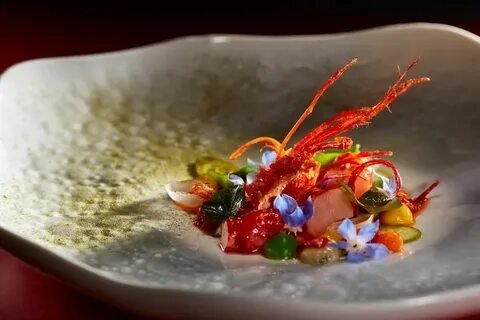
Chefs who commit to hyper-local cuisine in a spot like this have an easier job in some ways. The ingredients do half the work. Wild mushrooms in fall. Dungeness crab showing up when the water gets cold. Sea urchin when a diver gets lucky. Coastal cuisine built around seasonal ingredients shifts with no apology. August tastes nothing like January. You can’t get attached to a dish. It’ll be gone next time. That unpredictability is part of the pull. Mendocino restaurants worth the drive are the ones that accept this rather than fighting it.
What a star means, practically
The Michelin Guide looks at five things. Ingredient quality, technique, harmony, the chef’s personality on the plate, and consistency. That last one is the killer. Lots of kitchens can nail a dish once. Doing it every single night, for every single table, that’s the separator. One star means worth a stop. Two means worth a detour. Three means worth a journey. Most spots have one or two. The ones that last share a clear identity and a refusal to be generic. Many of the best Michelin-starred restaurants today also lean hard into seasonality, sustainable gastronomy, and tasting like the region they sit in.
Harbor House Inn is the reason people detour here
The inn went up in 1916 in Elk. It’s perched on a bluff. The Pacific fills the windows. Chef Matthew Kammerer runs the kitchen with two Michelin Stars and a Michelin Green Star. The dining room is small. Quiet. The kind of quiet luxury where nobody’s performing. You just eat and look at the water and eat some more.
Hyper-local cuisine here is the real thing. A 320-acre ranch supplies produce, herbs, eggs. The ocean is right there. The daily menu moves with what’s available. Urchin if the diver got enough. Rockfish when it’s running. Wild fennel from the cliffs. Chef Matthew Kammerer doesn’t have a signature dish he’s clinging to. He has a place. The kitchen adapts to the morning’s phone calls. Ingredient-driven cuisine in this context feels natural, not forced. Personalized hospitality means someone noticed you don’t love heavy cream and a course just quietly adjusts. No production. Just awareness.
Sustainability that actually matters
The Michelin Green Star isn’t a sticker for recycling. It’s for kitchens that build their operations around environmental thinking. Harbor House Inn runs on renewables. Water gets conserved. Waste feeds the ranch soil. Sustainable gastronomy here improves the food directly. Seafood from small boats using careful methods tastes better. Vegetables from living soil have more character. The whole thing is a loop. Guests feel it. A fine dining experience doesn’t require excess. Quiet luxury means the lights run on solar and the butter came from a farm regenerating its land.
Staying over is half the point
You could drive back after dinner. People try. But oceanfront accommodations change the whole arc. The meal doesn’t really stop. You walk outside, and the stars are out, and the waves are still crashing. You sleep deeper than you have in months. Wake up to fog and a breakfast that came from the same ranch. Luxury hospitality here is about removal. Removing hurry. Removing noise. Removing the sense you should be somewhere else. Destination dining becomes a full experience when you don’t rush off. The meal and the stay blend.
Practical stuff
Book way ahead. The inn fills up. Visit in different seasons if you can. January here is rain on the glass, root vegetables, rich broths. August is tomatoes and stone fruit and bright salads. Both matter. Drive Highway 1 slow. Stop at pullouts. Let the road set the tone before you arrive. Plan to stay overnight. The best Michelin dining experiences near Mendocino aren’t built for speed. They’re built for sinking in.
What you’ll actually remember
You won’t remember every course. You’ll remember the light over the water. A bite that surprised you. The server who seemed to know what you needed before you did. You’ll remember feeling like the coast was part of the meal, not just a backdrop. Harbor House Inn does that as well as anywhere on this coastline. No grand gestures. Just daily choices. Good ingredients. Real care. A connection to the land and water that can’t be faked. The meal was excellent. But what stays with you is that it belonged exactly where it was. You’ll be back in traffic days later still thinking about that bluff.