Introduction
The crawlspace is one of the most overlooked areas of a home, yet it plays a significant role in the overall health, comfort, and structural stability of the entire property. Located beneath the main living area, a crawlspace houses important structural components, plumbing lines, electrical systems, and HVAC equipment. Because it is often hidden from view, homeowners rarely inspect this area until problems become severe. Excess moisture, poor ventilation, standing water, mold growth, wood rot, and pest infestations can all develop inside an unprotected crawlspace, eventually affecting the air quality, energy efficiency, and structural integrity of the home above. Addressing these issues before they become major problems is essential for protecting one of the home’s most valuable investments.
One of the most effective methods for creating a clean, dry, and healthy crawlspace is encapsulation. Rather than simply repairing visible moisture problems, crawlspace encapsulation creates a controlled environment that helps prevent humidity, water vapor, and outside contaminants from entering the space. Modern encapsulation systems combine durable vapor barriers, moisture control solutions, insulation improvements, and professional sealing techniques to provide long-lasting protection. Homeowners who invest in crawlspace encapsulation often experience improved indoor comfort, lower energy costs, healthier air quality, and greater confidence that their home’s structural components are protected from unnecessary moisture damage.
Understanding Crawlspace Encapsulation
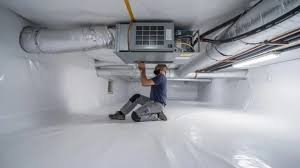
Crawlspace encapsulation is a comprehensive moisture control system designed to isolate the crawlspace from the outside environment. Unlike traditional crawlspaces that remain exposed to soil moisture, outside air, and seasonal humidity, an encapsulated crawlspace is carefully sealed using specialized materials that help maintain consistent environmental conditions throughout the year. The process typically includes installing a heavy-duty vapor barrier across the crawlspace floor and walls, sealing foundation vents, insulating critical areas, and improving drainage where necessary. Some systems also include dehumidifiers to maintain proper humidity levels and further reduce the risk of moisture-related problems.
The purpose of encapsulation extends far beyond simply making the crawlspace look cleaner. Moisture naturally rises from exposed soil beneath a home, allowing water vapor to enter the crawlspace continuously. As humidity levels increase, wood framing absorbs moisture, insulation loses effectiveness, and mold begins to develop. Encapsulation interrupts this cycle by creating a protective barrier that minimizes moisture infiltration while helping maintain a stable environment beneath the home. This proactive approach addresses the root causes of crawlspace deterioration instead of merely treating visible symptoms after damage has already occurred.
Why Crawlspaces Develop Moisture Problems
Moisture accumulation inside crawlspaces occurs for several reasons, and understanding these causes helps homeowners appreciate the importance of professional encapsulation. Groundwater naturally evaporates from exposed soil, introducing large amounts of humidity into the enclosed space beneath the home. During periods of heavy rainfall, poor drainage around the foundation allows additional moisture to enter through foundation walls or low areas where standing water can collect. Open foundation vents, once believed to improve airflow, often allow warm, humid outdoor air to enter the crawlspace where it condenses on cooler structural surfaces.
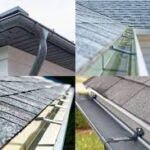
Plumbing leaks, damaged drainage systems, clogged gutters, and improperly directed downspouts further contribute to excessive moisture beneath the home. Seasonal weather changes also affect crawlspaces as temperature differences create condensation on pipes, ductwork, and wooden framing. Without proper moisture control, these conditions remain present year after year, gradually causing structural deterioration that often remains hidden until significant damage becomes visible inside the home.
Common Warning Signs of Crawlspace Problems
Although the crawlspace is hidden beneath the home, moisture-related issues frequently produce warning signs that homeowners can recognize before major structural damage develops. One of the earliest indicators is a persistent musty odor that seems strongest near floors or lower levels of the home. This smell often results from mold or mildew growing inside the crawlspace where excess humidity creates ideal conditions for biological growth.
Homeowners may also notice sagging or uneven floors caused by moisture-damaged floor joists losing structural strength over time. Increased indoor humidity, condensation on windows, peeling flooring materials, and unexplained allergy symptoms may also suggest crawlspace moisture problems. Pest infestations become more common because insects and rodents are attracted to damp environments that provide shelter and easy access beneath the home. Even rising energy bills may indicate crawlspace issues, as damp insulation loses its ability to regulate indoor temperatures efficiently. Recognizing these warning signs early allows homeowners to address moisture problems before expensive repairs become necessary.
How Crawlspace Encapsulation Protects Your Home
Encapsulation provides multiple layers of protection that work together to create a healthier and more durable home. By sealing the crawlspace from outside air and ground moisture, the system significantly reduces humidity levels beneath the structure. Lower humidity helps prevent mold growth, discourages wood rot, protects insulation, and reduces the likelihood of pest infestations that thrive in damp environments. Maintaining a dry crawlspace also protects important structural components that support the home’s flooring system, preserving long-term stability and reducing the risk of expensive structural repairs.
Another important advantage is improved indoor air quality. Air naturally moves upward through a home in a process commonly known as the stack effect, meaning that air from the crawlspace often enters the living areas above. If the crawlspace contains excessive moisture, mold spores, or unpleasant odors, these contaminants may circulate throughout the home. Professional crawlspace encapsulations help eliminate this source of contamination by creating a clean, controlled environment beneath the structure, contributing to healthier indoor air for the entire household.
Energy Efficiency Benefits
Many homeowners are surprised to learn how much an unsealed crawlspace can affect heating and cooling costs. Moisture-damaged insulation loses much of its insulating ability, allowing conditioned indoor air to escape while permitting outside temperatures to influence the home’s interior more easily. Gaps around foundation vents and crawlspace openings also allow uncontrolled airflow that forces HVAC systems to work harder throughout the year.
Encapsulation helps improve energy efficiency by reducing air leakage, protecting insulation from moisture damage, and maintaining more stable temperatures beneath the home. As a result, heating and cooling systems often operate more efficiently, reducing wear while helping homeowners lower monthly utility expenses. Improved energy performance becomes especially noticeable during periods of extreme weather when maintaining indoor comfort would otherwise require greater energy consumption.
Why Professional Installation Matters
Although some homeowners consider installing moisture barriers themselves, professional encapsulation provides a level of protection that is difficult to achieve with basic materials alone. Experienced contractors begin by performing a complete inspection of the crawlspace to identify existing moisture problems, drainage issues, structural concerns, plumbing leaks, and areas requiring repair before encapsulation begins. Simply covering existing problems with plastic sheeting does not eliminate underlying damage and may actually trap moisture if the space is not properly prepared.
Professional installation includes careful sealing of seams, proper attachment of vapor barriers to foundation walls, drainage improvements where necessary, and recommendations for humidity control systems when conditions require additional moisture management. This comprehensive approach ensures the encapsulation system performs effectively for many years while protecting the home’s structural components from future moisture-related deterioration.
The Role of Vapor Barriers in Crawlspace Encapsulation
A vapor barrier is one of the most important components of a complete crawlspace encapsulation system because it serves as the primary defense against ground moisture. Even when the soil beneath a home appears dry, it continuously releases water vapor into the crawlspace. Over time, this invisible moisture raises humidity levels, encourages mold growth, and weakens wooden structural components. A professionally installed vapor barrier is designed to cover the crawlspace floor completely while extending up the foundation walls to create a continuous seal that blocks moisture from entering the enclosed space.
Professional-grade vapor barriers are significantly thicker and more durable than ordinary plastic sheeting. They are engineered to resist punctures, tearing, and long-term wear while maintaining their effectiveness for many years. Contractors carefully seal seams, edges, and corners to eliminate gaps where moisture could enter. By creating a complete moisture barrier rather than leaving exposed sections of soil, the encapsulation system provides reliable protection that supports healthier indoor air quality and greater structural stability throughout the home.
Drainage Systems That Enhance Encapsulation Performance
Although encapsulation prevents moisture from entering the crawlspace through evaporation, effective drainage remains essential for managing groundwater around the home’s foundation. If water is allowed to accumulate beneath or around the crawlspace, excessive hydrostatic pressure may eventually compromise the integrity of the encapsulation system. For this reason, professional contractors carefully evaluate drainage conditions before completing the installation.
Depending on the property’s needs, drainage improvements may include interior perimeter drains, French drains, sump pump systems, or grading adjustments that direct rainwater away from the foundation. Gutters and downspouts are also inspected to ensure they move roof runoff safely away from the home. When these drainage improvements work together with encapsulation, they create a comprehensive moisture management system that protects the crawlspace from both groundwater and excess humidity throughout every season.
Why Dehumidification Completes the System
Even after a crawlspace has been professionally sealed, controlling humidity remains an important part of maintaining a healthy environment beneath the home. Small amounts of moisture may still enter through construction materials or seasonal temperature changes, making humidity control beneficial for long-term performance. A properly sized crawlspace dehumidifier helps maintain consistent humidity levels that discourage mold growth, reduce condensation, and protect wooden framing from excessive moisture absorption.
Professional dehumidifiers designed specifically for crawlspaces operate more efficiently than portable household units and are built to perform reliably in enclosed environments. Maintaining balanced humidity not only preserves the encapsulation system but also improves indoor comfort throughout the home. Lower humidity levels reduce musty odors, create healthier air, and support the efficient operation of heating and cooling equipment that may be installed within the crawlspace.
Protecting Structural Components
One of the greatest long-term benefits of encapsulation is the protection it provides for the structural components supporting the home. Floor joists, beams, subflooring, and support posts are all vulnerable to moisture damage when humidity levels remain elevated for extended periods. Wood naturally absorbs moisture from the surrounding air, and continuous exposure can eventually lead to rot, warping, and loss of structural strength.
By maintaining a dry and controlled crawlspace environment, encapsulation helps preserve these essential structural elements while reducing the likelihood of costly repairs in the future. Metal components such as fasteners, support brackets, and HVAC equipment also benefit from reduced humidity because lower moisture levels minimize corrosion and extend the lifespan of important building systems. Protecting these hidden structural elements contributes directly to the overall durability and stability of the home.
Routine Maintenance After Encapsulation
Although crawlspace encapsulation is designed to provide long-lasting protection, periodic maintenance helps ensure the system continues performing at its highest level. Homeowners should schedule regular inspections to verify that the vapor barrier remains securely attached and free from damage. Any tears or punctures should be repaired promptly to prevent moisture from entering beneath the protective barrier.
Drainage systems should also be inspected to ensure water continues flowing away from the foundation without obstruction. If a sump pump is installed, it should be tested regularly to confirm reliable operation during periods of heavy rainfall. Dehumidifier filters should be cleaned or replaced according to the manufacturer’s recommendations to maintain efficient humidity control. Routine maintenance requires relatively little effort but significantly extends the effectiveness of the encapsulation system while helping homeowners avoid unnecessary repair expenses.
Common Mistakes Homeowners Should Avoid
One of the most common mistakes homeowners make is attempting to solve crawlspace moisture problems by installing thin plastic sheets without addressing existing drainage or structural concerns. While this approach may temporarily cover exposed soil, it does not eliminate the underlying causes of excessive moisture and often allows mold growth to continue beneath the barrier. Another frequent mistake is ignoring standing water or plumbing leaks before encapsulation begins. Moisture trapped beneath a newly installed barrier can continue causing damage if these issues are not corrected first.
Some homeowners also delay encapsulation because crawlspace problems remain hidden from daily view. Unfortunately, moisture-related damage often progresses silently for years before becoming visible inside the living space. By the time sagging floors, mold growth, or structural deterioration become noticeable, repairs may be far more extensive than if preventive encapsulation had been completed earlier. Working with experienced professionals helps avoid these costly mistakes while ensuring every aspect of the crawlspace receives proper attention.
Choosing an Experienced Encapsulation Contractor
Selecting the right contractor is one of the most important decisions in any crawlspace improvement project. Experienced professionals begin with a detailed inspection to identify moisture sources, drainage concerns, insulation problems, and structural issues before recommending an encapsulation system. Rather than offering identical solutions for every property, reputable contractors customize their approach based on the home’s specific conditions and long-term needs.
Homeowners should look for companies with extensive experience, positive customer feedback, high-quality materials, and strong workmanship warranties. Clear communication, transparent pricing, and comprehensive inspections demonstrate a commitment to delivering reliable results rather than temporary repairs. A professionally installed Crawlspace encapsulations system provides lasting value only when every stage of the installation is completed with careful attention to detail.
Long-Term Benefits for Homeowners
Investing in professional crawlspace encapsulation offers benefits that continue for many years after installation. A dry crawlspace helps improve indoor air quality, reduces the risk of mold growth, protects structural components, increases energy efficiency, and discourages pests from entering the home. Homeowners often notice greater indoor comfort because heating and cooling systems operate more efficiently in a properly sealed environment.
From a financial perspective, encapsulation also helps preserve property value by protecting one of the home’s most important structural areas from moisture-related deterioration. Buyers increasingly recognize the value of homes that have documented moisture control systems because they reduce the likelihood of future repairs. Professional crawlspace encapsulations represent a proactive investment that improves both the health of the home and its long-term market appeal.
Conclusion
A crawlspace may remain out of sight, but its condition has a direct impact on the safety, comfort, efficiency, and durability of the entire home. Moisture, humidity, mold, pests, and structural deterioration often begin beneath the floor long before visible symptoms appear inside the living space. Professional crawlspace encapsulation addresses these challenges by creating a sealed, dry, and controlled environment that protects essential structural components while improving indoor air quality and energy performance.
Choosing professional crawlspace encapsulations is a smart long-term investment for homeowners who want to protect their property from avoidable moisture damage. With high-quality vapor barriers, effective drainage systems, humidity control, and routine maintenance, an encapsulated crawlspace provides lasting protection that supports a healthier, stronger, and more energy-efficient home for years to come.