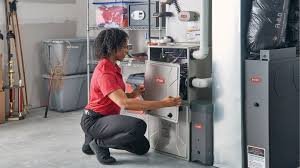
A furnace plays an important role in maintaining a comfortable indoor environment, especially when temperatures become colder and the heating system is required to operate for extended periods. Although modern furnaces are designed to provide dependable performance, they still require proper attention to remain efficient and reliable over time. Dust accumulation, restricted airflow, worn components, electrical problems, thermostat issues, and normal mechanical wear can gradually affect the way a furnace operates. Some problems may develop slowly and remain unnoticed until they begin affecting comfort or energy consumption. Regular furnace maintenance provides an opportunity to inspect the system, identify developing concerns, improve operational efficiency, and help prevent unexpected breakdowns. Understanding how maintenance works, what common problems can affect a furnace, and why professional service matters can help property owners protect their heating equipment and make better decisions about repairs, upgrades, and long-term system care.
Why Furnace Maintenance Is Important
A furnace may continue producing heat even when certain components are no longer operating at their best. This can make it easy to assume that everything is working properly when hidden problems are gradually reducing efficiency or increasing wear. A dirty filter, restricted airflow pathway, loose electrical connection, or worn blower component can cause the system to work harder than necessary. Over time, this additional strain may increase energy consumption and contribute to premature component failure. Routine professional inspections allow technicians to examine the heating system before minor concerns become larger and more expensive problems. Proper care can also help maintain consistent indoor temperatures and reduce the likelihood of unexpected interruptions during periods of heavy use. Instead of waiting until a furnace stops working completely, property owners can use preventive service to monitor system condition and address issues while they are still manageable.
Understanding How a Furnace Works
A furnace contains several components that must operate together to produce and distribute heat effectively. Depending on the equipment type, the system may include burners, a heat exchanger, blower motor, ignition components, filters, sensors, electrical controls, safety switches, thermostat controls, and duct connections. Each component has a specific purpose, and a problem with one part can affect the performance of other parts. For example, a restricted filter can reduce airflow and make the blower work harder, while a thermostat problem can cause unnecessary cycling. Mechanical components can also experience normal wear after repeated operation. Understanding the role of these parts explains why professional maintenance involves more than simply replacing an air filter. A complete inspection examines the overall condition of the heating system and determines whether components are operating as intended. This broader approach can help identify problems that might otherwise remain unnoticed until they cause noticeable performance issues.
The Role of Furnace Filters
The filter is one of the simplest components associated with routine furnace care, but it has a significant effect on airflow and system performance. Its primary purpose is to capture airborne particles before they move through the heating equipment and indoor air distribution system. As the filter collects dust and debris, it can eventually become restricted. A heavily restricted filter makes it more difficult for air to move through the furnace, which may cause longer operating cycles, reduced airflow, uneven temperatures, and additional strain on the blower motor. Filters should be checked regularly and replaced or cleaned according to the manufacturer’s recommendations and the conditions of the property. Buildings with pets, renovation activity, excessive dust, or other airborne particles may require more frequent filter attention. While replacing the filter is an important responsibility for property owners, it does not replace professional service because many other furnace components require specialized inspection and care.
Common Furnace Problems
Furnaces can experience a variety of problems as they age or operate under demanding conditions. Some issues are relatively minor, while others may affect safety, efficiency, or the reliability of the entire system. Common concerns include dirty filters, restricted airflow, thermostat malfunctions, ignition problems, worn blower motors, electrical issues, unusual cycling, and problems with certain internal components. A furnace that repeatedly turns on and off may be experiencing an airflow, thermostat, sizing, or control problem. Weak airflow may indicate a dirty filter, duct restriction, blower issue, or another system-related concern. Unusual sounds can also provide clues about mechanical problems. Property owners should pay attention to changes in normal operation rather than assuming that every unusual symptom is harmless. Early professional evaluation can help determine the source of a problem and prevent unnecessary stress on other components.
Recognizing Warning Signs
Many furnace problems provide warning signs before they result in complete system failure. Unusual noises such as rattling, grinding, squealing, banging, or humming may indicate mechanical or electrical concerns. Frequent cycling can suggest issues involving airflow, thermostat operation, equipment sizing, or system controls. Uneven temperatures throughout the property may point toward ductwork restrictions, inadequate airflow, insulation concerns, or furnace performance problems. Unexpected odors, delayed startup, weak airflow, or unexplained increases in energy consumption should also receive attention. During professional furnace maintenance, technicians can evaluate these symptoms and determine whether they are caused by a simple issue or a more significant component problem. Responding to warning signs early may reduce the likelihood of additional damage and can sometimes prevent a minor repair from becoming a costly replacement.
Improving Energy Efficiency
Energy efficiency is an important consideration for anyone operating a heating system. A furnace that is dirty, restricted, incorrectly adjusted, or experiencing mechanical problems may require more energy to provide the same level of heating. Reduced airflow can force the system to operate for longer periods, while worn components may prevent the furnace from performing as efficiently as intended. Professional service can identify conditions that contribute to unnecessary energy use and provide recommendations for improving performance. Maintaining clean filters, keeping vents unobstructed, checking airflow, inspecting system components, and ensuring proper thermostat operation can all support more efficient heating. Property owners should also understand that maintenance alone cannot overcome every efficiency limitation. An aging furnace may naturally become less efficient than a newer model, but regular care can help prevent avoidable performance losses and provide valuable information about when replacement may make better financial sense.
Checking the Blower Motor
The blower motor is responsible for moving heated air through the ductwork and into different areas of the property. Because it operates whenever the heating system distributes air, it can experience significant use over time. Dust accumulation, mechanical wear, electrical problems, or other issues may reduce blower performance. A weakened blower can lead to poor airflow, inconsistent temperatures, longer operating cycles, and increased stress on other furnace components. During routine service, technicians can inspect the blower assembly and evaluate whether it is operating properly. Depending on the equipment design and condition, cleaning or other maintenance may be necessary. Property owners may notice blower-related problems through unusual sounds or reduced airflow from supply vents. Addressing these symptoms promptly can help maintain efficient air circulation and prevent the furnace from working harder than necessary.
Maintaining Proper Airflow
Proper airflow is essential for efficient furnace operation because the system depends on a steady movement of air through the return and supply pathways. Several factors can interfere with airflow, including dirty filters, blocked vents, damaged ductwork, undersized ducts, closed registers, and blower problems. When airflow becomes restricted, the furnace may operate longer and experience greater stress. Poor airflow can also create temperature differences between rooms, making some areas uncomfortable while others become warmer than necessary. Professional technicians can evaluate the system and identify potential restrictions that may be affecting performance. Property owners can help by keeping registers clear, checking filters regularly, and avoiding furniture or other objects that block important airflow pathways. Maintaining appropriate airflow is one of the simplest ways to support better comfort and reduce unnecessary strain on the heating system.
Thermostat Problems and Temperature Control
The thermostat serves as the control center for many heating systems, determining when the furnace should start and stop based on indoor temperature. A thermostat that is incorrectly positioned, poorly calibrated, damaged, or incompatible with the equipment may cause inaccurate readings or unnecessary cycling. During professional service, technicians can evaluate thermostat operation and confirm that it communicates properly with the furnace. The location of the thermostat also matters because direct sunlight, drafts, nearby heat sources, or other environmental influences can affect its readings. Modern programmable or smart thermostats may provide additional scheduling and control features, but compatibility should be confirmed before installation. Proper thermostat operation can help reduce unnecessary furnace cycles and contribute to more consistent indoor comfort. Maintaining the thermostat as part of the overall heating system is therefore important for both efficiency and reliable temperature control.
Electrical System Inspection
Many furnace functions depend on electrical components, including motors, controls, sensors, ignition systems, switches, and thermostat communication. Electrical connections can loosen over time, and certain components may deteriorate through repeated use. These problems can cause intermittent operation, unexpected shutdowns, startup difficulties, or complete system failure. Professional inspection allows technicians to evaluate relevant electrical components and identify signs of wear or malfunction. Electrical repairs should not be attempted without appropriate training because incorrect work can create equipment damage or safety risks. A qualified technician can determine whether a component needs adjustment, repair, or replacement and can test the system afterward. Regular inspection of electrical components can help maintain dependable operation and reduce the likelihood of unexpected problems during periods when the furnace is working heavily.
Safety Considerations
Heating equipment should always be operated with safety in mind because furnaces may involve electricity, high temperatures, moving parts, combustion, fuel, and ventilation systems. Certain types of furnaces require particular attention to combustion and exhaust-related components to ensure that the system operates correctly. Professional inspections can identify conditions that may affect safe operation and allow technicians to recommend appropriate action. Property owners should never ignore unusual odors, repeated ignition problems, visible damage, abnormal sounds, or other significant changes in system behavior. Complicated internal repairs should be handled by qualified professionals rather than attempted without the proper knowledge and equipment. Regular inspections provide an opportunity to evaluate important safety-related components and help ensure that the furnace continues to operate according to appropriate requirements. Safety should always remain a central part of responsible heating system care.
Extending Equipment Lifespan
A furnace represents a substantial investment, so property owners naturally want to receive as many reliable years of service as possible. Regular care can help reduce unnecessary stress on components and identify developing problems before they become major failures. A furnace that operates with restricted airflow, dirty components, or malfunctioning controls may experience greater wear than a properly maintained system. Professional furnace maintenance can help keep important components in appropriate working condition and provide information about the system’s overall health. Although maintenance cannot prevent normal aging, it can help maximize the useful life of the equipment. Property owners can further support longevity by replacing filters, maintaining clear airflow pathways, responding quickly to unusual symptoms, and following recommended service intervals. A proactive approach is generally more effective than waiting for repeated breakdowns before taking action.
Benefits of Preventive Service
Preventive service allows property owners to address potential problems before they become emergencies. Waiting until a furnace stops working completely can lead to inconvenience, uncomfortable indoor conditions, and potentially higher repair costs. During a preventive inspection, technicians can examine major components, evaluate system operation, check airflow, inspect electrical connections, and identify signs of wear. This does not guarantee that a furnace will never experience an unexpected failure, but it can reduce the likelihood of problems caused by neglected maintenance. Preventive service can also provide useful information about future repair needs. If a technician notices that a particular component is becoming worn, the property owner may have an opportunity to plan for its replacement instead of dealing with an unexpected breakdown. This makes preventive care valuable not only for system reliability but also for budgeting and long-term planning.
Choosing a Qualified Professional
The quality of service can have a direct effect on furnace performance, which makes choosing a qualified professional an important part of responsible system care. Property owners should look for technicians with relevant training, experience, and a clear understanding of different furnace systems. A professional should inspect the equipment carefully, explain any problems discovered, and provide understandable recommendations. Customers should be able to distinguish between necessary repairs and optional improvements so they can make informed decisions. During furnace maintenance, a qualified technician should examine the major components that influence safety, efficiency, airflow, and reliability rather than focusing on only one visible issue. Good communication is also important because property owners need to understand the condition of their equipment and what actions may be recommended. Selecting an experienced professional can provide greater confidence that maintenance is being completed thoroughly and appropriately.
Creating a Maintenance Schedule
A consistent maintenance schedule makes it easier to keep a furnace in good working condition. The appropriate frequency can vary depending on the equipment type, age, operating conditions, usage, and manufacturer recommendations. Property owners should also perform simple routine tasks between professional visits, particularly checking filters and ensuring that vents and registers remain unobstructed. Seasonal inspections can be useful because they provide an opportunity to identify potential problems before extended heating use begins. Keeping records of service visits, repairs, replaced components, and recurring symptoms can also help track the system’s condition. Over time, maintenance records can reveal patterns that may indicate whether the furnace is becoming less reliable or whether certain components repeatedly require attention. A planned schedule provides a more organized approach to system care and reduces the likelihood that important maintenance will be forgotten.
When Repairs Become Necessary
Even with consistent care, furnaces may eventually require repairs as components wear or unexpected problems develop. Property owners should not automatically assume that every repair means the entire furnace needs replacement. Many issues can be corrected effectively when they are identified early. The decision to repair should consider the age of the equipment, the severity of the problem, repair cost, previous service history, efficiency, and expected remaining service life. A professional evaluation can help determine whether repairing the existing system is practical or whether replacement would provide better long-term value. Prompt repairs can also prevent a damaged component from placing additional stress on other parts of the furnace. Ignoring a known problem may increase the eventual cost of service, especially if the issue continues to affect system operation.
Considering Furnace Replacement
Every furnace eventually reaches a point where replacement becomes more practical than continued repair. Frequent breakdowns, rising operating costs, declining efficiency, expensive component failures, and an aging system may all indicate that replacement should be considered. However, age alone should not determine the decision. The actual condition and performance of the equipment are equally important. A professional technician can evaluate the repair history, efficiency, component condition, and expected remaining service life before making a recommendation. If repairs are becoming frequent and the system is no longer providing dependable performance, investing in a newer model may offer improved efficiency and reliability. A history of regular maintenance can also help property owners make this decision because it provides useful information about how the furnace has performed over time.
Long-Term Value of Furnace Care
Regular care provides value beyond preventing immediate breakdowns because it supports the overall performance and condition of the heating system. When a furnace receives appropriate attention, property owners have a better opportunity to identify efficiency losses, worn components, airflow restrictions, and other problems before they become severe. Professional service can also provide recommendations for improving comfort and reducing unnecessary energy use. While no heating system can operate indefinitely without replacement, consistent care can help maximize the useful service it provides. Property owners can further protect their investment by combining professional inspections with simple daily habits such as changing filters, keeping vents clear, monitoring system behavior, and responding quickly to unusual symptoms. Long-term furnace care is therefore best viewed as an ongoing responsibility rather than a single service appointment.
Final Thoughts
A furnace is an important investment in indoor comfort, and its performance depends on more than the quality of the equipment itself. Proper airflow, clean filters, functional controls, reliable electrical components, appropriate thermostat operation, and well-maintained mechanical parts all contribute to dependable heating. Professional furnace maintenance provides an opportunity to evaluate these areas, identify developing concerns, improve system efficiency, and reduce the risk of unexpected failures. Property owners should pay attention to warning signs such as unusual noises, frequent cycling, weak airflow, uneven temperatures, unexpected odors, and rising energy consumption. Addressing these symptoms early can help prevent minor concerns from becoming major problems. By combining regular professional service with sensible everyday care, property owners can support safer operation, improve comfort, manage energy use, and extend the useful life of their heating equipment.