
The Same Hire, Made Twice
Imagine an identical role, identical salary, identical start date. One person sits in Toronto, the other in Montreal.
The Montreal hire is a different exercise. Quebec runs on a civil law tradition rather than common law. French language requirements reach into the employment contract and into everyday workplace communication. The contributions are not the federal ones: the Quebec Pension Plan and the Quebec Parental Insurance Plan apply instead. A contract drafted perfectly for Ontario can fail in Quebec on grounds a Singapore employer would never think to check, and the failure is not discovered at signature.
Where the Rules Actually Sit
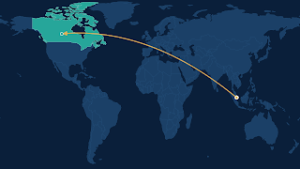
Singapore employers are used to one national framework. Canada works almost the opposite way. Most of what governs an employment relationship, including termination, notice and statutory leave, is set provincially and territorially. Above the provinces sits the federal Canada Labour Code, but its reach stops at federally regulated sectors: banking, telecommunications, transportation and a handful of others. Employers in those sectors still answer to provincial law as well.

The Exit Is Where It Gets Expensive
Canada is widely described as a difficult country in which to end employment. Written notice or pay in lieu is required, with statutory minimums rising by service: none below three months, two weeks from three months to three years, then one week per completed year thereafter, capped at eight weeks, on top of any severance a province requires.

Hiring in Both Places Without Building in Either
Registering a Canadian entity and setting up provincial and federal payroll is slow and costly, and disproportionate for a first hire, particularly when your people are likely to sit in different provinces. Using contractors invites misclassification risk regardless of your corporate structure.
Judging a Provider on the Hard Case, Not the Easy One
Any provider treating Canada as one market will eventually get a province wrong, so establish first whether they own their Canadian entity or route employment through a third party agency. Safeguard Global employs through an entity it owns, with HR and legal specialists based in Canada behind it, so accountability sits in one place and the service holds steady wherever the employee happens to be.
Then test what happens when something is genuinely difficult. A termination where common law notice is in play, or a Quebec language and scheme question, needs someone who has worked through it before rather than a support queue. That kind of familiarity is not bought, it accumulates: more than 18 years running this model across 187 countries for over 1,500 organisations is what turns a Quebec question into a routine one. The outside view is worth a moment too. At the 2025 HRM Asia Readers’ Choice Awards, Safeguard Global took gold for Best Employer of Record Service Provider, a verdict reached by HR practitioners across the Asia Pacific rather than by a marketing team. For a Singapore company weighing up a partner for a market on the other side of the world, an assessment made closer to home is a useful counterweight to the sales pitch. A
Cost, in the Right Frame
Fees per employee are modest set against what they displace: incorporation, provincial and federal payroll registration, and the local compliance capability you would otherwise have to hire before your first payslip. The number worth watching is not the monthly figure but the one mishandled termination where reasonable notice runs far beyond the statutory floor. That single event outweighs years of the difference between a full service provider and a cheaper one whose Canadian presence is contractual rather than actual.
What Canada Asks of You
Not much, provided you stop treating it as one country. Decide which province the role belongs in, accept that the answer changes the contract rather than just the address, and hand the variation to someone who works it daily.
Approached that way, with Safeguard Global absorbing the variation on your behalf, Canada is an excellent and comparatively forgiving place for a Singapore company to establish itself in North America.