Introduction
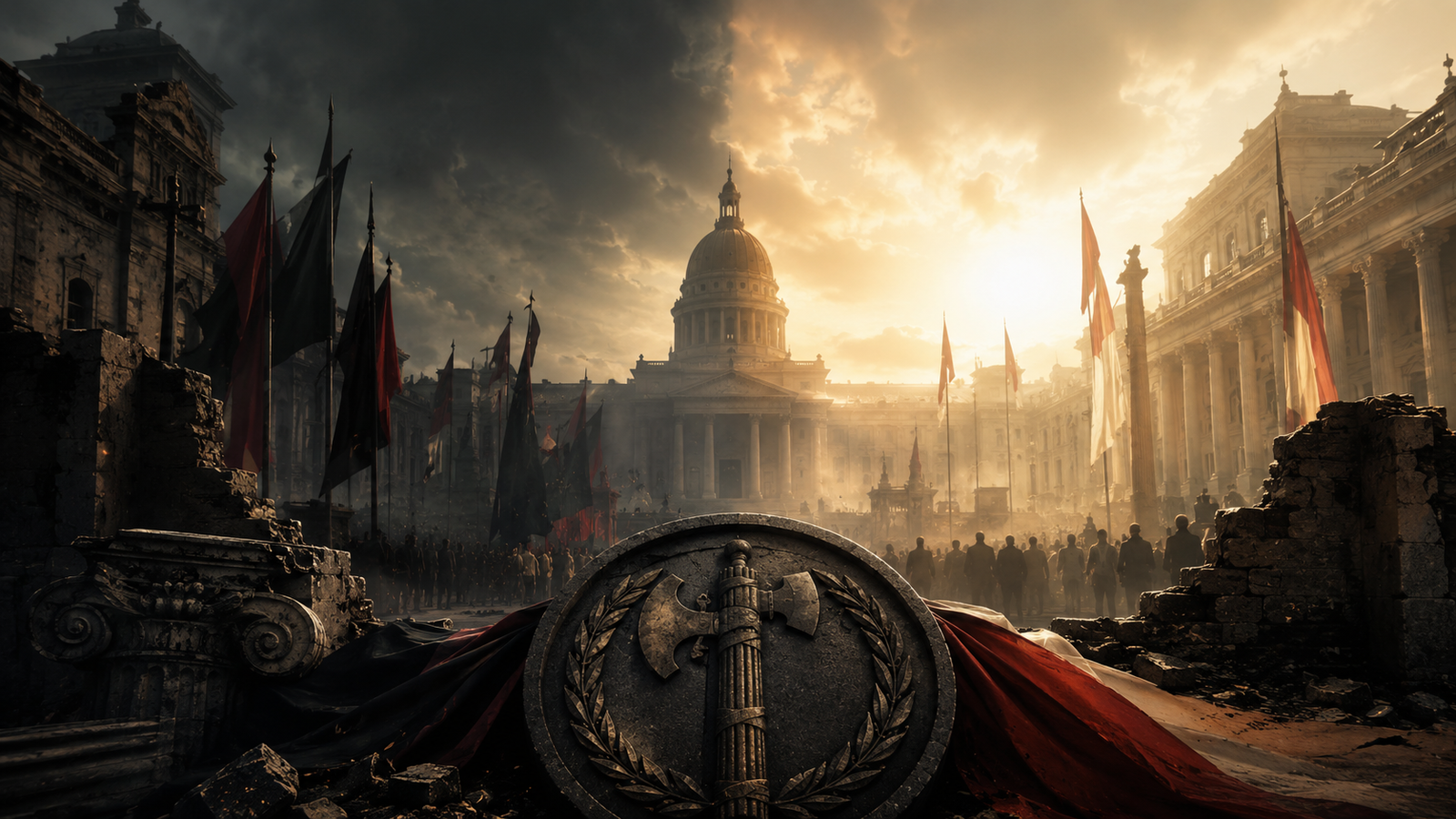
The term fascisterne is widely recognized in Danish as referring to “the fascists.” It is closely connected to one of the most influential and controversial political ideologies of the twentieth century. Understanding fascisterne requires examining the historical background, political beliefs, social impact, and the lasting influence of fascist movements across Europe. Rather than representing a single organization, the term encompasses groups and individuals who embraced fascist ideology during different periods of history.
Today, fascisterne remains an important topic in history, politics, education, and academic research. Students, historians, and readers interested in European history often encounter the term while studying World War II, authoritarian governments, nationalism, and political movements. Learning about fascisterne helps provide valuable context for understanding how political systems evolve and why democratic institutions are important.
What Does Fascisterne Mean?
The word fascisterne is the Danish plural form of “fascist,” meaning “the fascists.” It is commonly used when discussing people or organizations that supported fascist political ideology. Although the term originated in Denmark’s language, it is connected to broader European political history.
In historical discussions, fascisterne usually refers to individuals who believed in strong centralized leadership, national unity, authoritarian government, and strict political control. Today, the word is generally used in educational, historical, and political contexts rather than describing modern mainstream political groups.
The Historical Origins of Fascisterne
The history of fascisterne begins with the rise of fascism in Europe following World War I. During this period, economic hardship, political instability, and social unrest created conditions where authoritarian political movements gained public attention. Fascist organizations promised national revival, stronger governments, and restored national pride.
As fascist movements expanded across Europe, the ideology influenced political groups in several countries. The concept eventually became associated with military expansion, aggressive nationalism, censorship, and centralized authority. The events of the Second World War permanently shaped how fascisterne would later be remembered in history.
Fascisterne and European Politics
European politics during the early twentieth century experienced dramatic changes that contributed to the emergence of fascisterne. Many countries faced unemployment, inflation, and political uncertainty, allowing radical political movements to attract supporters seeking stability.
Over time, fascist governments introduced policies that increased state control over society, limited political opposition, and promoted nationalist values. These political developments significantly influenced European history and continue to be examined by historians, political scientists, and researchers studying authoritarian systems.
Core Principles Associated with Fascisterne
The ideology connected with fascisterne emphasized a powerful central government capable of directing national policy without significant opposition. Leadership, discipline, and national identity were often presented as essential elements for maintaining social order.
Another important aspect involved prioritizing collective national goals above individual interests. Political pluralism, free opposition, and independent institutions were generally viewed as obstacles to centralized authority. These characteristics distinguish fascist ideology from democratic systems based on constitutional rights and political competition.
Fascisterne During World War II
World War II remains the historical period most closely connected with fascisterne. During the conflict, fascist governments expanded their influence across Europe through military campaigns, alliances, and territorial occupation. Their actions had lasting political, economic, and humanitarian consequences.
The war transformed international politics and ultimately resulted in the defeat of the major fascist regimes. Following the conflict, many countries introduced democratic reforms while international organizations worked toward promoting peace, cooperation, and respect for human rights.
Fascisterne in Danish History
Within Denmark, fascisterne occupies an important place in discussions about national history during the years surrounding World War II. Historians study how different political groups responded to international developments and how society reacted during periods of occupation and political pressure.
Research into Danish history examines political movements, resistance efforts, public opinion, and government decisions during this challenging period. These historical studies provide valuable insight into the complexities of national politics and international relations.
Political Ideology Behind Fascisterne
Understanding fascisterne requires examining the broader ideology of fascism. The movement combined elements of nationalism, authoritarian leadership, centralized government, militarism, and extensive political organization. These ideas shaped both domestic and foreign policies in countries where fascist governments gained power.
Political scientists continue analyzing fascism because it demonstrates how political institutions can change under periods of crisis. The study of authoritarian governments helps explain the importance of democratic safeguards, constitutional law, and independent institutions.
Social and Cultural Influence of Fascisterne
The influence of fascisterne extended beyond politics into education, media, art, literature, and public communication. Governments attempted to shape national identity through propaganda, public events, educational reforms, and cultural messaging designed to strengthen loyalty to the state.
Modern historians examine these cultural influences to understand how governments can affect public opinion through communication strategies. This area of research remains significant within political history, sociology, and media studies.
Why Fascisterne Remains a Subject of Study
Although the historical period associated with fascisterne ended decades ago, scholars continue studying the movement because it offers important lessons about political systems, leadership, nationalism, and democratic institutions. Universities worldwide include fascism within courses covering European history, international relations, and political science.
Studying fascisterne also helps readers understand historical events that shaped the modern world. Knowledge of past political movements contributes to informed discussions about governance, constitutional systems, civic responsibility, and historical memory.
Common Misunderstandings About Fascisterne
Many people misunderstand fascisterne by assuming the term refers to a single organization or one country alone. In reality, it broadly describes supporters of fascist ideology, which appeared in different forms across several European nations during the twentieth century.
Another misconception is that every nationalist movement should automatically be considered fascist. Historians carefully distinguish between various political ideologies, emphasizing that historical context, political structure, leadership, and governing principles all matter when evaluating political movements.
Fascisterne in Modern Historical Research
Contemporary research on fascisterne continues through universities, museums, archives, and historical institutions. Scholars analyze government documents, personal accounts, newspapers, speeches, and historical records to build a more complete understanding of the period.
Digital archives and academic publications have also made historical information more accessible to researchers worldwide. As new evidence becomes available, historians continue refining interpretations while encouraging evidence-based discussion about twentieth-century political history.
Educational Importance of Fascisterne
Learning about fascisterne encourages critical thinking about politics, governance, leadership, and civic responsibility. Educational institutions use historical examples to demonstrate how political decisions can influence societies over long periods.
History education also helps students recognize the importance of democratic participation, freedom of expression, respect for human rights, and responsible citizenship. These lessons remain valuable regardless of changing political environments.
Fascisterne in Historical Memory
Historical memory plays a significant role in preserving knowledge about fascisterne. Museums, memorials, documentaries, academic books, and educational programs continue documenting this period so future generations can better understand its historical significance.
Remembering historical events promotes thoughtful discussion about political responsibility, international cooperation, and the protection of democratic institutions. Historical education remains one of the most effective ways to preserve lessons from the past.
Conclusion
The story of fascisterne represents an important chapter in modern European history. Closely associated with fascism, authoritarian government, nationalism, and the events surrounding World War II, the term continues to hold historical significance. Understanding its origins, development, and influence provides valuable insight into political history and the evolution of modern democratic societies.
Today, fascisterne is primarily studied through historical research, political science, education, and academic scholarship. By examining historical evidence carefully and objectively, readers gain a deeper understanding of one of the twentieth century’s most significant political movements and the lasting lessons it offers for future generations.