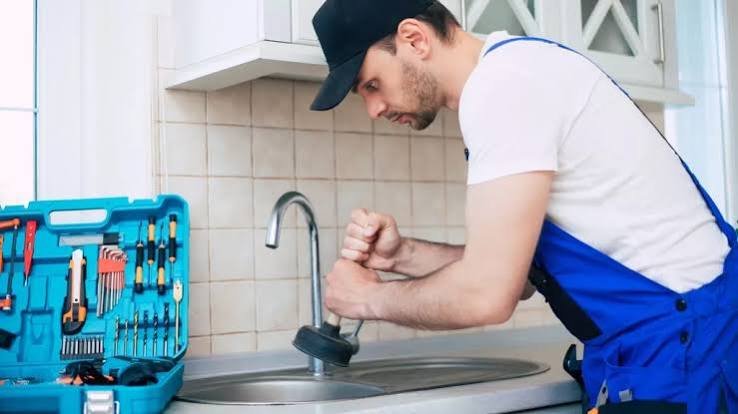
Plumbing is one of the most important systems in any home because it supports everyday activities such as cooking, cleaning, bathing, washing, and maintaining proper sanitation. Although plumbing pipes and fixtures are often hidden behind walls, beneath floors, or underground, their condition has a major effect on household comfort and safety. A small leak, clogged drain, damaged pipe, or malfunctioning water heater can quickly develop into a much larger problem when it is ignored. Professional plumbers have the experience and equipment needed to identify plumbing issues, determine their causes, and recommend appropriate solutions. Regular inspections and timely repairs can help homeowners protect their property, prevent water damage, and keep their plumbing system operating efficiently for many years.
Understanding the Role of a Professional Plumber
A professional plumber handles much more than simple leaks and clogged drains. Plumbing specialists work with water supply lines, drainage systems, fixtures, water heaters, pipes, valves, and other components that keep a property functioning properly. They can diagnose problems that may not be immediately visible and determine whether a repair, replacement, or more extensive improvement is necessary. Experienced professionals also understand how different plumbing components interact with one another, which allows them to address the underlying cause instead of simply treating a visible symptom. Hiring a qualified plumber can therefore save homeowners time and prevent repeated problems. Professional assistance is particularly valuable when a plumbing issue involves hidden pipes, extensive water damage, or complicated system connections.
Common Plumbing Problems Homeowners Experience
Many plumbing problems begin with small warning signs that are easy to overlook. A slow drain may indicate developing buildup inside a pipe, while a dripping faucet can waste water and eventually require more extensive repairs. Low water pressure, unusual pipe noises, unpleasant drain odors, running toilets, and slow-flushing fixtures can also indicate problems within the plumbing system. Some issues are caused by worn components, while others may result from corrosion, mineral deposits, blockages, improper installation, or aging pipes. Addressing these problems early can prevent them from becoming major emergencies. Homeowners should pay attention to changes in plumbing performance and contact a professional when an issue continues rather than repeatedly relying on temporary fixes.
The Importance of Regular Plumbing Inspections
Routine inspections can help identify plumbing problems before they cause significant damage. A professional can examine visible pipes, fixtures, valves, water heaters, drainage connections, and other accessible components to look for signs of wear or deterioration. During an inspection, the plumber may also check for leaks, corrosion, unusual pressure levels, and other conditions that could eventually affect system performance. Preventive inspections are especially useful for older properties because aging plumbing components may fail unexpectedly. Identifying a weak connection or deteriorating pipe early can be much less expensive than repairing extensive water damage later. Regular professional attention also gives homeowners a better understanding of the condition of their plumbing system and helps them plan necessary repairs.
Detecting and Repairing Water Leaks
Water leaks are among the most common plumbing issues, and they should never be ignored. Even a small leak can gradually damage cabinets, floors, walls, insulation, and other building materials. Hidden leaks can be particularly difficult because homeowners may not notice the problem until stains, mold-like odors, damaged surfaces, or unusually high water usage appear. A professional plumber can investigate suspicious signs and use appropriate diagnostic methods to locate the source of a leak. Once identified, the damaged component can be repaired or replaced as necessary. Prompt leak detection helps reduce water waste and limits the possibility of structural damage. Homeowners should treat unexplained moisture or sudden changes in water consumption as potential warning signs that deserve professional attention.
Maintaining Efficient Drainage Systems
A properly functioning drainage system allows wastewater to leave the property efficiently. Over time, grease, hair, soap residue, food particles, mineral deposits, and other materials can accumulate inside pipes and restrict water flow. Repeatedly using harsh chemical drain cleaners may not address the underlying problem and can potentially damage certain plumbing components. A professional plumber can determine the location and cause of a blockage and select an appropriate method for clearing it. Proper drainage maintenance can also reduce unpleasant odors and prevent wastewater from backing up into sinks, showers, or other fixtures. Homeowners can help protect their drains by avoiding practices that introduce inappropriate materials into the plumbing system and by addressing slow drainage before a complete blockage develops.
Caring for Water Heaters
Water heaters are another essential part of residential plumbing systems because they provide hot water for bathing, cleaning, cooking, and other household activities. Problems with a water heater may include insufficient hot water, unusual noises, leaks, temperature fluctuations, or visible corrosion. Sediment can accumulate inside certain types of water heaters over time, reducing efficiency and affecting performance. Professional inspection and maintenance can help identify problems before they result in complete equipment failure. When a water heater reaches the end of its useful life, homeowners may need to consider replacement options based on capacity, efficiency, household demand, and available space. Proper maintenance can help extend equipment life and reduce the likelihood of unexpected interruptions in hot water service.
Plumbing and Home Comfort Systems
Plumbing systems can sometimes interact with other home systems in ways that homeowners may not immediately recognize. Water supply, drainage, heating equipment, and temperature-control systems may occupy nearby mechanical areas or share certain infrastructure. For example, when planning furnace installation, homeowners may also need to consider nearby plumbing connections, drainage requirements, or equipment clearances depending on the heating system design. Coordinating different mechanical systems can help prevent conflicts during installation or renovation work. A professional plumber can identify plumbing considerations that should be addressed before another major system is installed. Proper planning helps ensure that improvements to one part of the property do not unintentionally create problems for another.
Preventing Frozen or Damaged Pipes
Pipes can become vulnerable to damage when exposed to extreme temperatures or poorly protected areas. Water inside a pipe expands when it freezes, increasing pressure that can eventually cause the pipe to crack or burst. A burst pipe can release a large amount of water and create serious property damage in a short period. Homeowners can reduce risks by ensuring vulnerable plumbing areas are appropriately insulated and by addressing drafts or other conditions that expose pipes to freezing temperatures. If a pipe freezes or shows signs of damage, professional assistance may be necessary to safely determine the extent of the problem. Preventive maintenance is generally more manageable than dealing with extensive water damage after a pipe failure.
The Connection Between Plumbing and Home Renovations
Home renovations often involve changes to plumbing systems, especially when remodeling kitchens, bathrooms, utility rooms, or laundry areas. Moving a sink, shower, toilet, dishwasher, or washing machine may require changes to both water supply and drainage connections. These modifications need to be planned carefully so that new fixtures function properly and existing plumbing is not placed under unnecessary stress. Renovation projects may also involve electrical and heating systems, which makes coordination between different trades important. When furnace installation or another major mechanical upgrade is being planned during a renovation, homeowners should consider the placement of all related equipment and utility connections. Careful planning can prevent costly changes after construction work has already begun.
Choosing the Right Plumbing Fixtures
Selecting high-quality plumbing fixtures can improve convenience, water efficiency, and long-term reliability. Faucets, showerheads, toilets, sinks, valves, and other fixtures are available in a wide range of designs and performance levels. Homeowners should consider durability, compatibility with existing plumbing, ease of maintenance, and water usage when selecting replacements. A fixture that looks attractive may not necessarily be the best choice if it is incompatible with the existing system. Professional guidance can help homeowners understand which products are appropriate for their plumbing configuration. Proper installation is also important because even a high-quality fixture may leak or perform poorly if connections are not completed correctly.
Improving Water Efficiency
Water efficiency can help homeowners reduce unnecessary consumption while maintaining comfortable daily routines. Small improvements, such as repairing dripping faucets, replacing inefficient fixtures, and addressing leaks, can make a meaningful difference over time. Homeowners can also monitor water usage and investigate sudden increases that may indicate hidden leaks. Efficient plumbing fixtures can reduce water consumption without requiring major lifestyle changes. Professional plumbers can evaluate a property’s plumbing system and recommend improvements based on the homeowner’s goals. Water efficiency is not only about reducing utility expenses; it also helps preserve a valuable resource and reduces unnecessary strain on household plumbing equipment.
Recognizing Low Water Pressure Problems
Low water pressure can make ordinary household activities frustrating, particularly when multiple fixtures are being used at the same time. The cause may be related to clogged aerators, partially closed valves, damaged pipes, mineral buildup, pressure-regulating components, or broader supply issues. Determining the exact cause is important because simply replacing a faucet may not solve the underlying problem. A professional plumber can test the system and investigate whether the issue is isolated to one fixture or affects the entire property. Once the cause is identified, the appropriate repair can be performed. Addressing low pressure properly can restore normal water flow and help prevent additional stress on plumbing components.
Plumbing Maintenance During Heating System Work
Major home mechanical projects require careful coordination because several systems may occupy the same utility spaces. During furnace installation, technicians may need to work near existing water lines, drains, or other plumbing components. Homeowners should make sure that the professionals involved understand the location and condition of nearby systems before work begins. Protecting existing plumbing can prevent accidental damage during equipment removal or installation. In some cases, drainage arrangements may also need to be considered as part of the overall mechanical setup. Coordinating plumbing and heating work helps create a safer and more organized installation process while reducing the likelihood of unexpected repairs.
When Emergency Plumbing Services Are Necessary
Some plumbing problems require immediate attention rather than waiting for a convenient repair appointment. A burst pipe, major water leak, sewage backup, overflowing fixture, or sudden loss of water service can quickly disrupt a household and cause property damage. In these situations, homeowners should take reasonable immediate steps, such as shutting off the appropriate water supply if it is safe to do so, and then contacting a qualified professional. Quick action can limit the amount of water released and reduce damage to floors, walls, furniture, and personal belongings. Emergency plumbing services are particularly important when the source of the problem cannot be controlled by a simple fixture shutoff. Fast professional intervention can make a significant difference in minimizing repair costs and disruption.
The Value of Professional Plumbing Work
Professional plumbing work provides advantages that go beyond fixing the immediate problem. Experienced plumbers can evaluate the entire system, identify contributing factors, and recommend solutions designed to provide lasting results. They have access to specialized tools and practical knowledge that can make difficult repairs more efficient and accurate. Professional workmanship can also reduce the risk of recurring leaks, poor connections, drainage problems, and other issues caused by incomplete repairs. When homeowners invest in furnace installation or other major home improvements, using qualified professionals for related plumbing requirements can help ensure that different systems work together properly. Quality workmanship protects the property and provides greater confidence in the reliability of essential household systems.
How to Select a Reliable Plumbing Professional
Choosing the right plumber requires more than selecting the first available service provider. Homeowners should consider experience, qualifications, reputation, communication, pricing transparency, and the type of work the professional regularly performs. It is helpful to ask what is included in an estimate and whether additional repairs may be required once the system is inspected. Homeowners should also make sure the professional understands the specific nature of the problem rather than offering a generic solution without investigating the cause. When a plumbing project overlaps with heating or renovation work, homeowners can ask how the plumber will coordinate with other contractors. For projects involving furnace installation, clear communication between trades can help prevent scheduling problems and conflicts between plumbing and heating components.
Why Preventive Maintenance Saves Money
Preventive maintenance can often reduce the total cost of owning and operating a plumbing system. Small issues are generally easier to correct than problems that have been allowed to develop for months or years. A minor leak can eventually damage surrounding materials, while a partially blocked drain can become a complete backup. Regular inspections give homeowners the opportunity to address these issues before they become emergencies. Maintenance also helps extend the useful life of plumbing fixtures, pipes, valves, and water-heating equipment. When furnace installation and other home improvement projects are combined with a broader maintenance plan, homeowners can take a more proactive approach to protecting their property’s mechanical systems. Preventive care provides both financial and practical benefits over the long term.
Final Thoughts
A dependable plumbing system is essential for maintaining comfort, hygiene, convenience, and property protection. From repairing leaks and clearing drains to maintaining water heaters and supporting renovation projects, professional plumbers perform a wide range of services that keep homes functioning properly. Homeowners can protect their plumbing by responding quickly to warning signs, scheduling regular inspections, improving water efficiency, and avoiding temporary repairs that fail to address underlying problems. Coordination is also important when plumbing work takes place alongside other mechanical upgrades, including furnace installation, because multiple systems may share limited spaces and infrastructure. Choosing experienced professionals and investing in preventive maintenance can help reduce unexpected breakdowns and costly water damage. With proper care and timely professional assistance, a home’s plumbing system can provide dependable performance and support everyday household needs for many years.