What to Expect During a Home Inspection
Inspecting the Roof for Storm Damage
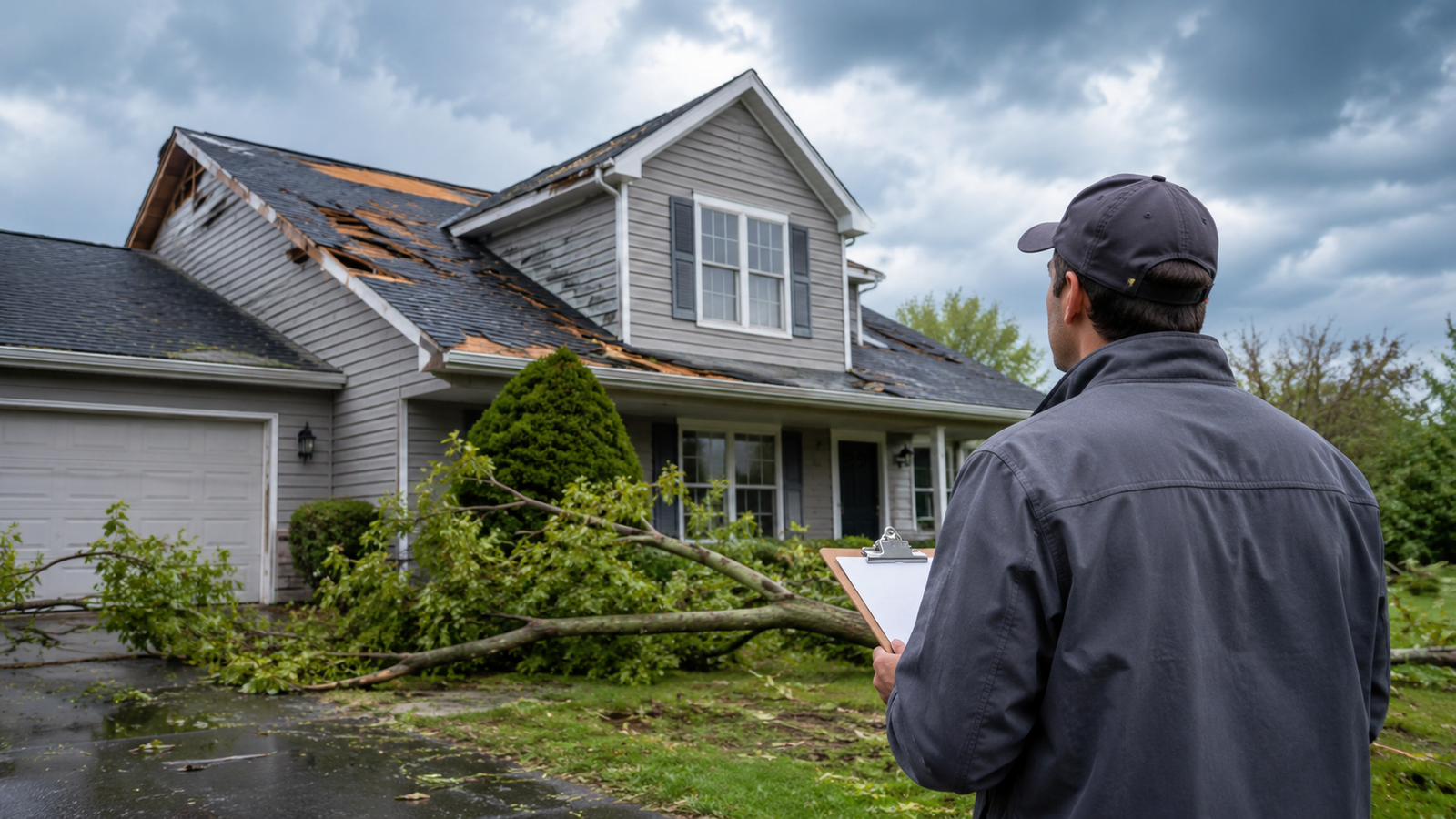
The roof is often the most vulnerable part of your home during a storm, as it takes the brunt of wind, rain, and hail. After the weather clears, it is important to visually inspect your roof from the ground, looking for missing or damaged shingles, dented flashing, or debris that may have landed on the surface. If you notice any sagging areas or exposed underlayment, these are signs that your roof may have sustained more serious damage. Water stains on your ceilings or walls inside the house can also indicate a compromised roof. If you are comfortable and it is safe to do so, you can use binoculars to get a closer look at the roof’s condition. However, avoid climbing onto the roof yourself, as it may be unstable after a storm. Instead, consider contacting a professional to conduct a thorough inspection and recommend necessary repairs.
Checking Windows, Doors, and Siding
Windows, doors, and siding are also susceptible to storm damage, especially during events with high winds or flying debris. Walk around your home and carefully examine each window and door for cracks, broken glass, or damaged frames. Pay attention to any water intrusion around the edges, as this can lead to mold growth and structural issues if not addressed promptly. Siding can be dented, cracked, or even torn away by strong winds, so inspect for any visible gaps or loose panels. If you notice any warping or discoloration, this could be a sign of water infiltration behind the siding. In some cases, you may need to remove a section of siding to check for hidden moisture or rot. For homeowners in Indiana, contacting a Roofing Company Fort Wayne can provide peace of mind and ensure that all exterior elements are properly assessed and repaired after a storm.
Assessing Gutters and Downspouts
Gutters and downspouts play a critical role in directing water away from your home’s foundation, and they are often damaged during storms. After a storm, check your gutters for signs of clogging, sagging, or detachment from the roofline. Debris such as leaves, twigs, and shingle granules can accumulate in the gutters, preventing proper drainage and increasing the risk of water damage to your home. Examine the downspouts to ensure they are securely attached and directing water at least several feet away from the foundation. If you notice water pooling near your home or erosion around the base, this could indicate a problem with your drainage system. Addressing gutter and downspout issues promptly can help prevent costly foundation repairs and maintain the overall health of your property.
Inspecting the Attic and Interior Spaces
The attic and interior spaces of your home can reveal hidden signs of storm damage that may not be visible from the outside. After a storm, enter your attic and look for any signs of water intrusion, such as damp insulation, water stains, or mold growth. Pay attention to any unusual odors, as these can indicate moisture problems that need to be addressed. Check for daylight coming through the roof boards, which may signal missing shingles or holes in the roof. Inside your living spaces, inspect ceilings and walls for discoloration, bubbling paint, or peeling wallpaper, all of which can be signs of water damage. If you notice any of these issues, it is important to act quickly to prevent further deterioration and potential health hazards associated with mold.
When to Call a Professional
If you discover significant damage or are unsure about the extent of the issues, it is wise to contact a professional for a comprehensive assessment. Some problems, such as structural damage or hidden leaks, may not be immediately apparent to the untrained eye. Professionals have the tools and experience to identify and address these issues before they become more severe. Additionally, working with a reputable contractor can help you navigate the insurance claims process and ensure that repairs are completed to a high standard. Prompt action can save you time, money, and stress in the long run.
Documenting Damage for Insurance
After a storm, documenting any damage is essential for filing an insurance claim. Take clear, detailed photographs of all affected areas, both inside and outside your home. Make notes about the date and time of the storm, as well as any immediate actions you took to prevent further damage. Keep receipts for any temporary repairs or materials purchased, as these may be reimbursable by your insurance company. Providing thorough documentation can help streamline the claims process and ensure you receive the compensation you need to restore your home.
Conclusion
Checking your home for damage after a storm is a vital step in protecting your property and ensuring your family’s safety. By carefully inspecting your roof, windows, doors, siding, gutters, and interior spaces, you can identify problems early and take appropriate action. Addressing issues promptly can prevent further damage and costly repairs down the line. If you are ever in doubt about the condition of your home or the severity of the damage, do not hesitate to contact a professional for assistance. Taking these steps will help you maintain a safe, comfortable, and resilient home, no matter what the weather brings.