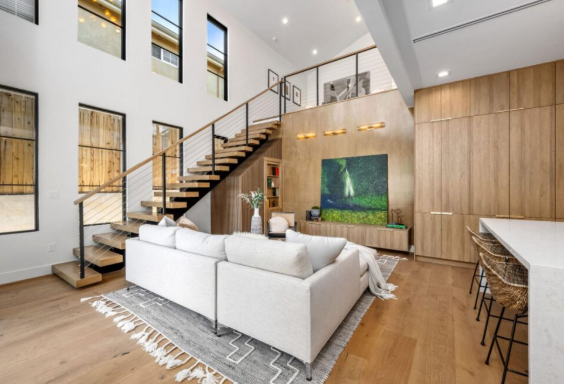
A comfortable and energy-efficient home depends on many important factors, and proper insulation is one of the most essential elements. Insulation helps control indoor temperatures by reducing heat transfer between the interior and exterior of a building. Without adequate protection, homes can lose warmth during colder months and absorb excessive heat during warmer periods, leading to higher energy usage and uncomfortable living conditions.Many homeowners focus on heating and cooling systems when trying to improve indoor comfort, but insulation plays an equally important role. A well-insulated property allows heating and cooling equipment to operate more efficiently by reducing the amount of work required to maintain a stable temperature. This not only improves comfort but can also contribute to lower energy expenses over time.The upper areas of a home often experience significant temperature changes because heat naturally rises and escapes through poorly protected spaces. Improving these areas can make a noticeable difference in overall energy performance. Professional attic insulation helps create a barrier that slows down heat movement, allowing indoor temperatures to remain more consistent throughout the year.
Understanding the Importance of Proper Home Insulation
Insulation works by limiting the movement of heat between different areas of a building. During colder weather, it helps keep warm air inside, while during hotter conditions, it reduces the amount of heat entering the living space. This simple but effective process creates a more balanced indoor environment and reduces dependence on heating and cooling equipment.Poor insulation can cause several problems, including uneven room temperatures, increased energy consumption, and unnecessary strain on HVAC systems. When heat escapes easily, heating systems must work longer to replace lost warmth. Similarly, cooling systems may struggle to maintain comfortable conditions when unwanted heat enters the property.A properly insulated home provides better temperature control and improved indoor comfort. It also helps reduce drafts and creates a more stable environment for occupants. By addressing insulation issues, homeowners can improve the overall performance of their property and create a more efficient living space.
Benefits of Installing Quality Insulation
One of the main advantages of upgrading insulation is improved energy efficiency. When a home has an effective thermal barrier, less energy is required to maintain comfortable indoor temperatures. This means heating and cooling systems can operate more effectively without constantly compensating for heat loss or heat gain.Another important benefit is increased comfort throughout the year. Homes with insufficient insulation often have rooms that feel colder in winter or warmer in summer compared to other areas. Proper insulation helps create more consistent temperatures, making every part of the home more enjoyable.Good insulation can also contribute to better indoor air quality. When installed correctly, it can help reduce the movement of outdoor pollutants, dust, and allergens into living areas. A well-sealed and insulated home provides a cleaner and healthier environment for residents.The installation of attic insulation is also considered a valuable home improvement because it can support long-term property performance. By reducing energy waste and improving comfort, insulation upgrades can enhance the overall value and appeal of a property.
Different Types of Insulation Materials
There are several insulation materials available, and each option has unique characteristics suited for different applications. Choosing the right material depends on factors such as the building structure, climate conditions, budget, and desired performance level.Fiberglass insulation is one of the most commonly used options because it is affordable, effective, and suitable for many residential applications. It is available in rolls, batts, and loose-fill forms, making it flexible for different installation requirements.Spray foam insulation is another popular choice because it expands to fill gaps and create a strong air barrier. This material can improve sealing performance by covering small spaces where air leakage may occur. It is often selected for projects that require enhanced moisture resistance and improved energy performance.Cellulose insulation is made from recycled materials and provides effective thermal protection. It is commonly used in areas where loose-fill installation is preferred. Each insulation type has specific benefits, and professional guidance can help determine the best solution for individual needs.
The Role of Insulation in Reducing Energy Waste
Energy waste is a common issue in homes that lack proper insulation. When heat moves freely through walls, ceilings, and other areas, heating and cooling systems must use additional energy to maintain desired temperatures. This increased demand can result in higher utility costs and reduced efficiency.A well-designed insulation system helps minimise unnecessary energy loss by creating a protective layer around the living space. This allows indoor temperatures to remain stable for longer periods, reducing the need for frequent adjustments to heating and cooling equipment.Homeowners who invest in insulation improvements often notice better comfort and more predictable energy usage. While insulation may not be visible after installation, its impact can be experienced through improved temperature control and a more efficient home environment.
Professional Installation and Why It Matters
Proper installation is essential for insulation to perform effectively. Even high-quality materials may fail to deliver expected results if they are installed incorrectly. Gaps, uneven coverage, and poor sealing can reduce insulation performance and allow unwanted air movement.Experienced professionals understand how to evaluate existing conditions and determine the correct installation approach. They inspect problem areas, identify air leakage points, and recommend suitable materials based on the specific requirements of the property.Professional installation also helps ensure safety and durability. Experts follow appropriate procedures when handling insulation materials and make sure the finished work meets quality standards. This attention to detail helps homeowners receive maximum benefits from their investment.When considering improvements, choosing reliable attic insulation services can provide long-lasting results by addressing heat loss, improving comfort, and supporting better energy efficiency throughout the home.
Signs That Your Home May Need Better Insulation
Many homeowners are unaware that their property has insulation problems until noticeable issues appear. One common sign is inconsistent indoor temperatures, where certain rooms feel significantly warmer or colder than others. This may indicate that heat is moving through areas that lack sufficient protection.High energy bills can also suggest insulation problems. If heating and cooling systems are operating frequently but comfort levels remain poor, inadequate insulation may be contributing to the issue. Improving insulation can help reduce the amount of energy needed to maintain indoor conditions.Other signs include drafts, temperature changes near ceilings, and difficulty maintaining comfortable conditions throughout different seasons. These problems often indicate that existing insulation is damaged, outdated, or insufficient for the needs of the property.Addressing these warning signs early can prevent ongoing energy waste and improve the overall performance of the home. A professional assessment can identify areas that require attention and provide suitable solutions.
Maintaining Insulation Performance Over Time
Although insulation is designed to provide long-term benefits, regular inspections can help maintain its effectiveness. Over time, materials may settle, become damaged, or lose performance due to moisture and other factors. Checking insulation conditions allows homeowners to address problems before they become major concerns.Moisture control is particularly important because damp insulation can lose its effectiveness and may contribute to other building issues. Proper ventilation and moisture management help protect insulation materials and extend their useful life.Home improvements such as roof repairs, ventilation upgrades, and air sealing can also support insulation performance. A complete approach ensures that different parts of the building work together to create an efficient and comfortable environment.
How Insulation Supports Sustainable Living
Improving home efficiency is an important step toward reducing unnecessary energy consumption. Insulation helps homeowners use resources more effectively by reducing the demand placed on heating and cooling systems. This creates a more sustainable approach to maintaining comfortable indoor spaces.Energy-efficient homes not only benefit individual homeowners but also contribute to broader environmental goals. Reducing energy waste helps lower overall demand and supports more responsible resource usage.Choosing environmentally friendly insulation materials and professional installation methods can further enhance sustainability. Many modern insulation options are designed with improved performance and reduced environmental impact in mind.
Making the Right Choice for Your Home Improvement Project
Selecting the right insulation solution requires careful consideration of property needs, existing conditions, and long-term goals. Every home is different, so the ideal approach depends on factors such as building design, current insulation levels, and desired energy performance.Working with experienced professionals can simplify the decision-making process. They can evaluate the property, explain available options, and recommend solutions that provide the best combination of comfort, efficiency, and value.A well-planned insulation upgrade is an investment that can improve daily living conditions while supporting long-term property performance. With proper materials and expert installation, homeowners can enjoy a more comfortable and efficient indoor environment.
Conclusion
Insulation is a vital part of creating a comfortable, efficient, and well-protected home. By reducing heat transfer, improving temperature control, and supporting lower energy usage, effective insulation provides benefits that extend throughout the entire property.From improved comfort to better energy performance, upgrading insulation can make a significant difference in how a home functions. Professional solutions help ensure that insulation is installed correctly and delivers reliable results for years to come.Investing in quality attic insulation is a practical way to enhance home efficiency, protect indoor comfort, and create a stronger foundation for long-term energy savings.