Your roof doesn’t ask for much attention. It quietly does its job through blistering summers, relentless downpours, and freezing winters—until it can’t. And when it finally shows signs of wear, the damage it causes can ripple through walls, ceilings, insulation, and more. That’s why the roofing company you choose isn’t just a service provider. It’s a partner in protecting the place where your life happens.
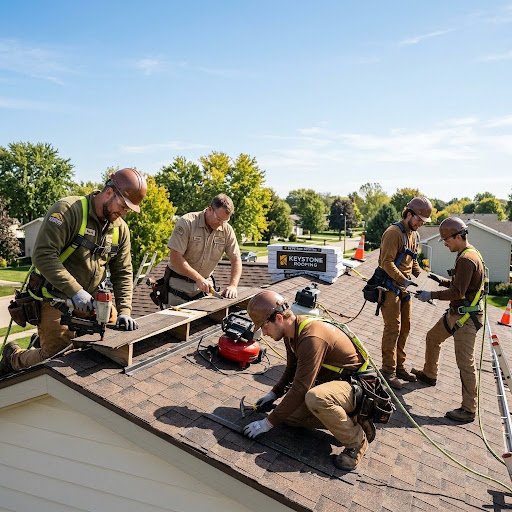
Keystone Roofing has built its reputation on exactly that promise. With a track record of quality craftsmanship, dependable service, and materials that go the distance, this is a team that takes the responsibility of being over your head seriously.
What Separates a Good Roof from a Great One?
Most homeowners don’t think about their roof until something goes wrong. A leak appears after a heavy storm. A few shingles blow off in a gust of wind. Water stains creep across a bedroom ceiling. By that point, the damage has often already spread beyond what’s visible.
A great roof doesn’t just cover your home—it forms a tight, weatherproof barrier that defends against moisture infiltration, structural stress, and temperature extremes. The difference between a roof that lasts 15 years and one that lasts 30 comes down to three things: materials, installation, and maintenance. Cutting corners on any one of them shortens the life of the entire system.
Premium roofing materials, properly installed by experienced hands, create a result that outperforms its price tag year after year. Keystone Roofing delivers precisely that—expert installation backed by deep knowledge of what each home needs to stay protected across every season.
Why Roofing Is Never a One-Size-Fits-All Service
Every home is different. A steep-pitched colonial calls for different materials and installation methods than a low-slope ranch-style house. Coastal homes face moisture and wind loads that don’t apply to properties in drier climates. A proper roofing assessment takes all of these factors into account before a single shingle is laid.
That’s where professional expertise truly earns its value. An experienced roofing crew can spot potential problem areas before they become expensive ones—things like inadequate ventilation, compromised flashing around chimneys or skylights, or underlayment that’s past its useful life. Addressing these issues proactively adds years to a roof’s performance and saves homeowners from far costlier repairs down the road.
Keystone Roofing approaches every job with this level of thoroughness. The team doesn’t simply swap out old for new; it evaluates the whole system and ensures every component is performing at its best.
The Real Cost of Delaying Roof Repairs
Postponing roofing work is one of the most expensive decisions a homeowner can make. What starts as a small gap in flashing or a few missing shingles can escalate quickly. Water finds its way through the smallest vulnerabilities, and once it penetrates the roofing system, the damage to decking, insulation, and interior spaces can multiply fast.
Beyond structural damage, a compromised roof can affect energy efficiency. Poor insulation and ventilation force HVAC systems to work harder, driving up utility bills month after month. Mold and mildew, common consequences of moisture intrusion, create health risks that can be difficult and expensive to remediate.
Acting early—whether for repairs, a full replacement, or a routine inspection—keeps small problems from becoming major ones. The return on investment is almost always significant.
Materials That Match Your Home and Your Standards
Not all roofing materials are created equal, and the right choice depends on your home’s architecture, your local climate, and your long-term goals. Here’s a look at the most popular options:
- Asphalt Shingles: The most widely used roofing material in the US, offering a strong balance of affordability, durability, and variety. Quality asphalt shingles can last 25–30 years with proper installation and care.
- Metal Roofing: Increasingly popular for its longevity and low maintenance, metal roofing can last 40–70 years and performs exceptionally well in areas prone to high winds, heavy snow, or wildfires.
- Architectural Shingles: A premium version of asphalt, these multi-dimensional shingles offer enhanced aesthetics and improved wind resistance compared to standard three-tab options.
- Flat Roofing Systems: Common on commercial properties and some modern residential designs, flat roofs require specialized materials such as TPO, EPDM, or modified bitumen to perform correctly.
Selecting the right material for your specific home is a decision best made with the input of a roofing professional who understands local building codes, weather patterns, and structural requirements.
What a Professional Roofing Inspection Actually Covers
Many homeowners assume a roof inspection is a quick visual scan from the ground. A thorough professional inspection is far more comprehensive. It includes an evaluation of:
- Shingles or roofing surface for cracking, curling, blistering, or missing sections
- Flashing around chimneys, vents, skylights, and valleys for gaps or corrosion
- Gutters and drainage for blockages, sagging, or improper slope
- Soffit and fascia for rot, pest damage, or moisture intrusion
- Attic space for signs of leaks, inadequate ventilation, or insulation issues
- Decking for soft spots or structural compromise
A detailed inspection report gives homeowners a clear picture of their roof’s current condition and what, if anything, needs to be addressed—without unnecessary upselling or vague recommendations.
The Keystone Roofing Difference
Keystone Roofing brings the kind of precision installation, premium materials, and long-term reliability that transforms one of your home’s most vulnerable surfaces into its most dependable line of defense—giving you the confidence that your family, your belongings, and your investment are covered no matter what the forecast says.
That’s not a small promise. Roofing is one of the most technically demanding trades in residential construction. The margin for error is thin, and the consequences of poor workmanship show up quickly. Choosing a team that takes quality seriously—one that shows up prepared, communicates clearly, and stands behind its work—makes all the difference.
From storm damage repairs to full roof replacements and preventative inspections, Keystone Roofing handles every project with the attention it deserves. Because a home is too important to trust to anyone who treats roofing as just another job.
Protect Your Home Before the Next Storm Does the Deciding
Roofing problems rarely announce themselves in advance. A strong storm, a harsh winter, or simply the accumulation of years can push a roof past its limits without much warning. The homeowners who fare best are those who stay ahead of the curve—scheduling regular inspections, addressing minor issues early, and working with a roofing team they can rely on.
Keystone Roofing is ready when you are. Whether your roof needs a quick repair, a full replacement, or simply a professional set of eyes to confirm it’s in good shape, the team is equipped to deliver results that hold up over time. Reach out today and give your home the protection it deserves.
Frequently Asked Questions
How often should I have my roof professionally inspected?
Most roofing professionals recommend scheduling an inspection at least once a year, ideally in the spring or fall. After major storms, a prompt inspection is also advisable to catch any damage before it spreads.
What are the most common signs that a roof needs replacing?
Key indicators include shingles that are curling, cracking, or missing entirely; granule loss in gutters; persistent leaks after rainfall; sagging areas on the roof deck; and a roof that’s approaching or past its expected lifespan.
How long does a typical roof replacement take?
Most residential roof replacements can be completed in one to three days, depending on the size and complexity of the roof, the materials selected, and weather conditions during the project.
Does roofing work require a permit?
In most jurisdictions, a full roof replacement requires a building permit. A reputable roofing contractor will handle the permitting process as part of the job, ensuring the work complies with local building codes.
What should I look for when choosing a roofing contractor?
Look for a contractor with verifiable local experience, proper licensing and insurance, clear written estimates, and a track record of positive reviews. A reputable contractor will also offer a workmanship warranty in addition to the manufacturer’s material warranty.