Introduction
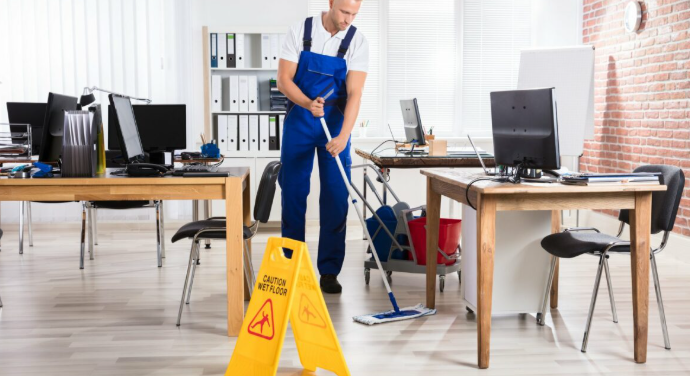
A clean workplace is much more than a pleasant environment. It reflects professionalism, creates a positive impression on visitors, and supports the health and productivity of everyone who enters the building. Whether it is an office, retail store, educational facility, warehouse, healthcare center, or industrial space, cleanliness plays a significant role in daily operations. Dust, bacteria, stains, and clutter can quickly accumulate in busy workplaces, making regular maintenance essential. Businesses that invest in commercial cleaning benefit from improved employee morale, reduced health risks, and an enhanced reputation among clients and customers. A well-maintained workspace also helps preserve furniture, flooring, equipment, and other valuable assets, reducing long-term maintenance costs. Instead of treating cleaning as an occasional task, successful organizations make it an ongoing priority because a consistently clean environment contributes to efficiency, safety, and customer satisfaction while demonstrating a commitment to quality and professionalism.
Why Commercial Cleaning Matters
Every business experiences daily foot traffic that introduces dirt, dust, allergens, and bacteria into the workplace. Without a structured cleaning routine, these contaminants can spread quickly, affecting indoor air quality and creating an unhealthy environment. Professional commercial cleaning services follow organized cleaning procedures designed to eliminate germs while maintaining high hygiene standards throughout the facility. Employees working in a cleaner environment often experience fewer illnesses, which can reduce absenteeism and improve overall productivity. Customers also notice cleanliness immediately when entering a business, and their first impression often influences their trust in the company. A spotless workplace communicates attention to detail, responsibility, and professionalism. Beyond appearance, regular cleaning protects expensive flooring, office furniture, electronics, and fixtures from premature wear, extending their lifespan and reducing replacement costs over time. Businesses that prioritize cleanliness create an environment where employees can focus better and clients feel more comfortable conducting business.
Key Areas That Require Regular Cleaning
Different parts of a commercial property require different cleaning methods depending on usage and traffic levels. Reception areas create the first impression for visitors and therefore need spotless floors, clean furniture, polished glass, and organized surroundings. Office workstations accumulate dust, fingerprints, food crumbs, and germs that should be removed consistently to maintain hygiene. Conference rooms require sanitization before and after meetings to provide a professional atmosphere for employees and clients alike. Kitchens and break rooms demand special attention because food preparation areas can easily become breeding grounds for bacteria if neglected. Washrooms require frequent disinfection to maintain cleanliness, eliminate odors, and prevent the spread of harmful microorganisms. Hallways, staircases, elevators, and shared spaces experience constant traffic and therefore benefit from routine vacuuming, mopping, and sanitizing. Addressing every section of the workplace ensures that cleanliness remains consistent throughout the building rather than focusing only on visible areas.
Benefits of Professional Cleaning Services
Professional cleaning teams bring specialized knowledge, equipment, and products that deliver results beyond standard daily maintenance. They understand how to clean different flooring materials, upholstery, glass surfaces, electronic equipment, and high-touch areas safely without causing damage. Their structured cleaning schedules help maintain consistent hygiene standards while allowing businesses to focus on their primary operations. Investing in professional commercial cleaning reduces the burden on employees, who should spend their time performing their actual job responsibilities rather than cleaning shared spaces. Modern cleaning companies also use advanced tools such as HEPA-filter vacuums, microfiber systems, steam cleaning equipment, and environmentally friendly products that remove contaminants more effectively than traditional cleaning methods. Consistent professional care improves workplace appearance, increases employee satisfaction, supports regulatory compliance where applicable, and demonstrates a commitment to maintaining a healthy environment for everyone who visits the facility.
Daily Cleaning Tasks That Keep Businesses Looking Professional
Maintaining cleanliness every day prevents dirt from accumulating into larger problems that require expensive deep cleaning later. Daily cleaning typically includes vacuuming carpets, sweeping and mopping hard floors, emptying trash bins, disinfecting frequently touched surfaces, cleaning restrooms, wiping desks, sanitizing shared equipment, and replenishing hygiene supplies. Glass doors and windows should also be cleaned regularly to eliminate fingerprints and maintain a polished appearance. Food preparation areas require immediate attention after use to prevent odors and bacterial growth. Regular maintenance of entrances helps minimize the amount of dirt tracked into the building, protecting interior flooring from excessive wear. When businesses follow a consistent cleaning schedule, employees enjoy a healthier workspace while customers continue to associate the company with professionalism, attention to detail, and quality service. Daily cleaning forms the foundation of a comprehensive facility maintenance program that supports long-term operational success.
Deep Cleaning Versus Routine Cleaning
While routine cleaning keeps a workplace presentable every day, deep cleaning focuses on areas that are often overlooked during regular maintenance. Dust can accumulate behind furniture, inside air vents, beneath workstations, and in other hidden spaces that are not cleaned daily. Over time, these neglected areas can contribute to poor indoor air quality and create an unhealthy environment. Deep cleaning includes carpet shampooing, upholstery cleaning, floor polishing, high-level dust removal, window washing, and intensive restroom sanitization. It also involves disinfecting hard-to-reach surfaces where bacteria and allergens may collect. Combining routine maintenance with scheduled deep cleaning ensures that every part of the workplace remains hygienic, visually appealing, and safe for employees and visitors. This balanced approach also protects valuable building materials from long-term damage caused by dirt, moisture, and grime.
The Importance of Using Modern Cleaning Equipment
Cleaning technology has advanced significantly, allowing professional teams to deliver better results in less time. High-efficiency vacuum cleaners equipped with HEPA filters capture microscopic dust particles that ordinary vacuums often leave behind. Microfiber cloths and mops remove dirt more effectively while using less water and fewer chemicals. Steam cleaning systems sanitize surfaces without relying heavily on harsh cleaning agents, making them suitable for many commercial environments. Automatic floor scrubbers restore shine to large floor areas while reducing manual labor. Eco-friendly cleaning products also help protect indoor air quality and reduce environmental impact without sacrificing cleanliness. Businesses that choose providers using modern equipment often experience higher cleaning standards, faster service, and improved long-term maintenance of their facilities.
Creating a Healthier Workplace Through Proper Sanitation
Health and hygiene have become major priorities for businesses across every industry. Frequently touched surfaces such as door handles, elevator buttons, keyboards, telephones, light switches, desks, and shared equipment can quickly become sources of contamination if they are not disinfected regularly. Proper sanitation reduces the spread of bacteria and viruses, helping employees stay healthier throughout the year. Cleaner workplaces often experience lower absenteeism, improved morale, and greater productivity because staff members feel more comfortable working in a hygienic environment. Customers and visitors also appreciate businesses that visibly maintain high standards of cleanliness. Investing in proper sanitation demonstrates responsibility toward employees, clients, and everyone who enters the building, strengthening the company’s professional reputation.
How Commercial Cleaning Supports Business Success
A clean workplace contributes directly to business performance in ways that extend far beyond appearance. Employees generally perform better when they work in organized and hygienic surroundings because they experience fewer distractions and health concerns. Visitors develop confidence in businesses that maintain spotless facilities, increasing the likelihood of building long-term professional relationships. Clean environments also reduce wear and tear on expensive flooring, furniture, and equipment, lowering maintenance expenses over time. Regular commercial cleaning allows organizations to focus on their core operations while ensuring their premises consistently reflect professionalism and quality. Businesses that treat cleanliness as an investment rather than an expense often experience stronger customer satisfaction and improved employee retention because people naturally prefer environments that are safe, comfortable, and well maintained.
Choosing the Right Cleaning Schedule
Every workplace has different cleaning requirements depending on its size, industry, number of employees, and daily visitor traffic. Busy office buildings may require daily cleaning, while warehouses or storage facilities may benefit from customized schedules that combine routine maintenance with periodic deep cleaning. Restrooms, kitchens, entrances, and high-touch areas should receive frequent attention because they accumulate dirt and bacteria more quickly than other spaces. Businesses should regularly evaluate their cleaning schedules to ensure they continue meeting operational needs as the company grows. Flexible service plans allow cleaning tasks to be adjusted during seasonal changes, special events, or periods of increased activity. A well-planned cleaning schedule ensures consistent results while helping organizations manage costs effectively.
Common Mistakes Businesses Should Avoid
Many organizations unintentionally reduce cleaning effectiveness by waiting until facilities appear visibly dirty before scheduling professional services. Dirt, bacteria, and allergens often accumulate long before they become noticeable. Another common mistake is relying solely on employees to maintain shared spaces, which can reduce productivity and lead to inconsistent cleaning standards. Using incorrect cleaning chemicals may also damage surfaces, shorten the lifespan of furniture, or create unnecessary health risks. Skipping deep cleaning sessions allows hidden dust and contaminants to build up over time. Businesses should instead establish consistent maintenance routines, use appropriate cleaning products, and rely on experienced professionals to deliver thorough and reliable results. Preventive maintenance is almost always more cost-effective than correcting neglected cleaning issues later.
Conclusion
Maintaining a clean and organized workplace is essential for every modern business. It protects employee health, improves customer confidence, preserves valuable assets, and creates an environment where productivity can thrive. Daily maintenance combined with scheduled deep cleaning ensures that every part of the facility remains hygienic, attractive, and functional throughout the year. Investing in commercial cleaning is not simply about appearance; it is a practical strategy for supporting business growth, operational efficiency, and long-term success. Organizations that consistently prioritize cleanliness demonstrate professionalism, responsibility, and commitment to quality, qualities that employees appreciate and customers remember. By implementing structured cleaning practices and working with experienced professionals, businesses can create healthier workplaces that leave lasting positive impressions while supporting sustainable success for years to come.