Trees provide beauty, shade, and environmental benefits, but there are situations where removing a tree becomes necessary for safety, property protection, or landscape improvement. A damaged, diseased, or unstable tree can create risks for buildings, vehicles, and people, especially during severe weather conditions. Proper planning and professional handling are important when dealing with unwanted or hazardous trees. Understanding the process, benefits, and important considerations helps property owners make better decisions about managing their outdoor spaces.Tree-related problems can develop over time due to age, disease, storm damage, or changing property needs. While trees are valuable parts of any landscape, keeping a dangerous tree in place may lead to costly repairs or safety concerns. Evaluating the condition of a tree and understanding when action is required can help prevent future problems. Professional services provide the experience and equipment needed to complete the work safely and efficiently.Choosing a reliable approach for tree removal requires careful consideration of several factors, including tree size, location, condition, and surrounding structures. The process involves more than simply cutting down a tree because proper techniques are needed to avoid damage and ensure safe disposal. By learning about the steps involved and the reasons behind removing certain trees, property owners can make informed choices that support a healthier and safer environment.
Understanding When Tree Removal Becomes Necessary
Trees can usually remain healthy for many years when they receive proper care, but certain situations may require complete removal. One of the most common reasons is severe damage caused by storms, strong winds, or other environmental factors. A tree with broken branches, a weakened trunk, or unstable roots may become dangerous if it is left untreated. Removing such trees helps protect surrounding areas and reduces the possibility of unexpected accidents.Disease and decay are also major reasons why a tree may need to be removed. Some tree problems can be treated through proper care, but advanced damage may compromise the structure of the tree. When the internal strength of a tree is affected, it may not be able to support its own weight safely. In these cases, removal becomes a practical solution to prevent potential hazards.Property changes can also create situations where trees need to be removed. Construction projects, landscaping improvements, driveway expansions, or changes in outdoor design may require adjustments to existing trees. Although preserving trees is often preferred, some circumstances make removal the best option for improving property function and safety.
Importance of Professional Tree Care Services
Handling large trees requires specialized knowledge, tools, and safety procedures. Attempting to remove a tree without proper experience can create serious risks because falling branches and heavy trunks can cause significant damage. Professional workers understand how to evaluate tree conditions, determine safe removal methods, and manage the process effectively.A professional approach to tree removal helps protect nearby structures, landscapes, and people. Experts use proper equipment and techniques to control how sections of a tree are cut and lowered. This reduces the chance of unexpected damage and ensures that the work is completed in a controlled manner.Many property owners choose professional services because they provide a complete solution rather than just cutting down a tree. These services often include assessment, removal, cleanup, and advice for future landscape planning. Proper handling creates a smoother experience and allows property owners to focus on maintaining a safe and attractive outdoor space.
Common Reasons Property Owners Consider Tree Removal
There are many reasons why homeowners and businesses may decide that removing a tree is the best choice. Safety concerns are among the most important factors because unstable trees can threaten people and property. A tree that leans heavily, shows signs of decay, or has damaged roots may require immediate attention to prevent accidents.Another reason involves protecting nearby structures. Trees growing too close to buildings, fences, power systems, or other important areas can create long-term problems. Large roots may affect foundations, while branches can damage roofs or exterior surfaces. Removing a problematic tree can help prevent expensive repairs in the future.Landscape improvement is another common reason for considering tree removal. Sometimes trees block sunlight, interfere with new designs, or prevent other plants from growing properly. Removing selected trees can improve the appearance and functionality of outdoor spaces while creating better opportunities for future landscaping projects.
The Process Involved in Safe Tree Removal
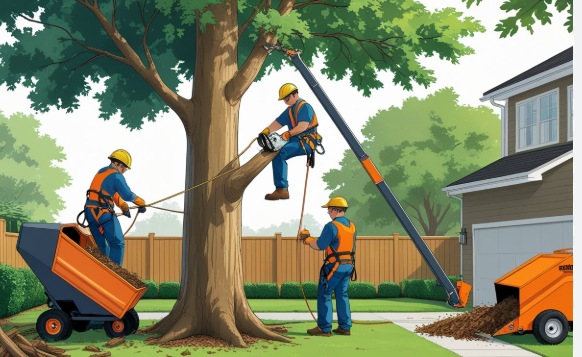
The process begins with a careful evaluation of the tree and surrounding area. Professionals inspect the tree’s condition, size, structure, and potential risks before deciding on the best approach. This assessment helps determine the equipment needed and the safest way to complete the work.After planning, the removal process usually involves carefully cutting the tree into manageable sections. Instead of allowing the entire tree to fall at once, professionals often remove branches and sections gradually. This controlled method reduces risks and helps protect nearby property from accidental damage.After the tree has been removed, cleanup is an important final step. Branches, wood pieces, and other debris need to be properly handled so the area can be restored. Many services include cleanup options to ensure the property is left in a neat and usable condition after the project is complete.
Benefits of Removing Unsafe or Unwanted Trees
Removing a problematic tree can provide several important benefits for property owners. One major advantage is improved safety because eliminating unstable trees reduces the risk of falling branches or unexpected collapse. This creates a more secure environment for families, employees, visitors, and surrounding property.Another benefit is protecting valuable structures and outdoor features. Trees that are damaged or improperly positioned can create ongoing maintenance problems. Removing them helps reduce potential damage to buildings, vehicles, landscaping elements, and other important areas around the property.Tree removal can also improve the overall appearance of a landscape. Removing unhealthy or unwanted trees creates space for new designs, improved sunlight exposure, and better plant growth. With proper planning, the area can be transformed into a more attractive and functional outdoor space.
Factors to Consider Before Removing a Tree
Before starting a tree project, several factors should be evaluated carefully. The condition of the tree is one of the most important considerations because not every damaged tree requires immediate removal. A professional assessment can help determine whether treatment, trimming, or complete removal is the best option.The size and location of the tree also influence the process. Larger trees or those located near buildings require additional planning and specialized equipment. Understanding these challenges helps ensure that the project is completed safely and efficiently without unnecessary complications.Environmental considerations should also be reviewed before making a final decision. Trees provide important benefits, including shade, habitat, and air quality improvements. When removal is necessary, planning for replacement trees or alternative landscaping options can help maintain a balanced outdoor environment.
Preparing Your Property for the Removal Process
Proper preparation can make the removal process smoother and more efficient. Before work begins, property owners should clear the surrounding area of vehicles, outdoor furniture, decorations, and other items that could be affected. Creating an open workspace allows professionals to complete their tasks more safely.Communication with the service provider is also important. Discussing access points, concerns, and expectations before the project begins helps prevent misunderstandings. Clear planning ensures that everyone understands the process and what will happen during each stage of the work.Choosing a trusted company for tree removal can make a significant difference in the overall experience. Professional teams provide knowledge, safety practices, and proper equipment to handle challenging situations. A well-planned approach leads to better results and reduces unnecessary stress during the project.
Maintaining Your Landscape After Tree Removal
After a tree has been removed, proper landscape care helps restore and improve the area. The remaining space can be used for new plants, grass, gardens, or other outdoor features. Planning the next steps allows property owners to make the most of the available space.Stump management is another important consideration after removal. Remaining stumps can affect the appearance of a landscape and may create obstacles for future projects. Depending on the situation, property owners may choose options such as stump removal or grinding to completely clear the area.Regular landscape maintenance after the project helps ensure long-term results. Proper watering, planting, and care support healthier outdoor spaces and allow new vegetation to grow successfully. A thoughtful approach after removal helps create a balanced and attractive environment.
Choosing the Right Approach for Your Tree Care Needs
Every property has different tree care requirements, so decisions should be based on the specific situation. Factors such as tree condition, safety concerns, property layout, and future landscape goals all influence the best solution. Taking time to evaluate these details helps ensure better outcomes.For many situations, professional tree removal provides the safest and most effective way to handle dangerous or unwanted trees. Experienced professionals understand the challenges involved and use appropriate methods to protect people and property throughout the process.Proper tree management is an important part of maintaining a safe and beautiful outdoor environment. Whether dealing with damaged trees, landscape changes, or safety concerns, making informed decisions leads to better results. A careful approach ensures that the property remains functional, attractive, and protected.
Final Thoughts on Responsible Tree Management
Trees play an important role in landscapes, but there are times when removal becomes the most responsible choice. Damaged, diseased, or poorly positioned trees can create risks that should not be ignored. Understanding the reasons, benefits, and process involved helps property owners handle these situations more effectively.Professional tree removal services provide the experience and equipment needed to complete difficult projects safely. From initial assessment to final cleanup, proper planning ensures that the work is performed efficiently and with minimal disruption.Making thoughtful decisions about tree care allows property owners to maintain safer and more attractive spaces. By understanding when removal is needed and working with experienced professionals, tree management becomes a simpler and more effective process. Proper care today can help protect property and support healthier landscapes for the future.