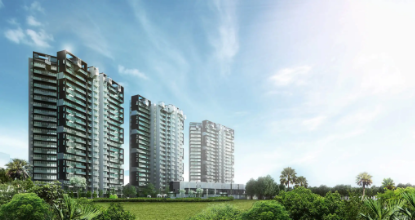
Buying a private property in Singapore is a major milestone, but many buyers overlook the recurring holding costs. Beyond the initial purchase price, monthly maintenance fees can significantly impact your long-term budget. Whether you are looking at premium boutique developments like Thomson Reserve or massive suburban projects, understanding how these fees are calculated is essential. These monthly contributions keep the estate running, maintaining both your lifestyle and your property value. This guide breaks down the hard facts about condominium maintenance fees in Singapore, helping you avoid unexpected financial surprises after you collect your keys.
How Share Value Determines Your Maintenance Fees
In Singapore, your monthly maintenance fee is not a random number chosen by the developer. Instead, it is directly tied to the share value assigned to your unit by the Building and Construction Authority (BCA). When a developer builds a project, such as the modern apartments at Lentor Garden, they must allocate share value to every unit based on its floor area.
Understanding the Share Value Scale
Typically, share value starts at 5 for units under 50 square meters and increases by one unit for every additional 50 square meters. For example, a unit between 51 and 100 square meters usually has a share value of 6. The Management Corporation Strata Title (MCST) determines the cost per share value during their annual general meetings. If the MCST decides that each share value costs $70, a homeowner with a share value of 6 will pay $420 monthly. This system ensures that owners of larger units, who theoretically utilize more of the common property or hold a larger stake in the development, pay a proportionate amount. When evaluating new properties, always ask for the estimated share value of your preferred unit layout to project your monthly overheads accurately.
The Critical Difference Between Maintenance and Sinking Funds
Your monthly contribution actually splits into two distinct accounts: the maintenance fund and the sinking fund. Understanding where your money goes is crucial for assessing whether your estate is managed well.
The Maintenance Fund for Daily Operations
The maintenance fund covers the day-to-day operational expenses of the condominium. This includes paying security guards, hiring cleaners for the common corridors, maintaining the swimming pool, landscaping, and paying the electricity bills for common area lighting. Without a healthy maintenance fund, the estate quickly falls into disrepair, which directly hurts rental yields and resale prices.
The Sinking Fund for Long-Term Survival
The sinking fund is a reserve cash pot reserved for major, non-recurring capital expenditures. These are expenses that only occur every few years or decades. Examples include repainting the entire building facade, replacing aging lift systems, upgrading security access systems, or repairing structural roof leaks. A well-managed estate must maintain a robust sinking fund. If a condo does not save enough money in its sinking fund over time, the MCST may have to levy a sudden, hefty lump-sum contribution from all owners when a major repair arises. This scenario can cause significant financial strain for unprepared homeowners.
Why Development Size and Unit Count Dictate Your Bill
One of the biggest factors influencing your monthly bill is economies of scale. Buyers often assume that smaller, exclusive developments will have lower maintenance fees because they have fewer facilities. In reality, the opposite is usually true.
The Economy of Scale in Mega-Developments
Consider a mega-condominium with 1,000 units. While it may feature multiple swimming pools, tennis courts, and a massive clubhouse, the cost of maintaining these amenities is split among 1,000 households. The share value cost per unit remains relatively low, often ranging between $250 and $350 per month.
The Premium Cost of Boutique Living
Conversely, boutique developments like Thomson Reserve offer unmatched privacy and exclusivity, but they have a much smaller pool of owners to share the overheads. If a boutique condo has only 30 units, the cost of employing a security team and maintaining a single pool is divided by just 30 families. Consequently, monthly fees in boutique projects can easily exceed $600 to $800, even with fewer amenities. When shopping for a home, you must decide whether you prefer the quiet exclusivity of a boutique project or the cost efficiency of a larger estate.
Hidden Factors That Can Drive Up Maintenance Expenses
While size and share value form the foundation of your fees, several hidden factors can cause maintenance costs to escalate over time. Buyers must look beyond the initial brochure to identify these potential cost drivers.
Complex Architectural Features and Private Lifts
Properties with unique architectural features often carry premium maintenance bills. For instance, units with private lifts require specialized, frequent servicing. If you purchase a unit at Lentor Garden that features private lift access, your maintenance contribution will reflect this luxury. Similarly, extensive water features, cascading waterfalls, and vertical green walls require intensive upkeep and chemical treatments, driving up utility and labor costs.
The Age of the Estate
As a condominium ages, mechanical and electrical systems inevitably deteriorate. Pumps fail, plumbing leaks occur, and concrete spalling requires attention. If the MCST has not managed the sinking fund prudently during the early years, they will be forced to raise the monthly maintenance fees to cover these escalating repair costs. When buying a resale property, always review the past AGM minutes to check if the management has a history of raising fees or if there are outstanding structural repairs that require urgent funding.
Tips for Managing and Evaluating Condo Maintenance Costs
Managing your property expenses requires a proactive approach during the buying process. You should never treat maintenance fees as an afterthought, as they represent a permanent monthly commitment for as long as you own the property.
Review the MCST Financial Statements
If you are purchasing a resale unit, request the latest financial statements of the estate. Check the balance of both the maintenance and sinking funds. A healthy sinking fund indicates a responsible management committee that plans for the future. If the fund is dangerously low, expect a fee hike or a special levy in the near future.
Factor Fees Into Your Debt-to-Income Ratio
When banks calculate your loan eligibility, they look at your Debt Servicing Ratio. However, they do not include maintenance fees. You must manually factor these fees into your monthly cash flow calculations. If you are choosing between a unit in a new launch and an older resale property, compare the projected fees side-by-side. Sometimes, a slightly more expensive property with lower maintenance fees can be more affordable on a monthly cash flow basis than a cheaper property with exorbitant monthly upkeep costs.
Conclusion
Managing the financial realities of property ownership in Singapore requires looking beyond the initial purchase price. Condo maintenance fees are a necessary, permanent expense that directly preserves your asset value over time. Whether you opt for the exclusive, private setting of Thomson Reserve or a highly connected development like Lentor Garden, understanding share value, sinking funds, and economies of scale is vital. By analyzing these factors before signing the option to purchase, you ensure that your dream home remains a sound and sustainable investment for years to come.