Introduction
An air conditioning system is one of the most important components of a comfortable indoor environment. It provides consistent cooling, helps regulate humidity, and supports better indoor air quality throughout the year. However, like any mechanical equipment, every air conditioning system has a limited lifespan. As years of operation take their toll, components begin to wear out, efficiency decreases, and repair costs often become more frequent. When these issues begin affecting comfort and operating expenses, investing in a professional ac replacement may become the most practical long-term solution.
Replacing an outdated air conditioning system is more than simply installing new equipment. It is an opportunity to improve energy efficiency, enhance indoor comfort, reduce utility costs, and take advantage of modern HVAC technology. Today’s cooling systems are designed with advanced features that provide better performance, quieter operation, improved airflow, and greater reliability than many older models.Professional replacement services ensure the new equipment is properly sized, correctly installed, and carefully tested for optimal performance. Experienced HVAC technicians evaluate the home’s cooling requirements, recommend suitable equipment, and complete the installation according to manufacturer specifications. Proper installation plays a major role in ensuring the new system delivers dependable comfort for many years.
Knowing When Replacement Is the Better Option
While many air conditioning problems can be resolved through repairs, there comes a point when replacing the system becomes more cost-effective than continuing to repair aging equipment. Frequent breakdowns, declining efficiency, expensive repair bills, and inconsistent cooling often indicate that the existing system is nearing the end of its service life.Older air conditioners generally consume more energy than newer models because of outdated technology and worn internal components. Even after repairs, these systems may continue operating inefficiently, leading to higher monthly utility expenses.Homeowners should also consider the age of the equipment. Air conditioners that have been in service for many years may no longer provide reliable performance and may require increasing maintenance to remain operational. Replacing the system before complete failure helps avoid unexpected emergencies and allows homeowners to plan the upgrade more effectively.
Benefits of Installing a New Cooling System
A new air conditioning system provides numerous benefits that extend beyond improved cooling. Modern equipment is designed to deliver greater energy efficiency, helping reduce electricity consumption while maintaining consistent indoor temperatures.Improved airflow allows cooled air to circulate more evenly throughout the home, eliminating uncomfortable hot spots and enhancing overall comfort. Many newer systems also operate more quietly, creating a more peaceful indoor environment.Advanced technology has introduced features such as variable-speed motors, smart thermostat compatibility, improved humidity control, and enhanced filtration systems. These innovations help homeowners enjoy greater comfort while improving indoor air quality and reducing energy waste.
Energy Efficiency and Long-Term Savings
Energy efficiency is one of the biggest reasons homeowners choose to replace aging cooling equipment. Modern air conditioning systems are designed to meet higher efficiency standards, allowing them to cool homes using less energy than older units.A more efficient system requires less effort to maintain comfortable temperatures, reducing strain on internal components while lowering monthly operating costs. Over time, these energy savings can help offset the investment made in new equipment.Professional installation further improves efficiency by ensuring proper airflow, correct refrigerant levels, and accurate system calibration. Every part of the installation process contributes to maximizing long-term performance.
Choosing the Right Air Conditioning System
Every home has different cooling requirements, making proper system selection an essential part of the replacement process. Factors such as home size, insulation, ceiling height, window placement, occupancy, and existing ductwork all influence equipment recommendations.Professional HVAC technicians perform detailed evaluations before recommending a replacement system. Their assessment ensures homeowners receive equipment that matches their specific cooling needs rather than selecting a unit that is too large or too small.Proper sizing helps improve efficiency, maintain balanced indoor temperatures, and reduce unnecessary equipment wear.
The Importance of Professional Installation
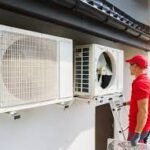
Even the highest-quality air conditioning system cannot perform properly if it is installed incorrectly. Professional installation ensures every component is connected, calibrated, and tested according to manufacturer guidelines.Experienced technicians verify electrical connections, refrigerant charge, airflow, thermostat operation, drainage systems, and overall performance before completing the installation. This attention to detail helps maximize equipment lifespan while reducing future repair risks.Professional ac replacement provides homeowners with confidence that their investment has been installed correctly and is ready to deliver dependable cooling for years to come.
Preparing for a New Air Conditioning Installation
Replacing an aging air conditioning system requires careful planning to ensure the installation process goes smoothly. Before installation begins, HVAC professionals evaluate the existing equipment, inspect ductwork, verify electrical connections, and assess the home’s cooling requirements. This detailed preparation helps identify any issues that could affect the performance of the new system.Technicians also remove the old equipment safely while ensuring all components are disposed of according to industry standards. Proper preparation allows the installation team to complete the replacement efficiently while minimizing disruption to the household. Homeowners benefit from a system that is installed correctly from the very beginning, providing dependable performance and improved comfort.
Improving Indoor Air Quality with a New System
Modern air conditioning systems do much more than cool indoor spaces. Many newer units include advanced filtration capabilities and improved airflow technology that help maintain cleaner indoor air. Better filtration captures dust, pollen, and other airborne particles before they circulate throughout the home.Improved humidity control also contributes to healthier indoor conditions by reducing excess moisture that can encourage mold growth and create uncomfortable living environments. Combined with routine maintenance and regular filter replacement, a new cooling system helps create fresher, cleaner indoor air for everyone in the household.
Lower Maintenance Requirements
Older air conditioning systems often require frequent repairs as components begin to wear out. Compressors, blower motors, electrical parts, and refrigerant systems become more susceptible to breakdowns after years of continuous operation. Replacing outdated equipment reduces the likelihood of recurring repair costs while providing greater peace of mind.Modern systems are built using advanced engineering and durable components that improve long-term reliability. Although regular maintenance remains essential, newer equipment generally requires fewer major repairs during its early years of operation, allowing homeowners to focus on enjoying dependable comfort instead of scheduling repeated service appointments.
Smart Technology and Modern HVAC Features
Today’s air conditioning systems include innovative technology designed to improve both comfort and efficiency. Many models are compatible with smart thermostats that allow homeowners to control indoor temperatures remotely using mobile devices. Programmable settings help optimize cooling schedules, reduce unnecessary energy use, and maintain consistent comfort throughout the day.Variable-speed motors, advanced compressors, and intelligent control systems automatically adjust cooling output based on indoor conditions. These features improve efficiency while maintaining more stable temperatures and quieter operation compared to older equipment.
Why Professional Installation Matters
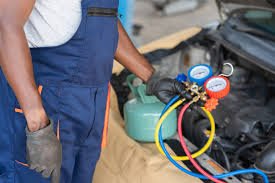
Installing a new air conditioner involves much more than connecting a few components. Proper refrigerant charging, electrical connections, airflow balancing, thermostat calibration, and system testing all play important roles in long-term performance. Even small installation mistakes can reduce efficiency and shorten equipment lifespan.Experienced HVAC technicians follow manufacturer specifications and industry best practices throughout the installation process. For homeowners seeking dependable cooling, improved efficiency, and professional ac replacement, qualified HVAC specialists provide complete installation services that maximize equipment performance while protecting the investment.
Protecting Your Investment Through Routine Maintenance
After a new air conditioning system has been installed, regular maintenance becomes the key to preserving its performance. Annual inspections help technicians verify refrigerant levels, inspect electrical components, clean coils, replace filters, and evaluate overall system operation before heavy cooling seasons begin.Routine maintenance reduces unnecessary wear, improves efficiency, and helps identify developing concerns before they require expensive repairs. A proactive maintenance schedule allows homeowners to enjoy reliable cooling while maximizing the lifespan of their new equipment.
Long-Term Value of Replacing an Aging Cooling System
Investing in a modern air conditioning system provides benefits that continue long after installation is complete. Improved energy efficiency lowers monthly utility costs, while dependable performance minimizes repair expenses and unexpected equipment failures. A modern cooling system also enhances property value and creates a more comfortable indoor environment for daily living.As HVAC technology continues to advance, professionally installed systems are easier to upgrade with smart controls, zoning solutions, improved filtration, and additional energy-saving accessories. These improvements allow homeowners to continue enhancing comfort without replacing the entire system.
Conclusion
Replacing an aging air conditioning system is one of the most effective ways to improve comfort, efficiency, and long-term reliability. Modern cooling equipment offers advanced technology, quieter operation, lower energy consumption, and improved indoor air quality while reducing the likelihood of costly repairs.Professional ac replacement ensures the new system is properly selected, expertly installed, and thoroughly tested for dependable operation. Combined with regular maintenance and professional HVAC care, a new cooling system provides years of reliable comfort, greater efficiency, and lasting value for homeowners seeking dependable climate control.