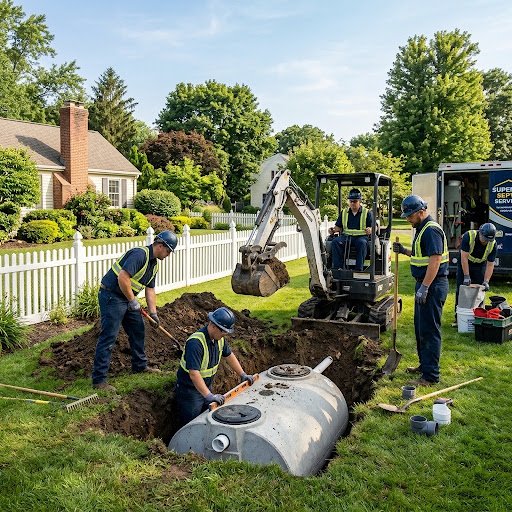
Septic problems rarely announce themselves politely. One day everything is fine; the next, you’re dealing with slow drains, foul odors in the yard, or—worst case—sewage backing up into your home. At that point, the question isn’t whether your system needs attention. It’s whether repair is still a realistic option, or if a full replacement is the smarter move.
That’s exactly where Septic Advisor comes in.
Why Septic System Replacement Isn’t Something to Put Off
A failing septic system doesn’t get better on its own. Ignoring the warning signs—soggy patches near the drain field, gurgling pipes, or unusually green grass over the tank—typically leads to more extensive damage, higher costs, and potential health hazards. Wastewater that isn’t properly treated can contaminate groundwater, affect neighboring properties, and create serious liability issues for homeowners.
The average septic system has a lifespan of 20 to 40 years, depending on the type, maintenance history, and soil conditions. When a system reaches the end of that range, repairs become a game of diminishing returns. You fix one component, and another fails shortly after. Replacement eliminates that cycle and gives your property a clean, reliable foundation for decades to come.
What Makes Septic Advisor Different From the Rest
There’s no shortage of contractors willing to dig up your yard and hand you a bill. What sets Septic Advisor apart is the level of expertise, transparency, and genuine care that goes into every project.
The Septic Advisor team doesn’t just swap out an old tank and call it a day. Every replacement starts with a thorough evaluation of your current system, your property’s soil composition, your household’s usage demands, and local regulatory requirements. That upfront assessment shapes every decision that follows—from the type of system recommended to the installation timeline.
Homeowners consistently appreciate not being kept in the dark. Septic Advisor walks clients through each phase of the process, explaining what’s happening and why. No confusing jargon. No surprise charges. Just honest, professional service from people who know septic systems inside and out.
The Right System for Your Property
Not all septic systems are created equal, and not every property calls for the same solution. Septic Advisor works with a range of system types to ensure the right fit for each unique situation:
- Conventional systems — The most common choice for properties with adequate soil drainage and sufficient space for a standard drain field.
- Chamber systems — A reliable alternative in areas where gravel is scarce or where environmental conditions call for a different approach.
- Aerobic treatment units (ATUs) — Ideal for smaller lots or properties with challenging soil conditions, these systems treat wastewater more intensively before dispersal.
- Mound systems — Designed for sites where the natural water table is too high or the soil is too shallow for a traditional drain field.
Choosing the wrong system type can lead to premature failure and costly do-overs. Septic Advisor’s experience across all of these configurations means homeowners get a recommendation based on facts—not convenience.
What the Replacement Process Actually Looks Like
One of the biggest sources of anxiety for homeowners is simply not knowing what to expect. Here’s how Septic Advisor approaches a typical replacement project:
- Initial Assessment
A detailed inspection of the existing system identifies what’s failed, what’s still functional, and what the soil and site conditions look like. This step also includes reviewing any permits or records associated with the current installation. - System Design and Permitting
Based on the assessment, Septic Advisor designs a replacement system tailored to the property. All necessary permits are secured before any work begins—keeping the project compliant and protecting the homeowner from future complications. - Installation
The old system is decommissioned properly, and the new system is installed with precision. Septic Advisor’s team handles everything: excavation, tank placement, drain field setup, and final grading to restore the yard’s appearance as much as possible. - Inspection and Sign-Off
Before the project is considered complete, the new system is inspected to confirm it meets all local health and environmental codes. Homeowners receive documentation confirming the installation is fully compliant.
Protecting Your Investment Long-Term
A new septic system is a significant investment—typically ranging from $3,000 to over $15,000 depending on system type, property size, and regional factors. Protecting that investment starts the moment installation is complete.
Septic System Replacement doesn’t just mean handing over a finished installation and walking away—it means giving homeowners the knowledge, support, and maintenance options they need to keep their new system performing at its best for years to come.
That includes guidance on what not to flush, how often to schedule pumping, signs of early trouble to watch for, and when to call for a professional check-up. Small habits make a big difference in system longevity, and Septic Advisor makes sure every client leaves with the information they need.
Ready to Move Forward? Septic Advisor Is Here to Help
A failing septic system creates stress, disruption, and uncertainty. A completed replacement—done right—removes all of that. It restores function to your home, protects your property value, and gives you genuine peace of mind.
Septic Advisor has helped hundreds of homeowners navigate this process with confidence. The combination of technical expertise, transparent communication, and commitment to quality makes every project one worth being proud of.
If your system is showing its age—or if you already know replacement is inevitable—don’t wait for the situation to get worse. Reach out to Septic Advisor today and take the first step toward a system that works as hard as you do.