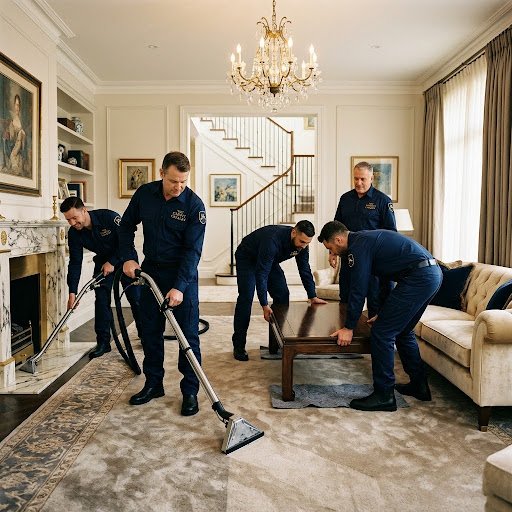
Carpets take a beating every single day. Foot traffic, pet dander, spilled drinks, dust mites—all of it quietly builds up beneath the surface, long after a quick vacuum has made things look “fine.” The truth is, appearances can be deceiving, and a carpet that looks clean is often far from it.
This post explores why professional carpet care isn’t a luxury—it’s a practical investment in the health, comfort, and appearance of your home. And why settling for anything less than expert service is a decision most homeowners come to regret.
What’s Actually Living in Your Carpet Right Now?
Most people are surprised to learn that carpets can harbor up to 200,000 bacteria per square inch—significantly more than the average toilet seat. Beyond bacteria, common carpet contaminants include:
- Dust mites and their waste, which are a leading trigger for asthma and allergies
- Pet dander, which embeds deep into carpet fibers and resists regular vacuuming
- Mold spores, particularly in humid climates or homes with recent water exposure
- Volatile organic compounds (VOCs), tracked in from outdoors and absorbed by carpet fibers over time
Standard household vacuums remove surface debris but rarely penetrate the deeper layers where these contaminants settle. Over time, this buildup affects indoor air quality, aggravates respiratory conditions, and shortens the lifespan of your carpet significantly.
The Hidden Cost of Ignoring Carpet Maintenance
Replacing carpets is expensive. Depending on the size of your home and the materials you choose, full carpet replacement can run into the thousands of dollars. The irony? Most carpets are replaced prematurely—not because they’re worn out structurally, but because they look dirty, smell stale, or have stains that homeowners assume are permanent.
Regular professional cleaning changes that equation entirely. Deep cleaning removes the abrasive grit and soil particles that grind against carpet fibers with every step, effectively slowing down the rate of wear. Many manufacturers also require documented professional cleaning to keep carpet warranties valid—a detail that catches homeowners off guard during the claims process.
The math is simple: routine professional care costs a fraction of what early replacement does, and it keeps your home looking sharp in the meantime.
Why DIY Carpet Cleaning Often Falls Short
Rental machines are widely available, and the appeal of handling things yourself is understandable. But the results rarely match expectations—and sometimes make things worse.
Consumer-grade carpet cleaning machines operate at significantly lower water pressure and temperature than professional equipment. This limits their ability to break down deep-set stains and extract embedded debris effectively. Worse, over-wetting is a common issue with rental units. When carpets aren’t dried properly, moisture trapped beneath the surface creates ideal conditions for mold and mildew growth.
Then there’s the chemistry. Using the wrong cleaning solution for a particular carpet fiber type—wool, nylon, polyester, or olefin—can cause discoloration, shrinkage, or irreversible fiber damage. Professional technicians assess the material first and match their approach accordingly.
DIY cleaning can be fine for light surface refreshes. For anything deeper, it’s a gamble that doesn’t always pay off.
What Sets a Quality Carpet Cleaning Service Apart?
Not all carpet cleaning services are equal, and knowing what to look for saves time, money, and frustration.
Hot Water Extraction vs. Dry Cleaning: Which Method Is Better for Your Carpets?
Hot water extraction—often called steam cleaning—is widely regarded as the gold standard for residential carpet cleaning. It penetrates deep into carpet pile, dissolves stubborn soiling, and extracts the vast majority of moisture in the same pass. Most major carpet manufacturers recommend this method for routine maintenance.
Dry cleaning methods, by contrast, use chemical compounds or very low moisture to clean the surface. They’re faster and require less drying time, making them suitable for commercial settings or situations where downtime needs to be minimized. For most homes, though, hot water extraction delivers superior results.
What Should You Expect From a Professional Inspection Before Cleaning?
A reputable service provider will always inspect the carpet before starting work. This includes identifying fiber type, assessing the condition of the pile, spotting areas of heavy soiling, and flagging any stains that may require pre-treatment. Skipping this step is a red flag—it suggests a one-size-fits-all approach that may not serve your specific carpet well.
Pre-treatment of high-traffic zones and stains should be standard, not an upsell. If a company charges extra for pre-treatment on every job, it’s worth asking why that isn’t included in the baseline service.
Getting the Most Out of Every Professional Clean
Scheduling a professional clean is only part of the equation. What you do between appointments matters just as much.
- Vacuum regularly, at least twice a week in high-traffic areas, using a vacuum with a HEPA filter for best results.
- Address spills immediately by blotting (never rubbing) with a clean cloth to prevent staining from setting.
- Use entrance mats at all doorways to reduce the volume of soil tracked in from outside.
- Rotate furniture periodically to distribute foot traffic more evenly and prevent uneven wear patterns.
Professional cleaning every 12 to 18 months is the general recommendation for most households. Homes with pets, children, or allergy sufferers benefit from more frequent service—every 6 to 12 months.
A Cleaner Home Starts with the Right Team on the Job
The Carpet Cavalry delivers a level of deep-cleaning expertise, attention to detail, and results-driven professionalism that transforms tired, stained, and worn-looking floors back into one of the most comfortable features of your home—handled from start to finish by trained technicians who treat every room as if it were their own.
Carpets are one of the most used surfaces in any home, and they deserve more than a surface-level fix. When the job is done right, the difference is immediate—cleaner air, softer underfoot feel, brighter colors, and a freshness that carries through every room.
The condition of your floors says a lot about the care that goes into your home. Make sure what they’re saying is worth hearing.
Frequently Asked Questions
How often should I have my carpets professionally cleaned?
For most households, once every 12 to 18 months is sufficient. Homes with pets, young children, or allergy sufferers should consider cleaning every 6 to 12 months to maintain hygiene and air quality.
Will professional cleaning remove all stains?
Most stains respond well to professional treatment, especially when addressed promptly. However, some stains—particularly those involving bleach, dye transfer, or long-set pet urine—may be permanent regardless of the cleaning method used. A professional technician can assess the likelihood of full removal before starting.
How long does it take for carpets to dry after cleaning?
Drying time typically ranges from 4 to 12 hours depending on carpet thickness, humidity levels, and ventilation. Running fans or air conditioning in the cleaned rooms speeds up the process considerably.
Is professional carpet cleaning safe for children and pets?
Yes, provided the cleaning products used are certified non-toxic and the technician allows adequate drying time before foot traffic resumes. Always confirm the products being used if you have sensitivity concerns.