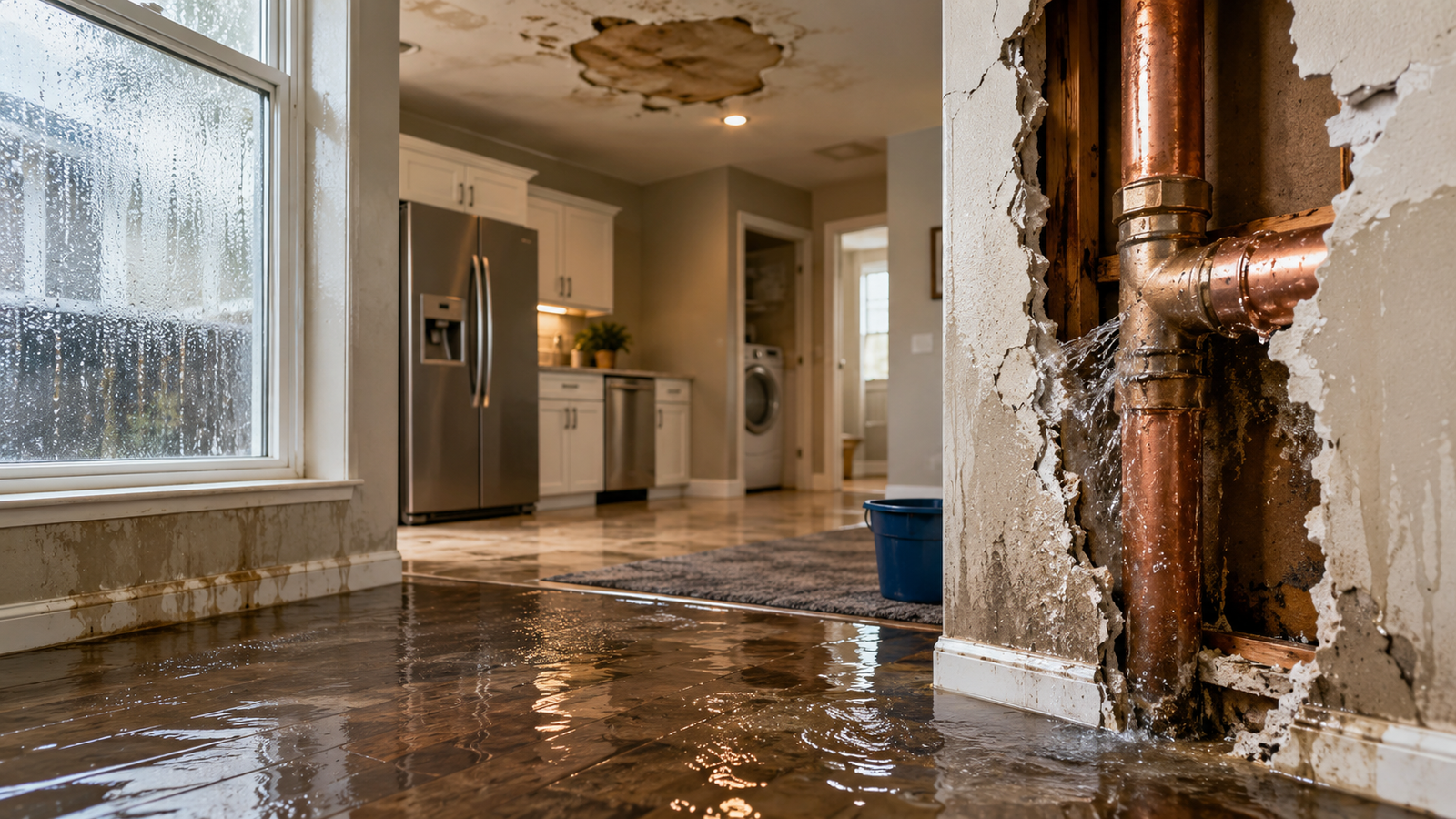
Water damage has a nasty habit of showing up when nobody’s ready for it. One day the roof looks fine, the next there’s a damp patch spreading across the ceiling like it owns the place. Around Australia, especially in spots that cop a fair bit of rain, blocked gutters are one of those quiet troublemakers that people tend to ignore until the damage is already underway.
It sounds a bit boring at first, doesn’t it? Gutters. Hardly glamorous. Still, they do a fair chunk of work when storms roll in. If they’re packed with leaves, mud, roof grit, or the odd tennis ball that somehow ended up there, water has nowhere sensible to go. It spills over the sides, sneaks behind walls, pools near foundations, and starts causing grief.
Why blocked gutters cause so much trouble
Gutters are meant to carry rainwater away from the house. Simple enough. When they’re clogged, the water backs up and starts looking for the easiest escape route. That usually means places you really would rather it didn’t go.
Overflowing gutters can lead to:
- Roof leaks and stained ceilings
- Rotting fascia boards
- Damaged wall linings
- Mould growth in damp corners
- Foundation issues from water pooling around the house
In older Australian homes, especially weatherboard places or houses with ageing timber trims, the damage can creep in quietly. A bit of trapped moisture here, a little swelling there, and suddenly the repair bill starts looking rude.
What tends to clog gutters in Australia
Australia has no shortage of things that love landing in gutters. Gum leaves are probably the most obvious culprit. They’re slippery, stringy, and they have a way of packing together like they’ve got a mortgage there. Add seed pods, bark bits, dirt, and birds nicking nesting materials, and the whole system gets jammed up before long.
In suburban areas, gutters often get hit with debris from street trees, neighbouring gardens, and windy weather. Coastal homes can cop extra salt and grit, while bushier regions deal with heavier leaf fall. After a summer storm, it’s not unusual to find gutters filled with more leaf soup than rain channel.
Early signs that your gutters are causing water damage
The frustrating thing about water damage is that it often starts with tiny clues. Nothing dramatic. Just little hints that something’s off.
- Water spilling over the edge of the gutter during rain
- Brown marks on external walls
- Peeling paint near rooflines
- Musty smells inside the home
- Drips or stains appearing on ceilings
- Sagging sections of guttering
If water is not flowing through the downpipes the way it should, that’s a red flag too. Sometimes the issue is a partial blockage, which is a bit sneaky because everything looks mostly fine until a decent downpour exposes the problem.
How to keep gutters from turning into a water trap
The good news is that this sort of water damage is often avoidable with a bit of regular care. Nothing fancy. Just a bit of routine attention before the next storm comes along acting like it pays the electricity bill.
Clear out debris regularly
Leaves, twigs, and muck build up faster than most people expect. A seasonal clean-up helps keep water moving freely. Homes near trees may need more frequent attention, especially after windy weeks or heavy leaf fall.
Check for sagging or cracked sections
Even if the gutters are clean, damage to the guttering itself can stop proper drainage. Loose brackets, small cracks, and rust spots can all create trouble. A tiny split can grow into a bigger headache once rain starts pounding through it.
Make sure downpipes are flowing freely
Downpipes get forgotten a lot. Fair enough, they’re not exactly the star of the show. Still, if one is blocked, the whole drainage system suffers. Water backs up quickly and starts overflowing at the gutter line.
Trim nearby branches
Overhanging trees are lovely for shade, but they’re also a steady source of debris. Keeping branches trimmed back means fewer leaves in the gutters and less chance of damage during storms.
Watch the slope of the gutters
Gutters need the right angle so water runs towards the downpipes. If they’ve shifted over time, water can pool instead of draining away. That standing water can speed up rust and add extra strain to the fittings.
A small job now can save a big mess later
Plenty of homeowners put off gutter maintenance because it feels like one of those jobs that can wait. Fair enough, until the rain starts. Then the whole thing becomes urgent in a hurry. A blocked gutter might seem harmless on a dry afternoon, but once the clouds open up, it can turn into a costly mess.
That’s why many people get help with gutter cleaning before storm season kicks in. It keeps water where it belongs and takes a fair bit of pressure off the roof, walls, and foundations.
When repairs are a better option
Sometimes cleaning is not enough. If the guttering is rusted through, badly warped, or pulling away from the roofline, repairs or replacement might be the smarter move. There is no point in patching up something that’s already given up the ghost.
Signs that repairs may be needed include:
- Repeated leaks after cleaning
- Rust holes or split joints
- Loose fixings that keep coming undone
- Sections of gutter that hold water no matter what
- Visible damage after storms or fallen branches
In a place like Australia, where weather can swing from dry heat to wild rain without much warning, a reliable gutter system is a proper safety net. It is not the sort of thing people chat about over coffee, but it definitely matters when the rain starts hammering the roof.
What water damage can cost if gutters are ignored
A blocked gutter might begin with a few leaves and end with repairs that chew through the budget. Mould removal, repainting, timber replacement, roof patching, and internal fixes can all stack up. Sometimes the damage spreads in ways that are not obvious at first, which is part of the trouble. By the time it gets noticed, it may have already soaked into places that take time and money to repair.
There’s also the comfort side of it. Damp smells, stained walls, and water marks on the ceiling make a home feel tired fast. Nobody wants to look up during dinner and see a suspicious brown patch overhead. Not exactly the dinner conversation anyone hopes for.
Keeping an eye on the little things
Blocked gutters may seem minor, but they are one of the easiest ways for water damage to sneak into a home. A bit of upkeep goes a long way. Clean them, check them, keep an eye on the parts that look worn out, and sort problems before the weather does it for you.
Homes across Australia face all sorts of weather, and gutters cop the brunt of it. A little attention here saves a lot of stress later. That’s a trade most people would happily take.