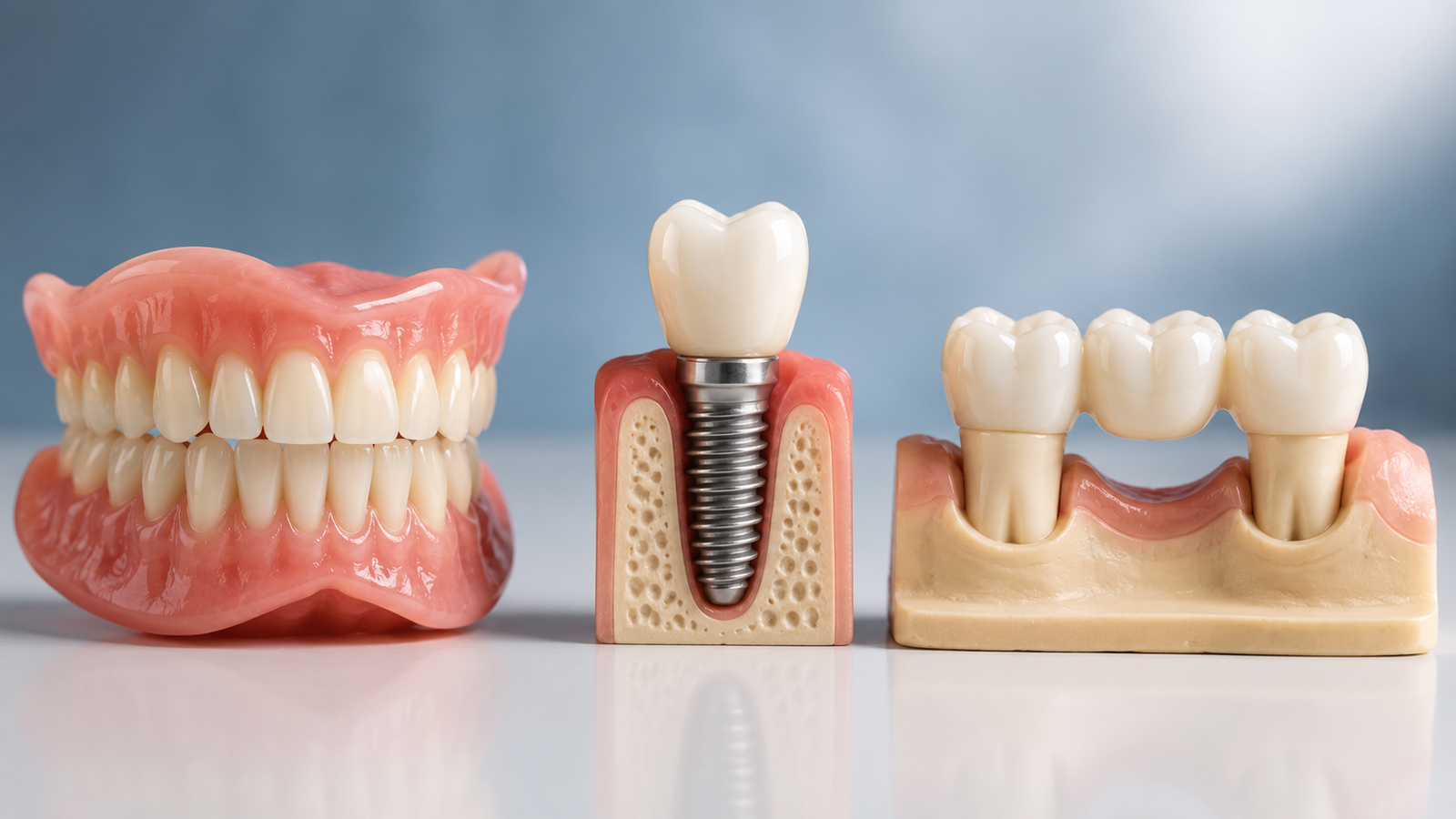
For anyone trying to make sense of it all, the choice usually comes down to comfort, upkeep, stability, and how much faff they want to deal with later. That is where implants often start looking rather appealing.
What Makes Dental Implants Different?
Dental implants are designed to replace the root of a missing tooth, not just the visible part. A small titanium post is placed in the jaw, then a crown sits on top once healing has taken place. The result feels much closer to a natural tooth than many people expect.
That root-level support matters. It helps keep the jawbone stimulated, which is something dentures and traditional bridges simply do not manage in the same way. Over time, that can make a real difference to facial shape and oral health. Bit of a quiet hero, really.
For Australians who want a fixed solution rather than something that comes out at night like a dental prosthetic with a curfew, implants tend to stand out. They are not trying to imitate a tooth in a half-hearted way. They are built to function like one.
How Dentures Compare
Dentures have helped millions of people over the years, and they still suit many situations. They are usually the more affordable starting point and can replace several teeth at once. For some patients, that makes them the practical pick, especially when several teeth are missing and a quicker solution is needed.
Still, dentures come with a few quirks. They can move about, rub in awkward places, and sometimes need adhesives to stay put. Anyone who has had to fumble with denture glue before breakfast probably knows the special kind of patience this takes. In hot Australian weather, too, dentures can feel less reliable when eating or speaking for long stretches.
They also do not protect the jawbone in the same way implants do. Over time, the fit can change as the bone underneath naturally reduces. That means relining or replacing them may be needed down the track. For people after a low-maintenance, fixed option, that extra upkeep can start to feel like a bit much.
How Bridges Stack Up
Bridges are another common solution for missing teeth. They work by using the teeth on either side of the gap for support, with a false tooth in the middle. For a small gap, they can restore appearance and chewing function fairly quickly.
The catch is that the neighbouring teeth often need to be filed down to hold the bridge in place. That means healthy teeth are altered, which some people are not especially keen on. It is a bit like borrowing strength from one tooth to help another, which works fine in the short term, though it does ask something of the teeth that are already doing their job.
Bridges also have a lifespan. They may last several years with solid care, but the supporting teeth and gums can still run into issues later. If one part fails, the whole thing can become a nuisance. In a busy household, that is the sort of dental drama nobody asked for.
Why Implants Often Win on Comfort
Comfort is usually one of the first things people notice after treatment. Implants sit securely in the jaw, so they tend to feel much more natural when eating and talking. No slipping, no clicking, no awkward pause before biting into an apple.
That stable fit also gives people more confidence in social settings. A meal out, a work meeting, even a simple chat with friends at the local café can feel easier when there is no worry about a denture shifting halfway through a sentence. Across Australia, where outdoor lunches and long barbecues are part of the rhythm of life, that sort of security matters more than people often expect.
Bridge wearers may also feel fairly comfortable, but the difference is that the bridge depends on neighbouring teeth. Dentures can be comfortable too, though usually only after a decent amount of adjusting and getting used to them. Implants tend to feel settled in a way that is hard to match.
Long-Term Costs Tell a Different Story
At first glance, implants often look more expensive. That is usually the part that makes people blink a bit. Fair enough, because the upfront cost can be higher than dentures or bridges. Yet the long-term picture tells a fuller story.
Dentures may need frequent adjustments, relining, adhesives, and eventual replacement. Bridges can wear out too, and if the supporting teeth run into trouble, more treatment may be needed. Implants, once properly placed and cared for, can last for many years and sometimes decades. That changes the maths quite a bit.
It is a bit like buying shoes. A cheaper pair might do the job for a while, but if you keep replacing them every year, the savings start looking less impressive. People often find that implants make more sense when they think beyond the initial bill.
Oral Health Benefits That Matter
One of the biggest advantages of implants is their effect on surrounding oral health. Because they replace the tooth root, they help preserve the jawbone and reduce the shrinkage that often follows tooth loss. That means the face can maintain its natural support for longer.
Bridges need adjacent teeth to carry the load, which can put them under extra strain. Dentures rest on the gums, so they do not stimulate bone in the same way. Over time, that difference can affect chewing strength, bite alignment, and even the way the mouth ages.
For people who value a solution that works with the mouth rather than just sitting on top of it, implants tend to feel like the more considered option.
When Each Option Makes Sense
There is no one-size-fits-all answer, and that part annoys people sometimes because a neat answer would be lovely. Still, the right choice depends on individual needs.
Dentures may suit someone who wants a faster, lower-cost replacement for several missing teeth. Bridges can work well for a small gap when the surrounding teeth are already suited to the job. Implants often suit people looking for a fixed, durable answer that feels closest to having their own teeth back.
Some patients also explore full-arch implant options when several teeth are missing. In that setting, finding an all on 4 plus clinic in Sydney can open up a more stable alternative to conventional dentures, particularly for those after a full smile restoration without constant movement or removability.
The Australian Angle
Here in Australia, people tend to value practicality. We like things that work, last, and do not create needless hassle. That mindset fits implants rather well. Whether someone is living in Sydney, Melbourne, Perth, or a regional town where specialist visits take a bit more planning, the idea of a long-term fix has clear appeal.
There is also the lifestyle factor. Aussies are big on outdoor meals, travel, sport, and simply getting on with things. A tooth replacement option that stays put through a steak dinner, a weekend away, or a windy day at the beach tends to earn a fair bit of respect.
Even so, access, timing, and budget all play a part. A good dentist will talk through what suits the mouth, the health of the gums, and the patient’s plans rather than pushing one answer for everyone. That sort of straight talk goes a long way.
Final Thought
Dental implants, dentures, and bridges each have their place, but they are not equal in the way they feel, function, or age over time. Dentures can be helpful for affordability. Bridges can be handy for smaller gaps. Implants, though, often come out on top for comfort, stability, and long-term value.
For many people, that extra bit of security is worth a lot. It is not just about replacing a tooth. It is about eating without hesitation, speaking with ease, and smiling without giving it a second thought. And honestly, that sort of peace of mind is hard to beat.