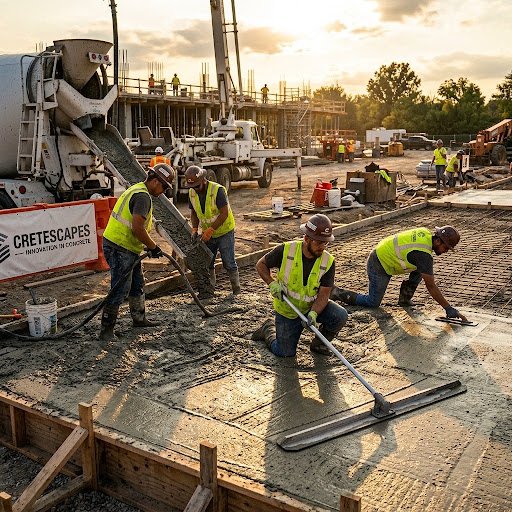
Concrete has quietly become one of the most exciting materials in modern landscaping and outdoor design. Once seen as purely functional—think driveways, sidewalks, and industrial floors—concrete has evolved into a versatile, design-forward medium that’s reshaping how homeowners and businesses think about their outdoor environments. And when it comes to bringing that vision to life, the craftsmanship behind the work makes all the difference.
From decorative patios to precision-poured driveways, the demand for high-quality concrete services has surged. Homeowners want outdoor spaces that are as beautiful as they are durable. Businesses want curb appeal that communicates professionalism. Both need a team that understands not just the technical demands of concrete work, but the artistic potential it holds.
What Makes Concrete the Ideal Choice for Outdoor Spaces?
Concrete’s versatility is hard to match. Unlike timber, which weathers and warps, or pavers that shift over time, a professionally installed concrete surface holds its form through seasons of heat, rain, and heavy use. It can be stamped, stained, polished, or textured to mimic the look of natural stone, brick, or wood—often at a fraction of the cost.
Beyond aesthetics, concrete offers a low-maintenance solution. Once sealed and properly installed, a concrete surface requires minimal upkeep. No resealing every season. No weeding between joints. Just a clean, solid surface that stays looking great year after year.
For homeowners weighing up options for a new patio, pool surround, or driveway, the durability-to-cost ratio of concrete is genuinely difficult to beat. And with modern finishing techniques, it’s never been easier to get a custom look tailored to any style—from sleek and contemporary to warm and rustic.
The Art and Science Behind Professional Concrete Work
Not all concrete work is created equal. The difference between a surface that cracks and crumbles within a few years and one that lasts for decades comes down to preparation, mix design, and finishing technique.
Professional concrete contractors start with the ground itself. Proper subbase preparation—compacting the soil, installing appropriate aggregate layers, and managing drainage—is what gives a slab its long-term stability. Skip those steps, and even the best concrete mix won’t save the surface from shifting and cracking.
Then comes the pour. Timing is everything. Concrete begins to cure quickly, especially in warm or dry conditions. An experienced team works methodically, ensuring the mix is consistent, the forms hold, and the surface is finished before the window closes. Joints are cut at the right intervals to control where cracking occurs—a small technical detail that makes a significant visual and structural difference.
Finally, decorative finishes bring the personality. Stamped concrete can replicate the look of cobblestone, slate, or wood plank. Exposed aggregate adds texture and visual depth. Color hardeners and acid stains create rich, earthy tones that complement natural surroundings. These aren’t afterthoughts—they’re part of the design conversation from the very beginning.
Popular Concrete Services That Elevate Any Property
Concrete Driveways
A driveway is one of the first things people notice about a property. A well-designed, cleanly finished concrete driveway adds immediate curb appeal and sets the tone for the rest of the home. With the right texture and border detailing, it can look far more upscale than standard asphalt or loose gravel alternatives.
Patios and Outdoor Entertainment Areas
Outdoor living is a priority for many homeowners today, and a concrete patio is the foundation—literally—of a great outdoor space. Whether it’s a simple, smooth-finish entertaining area or an elaborate stamped and stained design with integrated steps and retaining walls, concrete delivers the durability and aesthetic range that outdoor spaces demand.
Pool Surrounds
Pool surrounds need to handle constant moisture, UV exposure, and heavy foot traffic. Concrete, when properly mixed and finished with a slip-resistant surface, is one of the best materials available for this application. It can be designed to flow seamlessly with pool coping and surrounding landscape features for a cohesive, resort-style result.
Retaining Walls and Structural Concrete
Beyond flat surfaces, concrete is essential for slope management and structural applications. Retaining walls hold back soil, prevent erosion, and create usable tiered spaces on sloped properties. When designed well, they’re both functional and visually striking elements of a landscape.
Why the Quality of Your Concrete Contractor Matters More Than You Think
Choosing the right contractor is the single most important decision in any concrete project. A low quote might be tempting, but substandard work can result in surfaces that crack, heave, or discolor within a few years—costing far more to repair or replace than the savings ever justified.
The best contractors bring a combination of technical knowledge, quality materials, and a genuine commitment to the finished result. They take time to assess site conditions, discuss design options, and communicate clearly about timelines and expectations. They don’t rush the cure or cut corners on formwork.
CreteScapes delivers expert concrete services that combine structural integrity with exceptional design craftsmanship, giving residential and commercial clients outdoor spaces that perform beautifully for years to come. When quality and visual impact both matter—and they always should—experience and attention to detail at every stage of the project is what separates a truly great result from a disappointing one.
The right team doesn’t just pour concrete. They engineer a surface that withstands the demands of its environment, complements the surrounding architecture, and gives property owners genuine pride in what they see every day.
Building Outdoor Spaces That Last a Lifetime
Concrete, when handled by skilled professionals, is one of the most rewarding investments a property owner can make. It doesn’t demand constant attention. It doesn’t fade quickly or fall apart after a few hard winters. Done right, it becomes a permanent, beautiful part of a home or business that adds real value and everyday enjoyment.
The shift toward concrete in landscaping and outdoor design reflects something homeowners and developers have figured out over time: quality materials, professionally installed, pay for themselves. Beautifully finished concrete patios, driveways, and pool surrounds don’t just improve the look of a property—they improve how people experience it every single day.
If upgrading an outdoor space is on the horizon, starting the conversation with a qualified concrete specialist is the most valuable first step. The right team will bring clarity to the design process, honesty about costs and timelines, and the kind of workmanship that makes the finished result something to be genuinely proud of.
Frequently Asked Questions
How long does a professionally installed concrete surface last?
A properly installed and sealed concrete surface can last 30 years or more with minimal maintenance. Longevity depends on subbase preparation, mix quality, and finishing technique.
Is decorative concrete more expensive than standard concrete?
Decorative finishes like stamping, staining, or exposed aggregate do add to the cost, but the premium is often modest relative to the visual impact. It’s significantly more affordable than natural stone alternatives that achieve a similar look.
How soon can a new concrete surface be used after installation?
Light foot traffic is typically safe within 24–48 hours. Vehicles should stay off a new driveway for at least 7 days, and full curing takes approximately 28 days.
Does concrete crack over time?
Some minor surface cracking is normal as concrete cures and settles. Professional contractors manage this by cutting control joints that guide where cracking occurs, keeping it predictable and largely invisible.