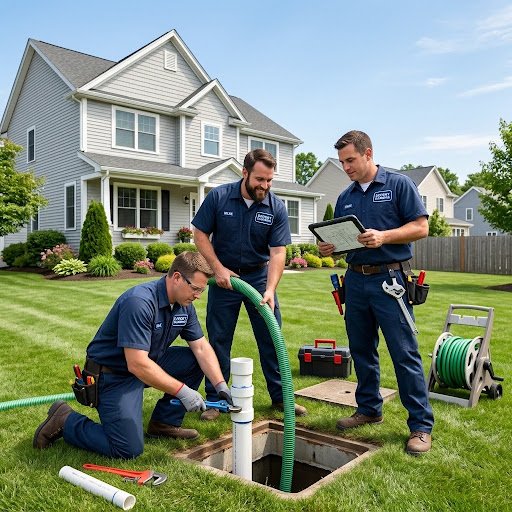
Septic problems don’t wait for a convenient time. They show up on Sunday evenings, holiday weekends, and the morning before an important event. A slow drain here, a foul odor there—and suddenly you’re dealing with a full-blown plumbing emergency that disrupts your entire household. The good news? Getting ahead of these issues—or resolving them quickly when they arise—is entirely possible with the right professionals on your side.
Homeowners across the country are learning that septic and plumbing services aren’t just reactive fixes. They’re investments in the long-term health of your property, your family’s comfort, and the value of your home.
What Makes a Septic System Fail—and Why It Happens Sooner Than You Think
Most homeowners don’t think about their septic system until something goes wrong. That’s completely understandable. It’s underground, out of sight, and easy to forget about—until the day it isn’t.
Septic systems typically fail for a handful of predictable reasons:
- Infrequent pumping: Tanks that aren’t pumped on a regular schedule accumulate solids that eventually overflow into the drain field, causing backups and costly damage.
- Flushing the wrong materials: Wipes, paper towels, grease, and certain household chemicals can clog and corrode system components over time.
- Root intrusion: Tree roots naturally seek out moisture, and septic lines are an attractive target. Over time, roots can crack pipes and obstruct flow.
- Age and wear: Like any system, septic components degrade. Older tanks and drain fields become less efficient and more prone to failure.
The frustrating part? Many of these issues are entirely preventable with routine maintenance and early inspection. A professional eye can catch what homeowners simply can’t see.
The Hidden Costs of Ignoring Plumbing Issues
A dripping faucet might seem trivial, but the math tells a different story. According to the U.S. Environmental Protection Agency (EPA), household leaks can waste nearly 10,000 gallons of water per year. Multiply that across a system with multiple small leaks, and the financial and environmental impact adds up fast.
Beyond wasted water, untreated plumbing problems compound quickly:
- Minor pipe corrosion leads to major pipe bursts
- Slow drains signal deeper blockages that worsen over time
- Water pressure inconsistencies can indicate hidden leaks inside walls or under slabs
- Moisture buildup from neglected leaks invites mold growth
Plumbing isn’t a set-it-and-forget-it system. It requires periodic attention to stay efficient, safe, and functional. Professional plumbing services don’t just fix problems—they prevent the expensive cascade of damage that stems from leaving small issues unaddressed.
Why Professional Septic & Plumbing Services Are Worth Every Penny
There’s a reason experienced homeowners consistently turn to licensed professionals rather than attempting DIY fixes for septic and plumbing work. The complexity involved goes far beyond what a wrench and a YouTube video can handle.
Certified technicians bring diagnostic equipment, years of hands-on experience, and a systematic approach to identifying root causes—not just symptoms. When a technician inspects your system, they’re evaluating the entire picture: pipe integrity, tank condition, drain field health, water pressure, venting, and more.
The value shows up in multiple ways:
Accurate diagnosis: Rather than guessing and replacing parts unnecessarily, professionals pinpoint exactly what’s wrong and address it efficiently.
Code compliance: Septic and plumbing work is regulated for public health reasons. Licensed contractors ensure all work meets local codes, protecting you from liability and failed inspections.
Longer system lifespan: Properly maintained systems last significantly longer. A well-serviced septic tank can function effectively for 25 to 30 years—compared to systems that fail prematurely due to neglect.
Peace of mind: Knowing your home’s water and waste systems are in excellent condition is genuinely priceless. It’s one less thing to worry about.
Septic Pumping, Inspections, and Repairs: What to Expect from a Service Visit
A professional septic service visit is thorough, efficient, and minimally disruptive to your day. Here’s what typically happens:
Technicians begin with a visual inspection and, when appropriate, a camera inspection of the lines. They locate the tank access points, check the inlet and outlet baffles, and assess the scum and sludge layers inside the tank. If pumping is required—and it often is—the process takes anywhere from 30 minutes to a couple of hours depending on tank size and condition.
After pumping, a reputable team will flag any concerns they noticed during the visit: cracks in the tank walls, signs of hydraulic overload in the drain field, root intrusion near the lines, or baffle deterioration. These findings give homeowners a clear picture of their system’s health and what, if anything, needs attention.
For plumbing service calls, visits typically begin with a thorough assessment of the reported issue, followed by a broader check of connected systems. A running toilet, for example, might point to a failing flapper valve—but a technician might also notice that your water heater is showing early signs of corrosion or that your shut-off valves are corroded and difficult to operate in an emergency.
Protecting Your Home’s Value Starts Below the Surface
Real estate professionals consistently note that home inspections revealing septic or plumbing problems are among the most common deal-breakers in property sales. Buyers get nervous. Sellers lose leverage. Transactions fall through.
Maintaining a healthy, well-documented septic and plumbing system isn’t just about daily comfort—it’s a strategic decision that protects your home’s market value. Buyers who see records of regular pumping, professional inspections, and prompt repairs view those homes as lower-risk investments. That translates to stronger offers and smoother closings.
For homeowners who aren’t planning to sell anytime soon, the case is just as strong. A system that runs well costs less to operate, causes fewer emergencies, and adds to the overall quality of daily life in the home.
Choose a Team That Treats Your Home Like Their Own
Modern Septic & Plumbing brings together the kind of skilled, licensed professionals who show up on time, communicate clearly, and treat every job—no matter how routine—with the attention it deserves, delivering the kind of honest, high-quality service that keeps your home’s plumbing and septic systems running smoothly for years to come.
From emergency septic pumping to whole-home plumbing inspections and everything in between, a dedicated team makes all the difference. Homeowners who’ve experienced the frustration of unreliable contractors know exactly what it means to find a service provider they can trust. It’s not just about fixing problems. It’s about building a relationship with a team that knows your home, understands your system, and shows up when you need them most.
Don’t wait for an emergency to find out whether your septic or plumbing system is up to the task. Schedule a professional inspection, ask questions, and get ahead of potential issues before they escalate into costly repairs.
Frequently Asked Questions
How often should a septic tank be pumped?
Most residential septic tanks should be pumped every 3 to 5 years, depending on household size and tank capacity. Larger families or smaller tanks may require more frequent service.
What are the warning signs of a failing septic system?
Common signs include slow drains throughout the home, gurgling sounds in pipes, sewage odors indoors or outdoors, wet or unusually green patches over the drain field, and sewage backups.
Can I use a garbage disposal with a septic system?
Yes, but with caution. Garbage disposals increase the volume of solids entering the tank and may require more frequent pumping. Some septic professionals recommend avoiding or limiting their use.
What’s the difference between a septic inspection and septic pumping?
Pumping removes accumulated solids from the tank. An inspection evaluates the overall condition of the system—including the tank walls, baffles, distribution box, and drain field—to identify existing or potential problems.
How do I know if my plumbing issue is an emergency?
Sewage backups, burst pipes, gas-line concerns, and complete loss of water pressure are emergencies requiring immediate professional attention. Slow leaks, dripping faucets, and minor blockages can typically be scheduled in advance.