Introduction
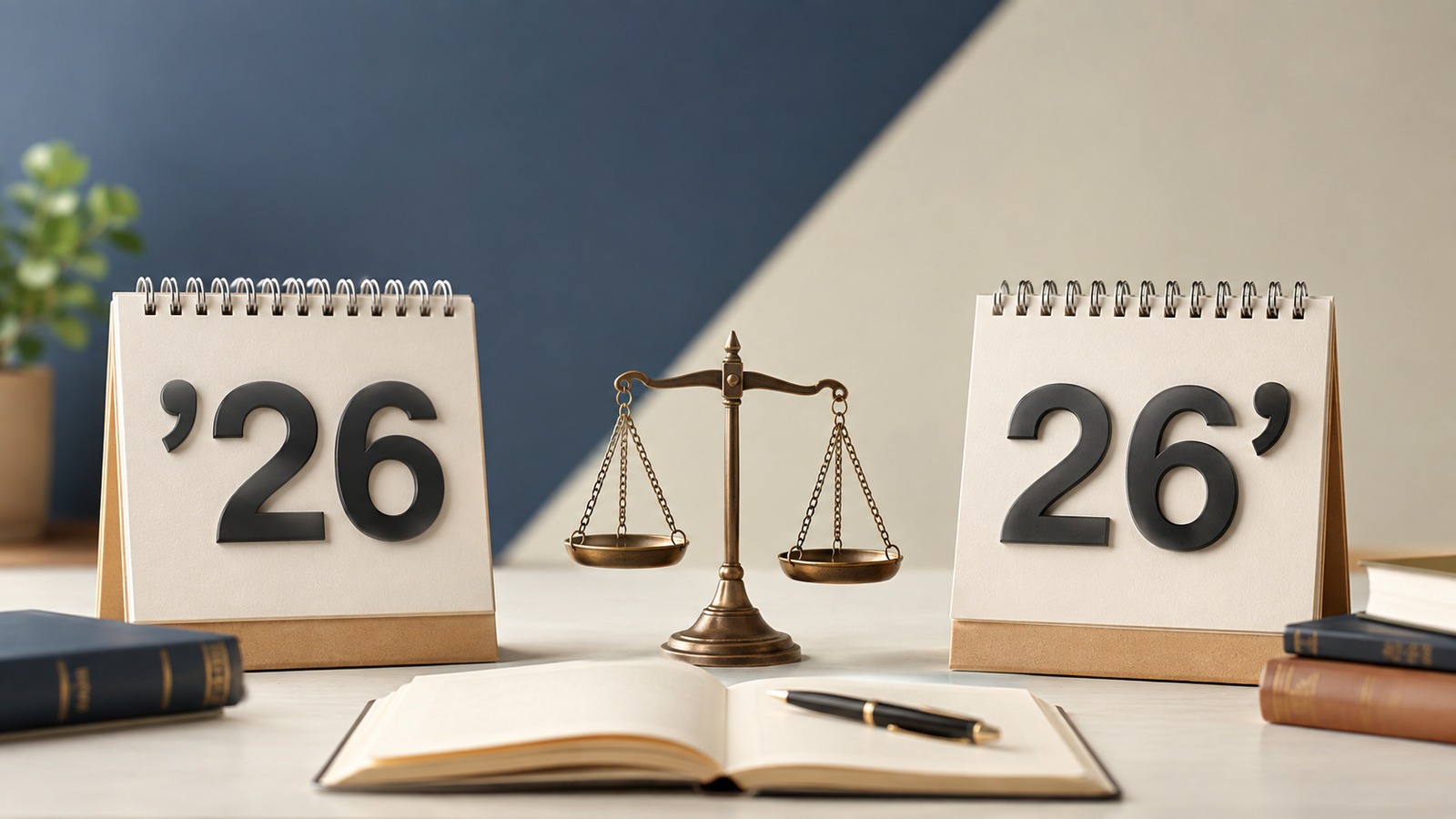
If you’ve ever paused while typing a year and wondered, is it ’26 or 26′, you’re certainly not alone. This seemingly small punctuation question is one of the most common grammar issues people encounter in everyday writing. Whether you’re creating graduation announcements, writing emails, preparing business documents, posting on social media, or drafting blog content, using the correct abbreviated year helps your writing appear more polished and professional.
The confusion usually comes from the apostrophe. Many writers know that shortened years are common, but they are unsure where the apostrophe belongs or whether it should be included at all. While ’26 and 26 look similar, they do not carry the same meaning. One refers to a shortened form of the year 2026, while the other simply represents the number twenty-six.
Understanding this simple grammar rule can improve your writing and eliminate unnecessary punctuation mistakes. In this complete guide, you’ll learn exactly what is it ’26 or 26′ means, why the apostrophe matters, when each version should be used, common errors to avoid, examples from real-life writing, and helpful tips to ensure you always choose the correct format.
What Does “Is It ’26 or 26′” Mean?
The phrase is it ’26 or 26′ asks whether the year 2026 should be shortened using an apostrophe or written without one.
English grammar allows years to be abbreviated by removing the first two digits. When this happens, the missing numbers are replaced with an apostrophe. Because the digits “20” are omitted from 2026, the correct abbreviated form becomes ’26.
Without the apostrophe, 26 is simply a number. It can represent age, quantity, rankings, scores, or any numerical value, but it does not function as a proper abbreviation for the year. Although readers may sometimes understand the intended meaning from context, proper punctuation removes ambiguity and improves readability.
Why Does the Apostrophe Matter?
The apostrophe serves an important grammatical purpose. It indicates that part of a word or number has been omitted. In the case of abbreviated years, the apostrophe replaces the missing century digits.
This rule has existed in English writing for many decades and remains widely accepted today. It works in much the same way as contractions like “don’t” or “it’s,” where letters are removed and replaced by an apostrophe.
When you write ’26, readers immediately recognize it as a shortened version of 2026. Without the apostrophe, the connection to the year disappears, leaving only the number twenty-six.
Understanding the Difference Between ’26 and 26
Although the difference is only a single punctuation mark, the meanings are completely different.
The form ’26 represents the abbreviated year 2026. It is commonly used in graduation announcements, event promotions, marketing materials, sports seasons, newsletters, and casual business communication where shorter writing is preferred.
The form 26 represents the number twenty-six. It can refer to someone’s age, the number of participants in an event, the quantity of products available, classroom attendance, page numbers, or any other numerical value.
Because the meanings differ, choosing the correct form helps prevent confusion and ensures your message is understood exactly as intended.
The History of Shortened Year Abbreviations
Abbreviating years has been a common writing practice for generations. Newspapers, magazines, schools, universities, and businesses have long shortened years to save space while maintaining clarity.
Before digital publishing became popular, newspapers often faced strict space limitations. Editors shortened years to fit headlines and captions more efficiently. Over time, this writing style became familiar to readers and remains widely accepted today.
Modern publications continue using abbreviated years because they create cleaner headlines, attractive marketing copy, and concise visual designs without sacrificing meaning.
When Should You Use ’26?
The abbreviated year ’26 is appropriate whenever readers can easily understand that you’re referring to the year 2026.
Graduation announcements commonly use this format because it has become a long-standing tradition. Universities frequently refer to students as the Class of ’26, allowing publications to remain short while still conveying the intended graduation year.
Businesses also use abbreviated years when introducing seasonal collections, annual reports, promotional campaigns, conference schedules, product launches, and future planning documents. Marketing teams prefer shorter headlines because they are easier to read and fit better across websites, advertisements, brochures, and social media graphics.
Sports organizations regularly use abbreviated years to identify seasons, championships, tournaments, and schedules. Fans are accustomed to seeing references like the ’26 season, making the shortened version both recognizable and effective.
When Is It Better to Write 2026?
Although abbreviated years are convenient, there are situations where writing the complete year is the better choice.
Formal documents should generally use the full year to maximize clarity. Legal agreements, government forms, financial records, academic research, official reports, contracts, and policy documents all benefit from complete dates because they eliminate any possibility of misunderstanding.
Writing the full year is also recommended when communicating with international audiences or readers who may not immediately recognize shortened year formats.
Using 2026 instead of ’26 ensures precision, especially in situations where accuracy carries legal, academic, or financial importance.
Can You Ever Write Just 26?
Yes, absolutely.
Writing 26 is completely correct whenever you’re referring to the number itself rather than the calendar year.
Someone may be 26 years old. A classroom may contain 26 students. A company might employ 26 engineers. An athlete could score 26 points during a game. There are also 26 letters in the English alphabet.
In every one of these situations, no apostrophe is necessary because no part of a year has been omitted.
Confusion only arises when writers intend to refer to 2026 but accidentally remove the apostrophe. In that case, readers initially interpret the text as referring to the number rather than the year.
Common Writing Situations That Use ’26
One of the most recognizable examples is graduation announcements. Schools and universities around the world regularly identify students as members of the Class of ’26, making the abbreviation instantly familiar.
Marketing professionals also use abbreviated years for seasonal collections, promotional campaigns, product launches, fashion releases, technology roadmaps, and annual conferences. A headline mentioning Spring ’26 Collection appears cleaner than writing the full year every time.
Businesses frequently prepare annual plans using shortened years in presentations and internal documents because the abbreviated format improves readability while saving valuable space.
Digital creators, bloggers, journalists, and magazine editors also rely on abbreviated years in headlines where concise wording is essential.
Examples That Show the Difference Clearly
Imagine reading the sentence, “Our next product launches in ’26.” Most readers immediately understand that the launch will occur during the year 2026.
Now consider the sentence, “Our company hired 26 employees.” Here, the number simply refers to quantity.
The same pattern appears in many everyday situations. Someone might graduate with the Class of ’26, while another person might celebrate their 26th birthday. One sentence discusses a year, while the other discusses a number.
These examples demonstrate why the apostrophe plays such an important role in written communication.
Common Grammar Mistakes People Make
Many writers accidentally place the apostrophe after the number instead of before it. This is incorrect because the apostrophe replaces the omitted beginning digits, not anything after the number.
Another common mistake involves mixing abbreviated and full years within the same document. Switching between 2026 and ’26 repeatedly can make writing appear inconsistent. Choosing one style and using it consistently usually creates a more professional appearance.
Some writers also remove the apostrophe entirely because they assume readers will understand the intended meaning. While context sometimes helps, proper punctuation makes the writing clearer and eliminates unnecessary confusion.
What Do Professional Style Guides Recommend?
Most respected grammar and editorial style guides recognize abbreviated years as acceptable when used appropriately.
Journalists frequently use shortened years in headlines because they conserve space while remaining understandable. Marketing agencies, publishing companies, schools, universities, and event organizers also rely on abbreviated years for the same reason.
However, professional editors generally recommend using the complete year in formal writing, contracts, legal documents, academic publications, government communications, and official business records where precision is more important than brevity.
Choosing between 2026 and ’26 depends largely on your audience and the purpose of your writing.
Is ’26 Appropriate in Digital Content?
Yes, digital writing frequently uses abbreviated years.
Blog articles, newsletters, websites, social media posts, promotional graphics, advertisements, online magazines, and email campaigns often favor shorter wording. Abbreviated years improve readability while keeping headlines visually balanced.
Search engines also understand abbreviated years when they appear naturally within quality content. As long as your writing remains clear and grammatically correct, using ’26 in appropriate contexts presents no problem.
Many brands intentionally use shortened years because they create cleaner designs and stronger visual appeal across digital platforms.
Helpful Tips for Using Year Abbreviations Correctly
Whenever you abbreviate a year, remember that the apostrophe belongs at the beginning because it replaces the omitted digits. Thinking of the apostrophe as a placeholder for the missing “20” makes the rule much easier to remember.
Consider your audience before deciding whether to abbreviate the year. Formal documents benefit from writing the complete year, while marketing materials, graduation announcements, headlines, and casual communication often look better with the abbreviated version.
Most importantly, remain consistent throughout your document. Consistent formatting improves readability and demonstrates careful attention to detail.
Why This Small Grammar Rule Matters
Some people believe punctuation is insignificant, but small grammar choices influence how readers perceive your writing. Correct punctuation demonstrates professionalism, improves readability, and reduces misunderstanding.
Using ’26 correctly shows that you understand standard English writing conventions. It also ensures your audience immediately recognizes that you’re discussing a calendar year rather than a numerical value.
Whether you’re writing business content, academic material, website articles, magazine features, newsletters, advertisements, or personal correspondence, following this simple rule helps your work appear more polished and trustworthy.
Conclusion
If you’ve been asking is it ’26 or 26′, the answer becomes straightforward once you understand the purpose of the apostrophe. The correct abbreviated form of the year 2026 is ’26, because the apostrophe replaces the omitted digits at the beginning of the year. Writing 26 without an apostrophe simply represents the number twenty-six and should only be used when referring to a quantity, age, score, or another numerical value.
Although the difference may seem minor, proper punctuation improves clarity and helps readers interpret your writing correctly. In formal documents, writing the complete year 2026 is often the safest option, while ’26 remains widely accepted in graduation announcements, marketing materials, headlines, social media posts, newsletters, and everyday communication. By understanding this simple grammar rule and applying it consistently, you can write with greater confidence, accuracy, and professionalism every time.