Introduction
The comparison of sleave vs sleeve often creates confusion because the two words differ by only one letter. Many people assume they are simply alternative spellings of the same word, but they actually have completely different meanings and histories. While sleeve is a common English word that appears in everyday conversations, fashion, engineering, and product design, sleave is an old English word that is rarely used in modern language.
Whether you are a student, writer, fashion enthusiast, English learner, or simply curious about unusual vocabulary, understanding the distinction between these two words can improve your writing and help you avoid common mistakes. The difference becomes especially important when reading historical literature or searching for the correct spelling online. In this comprehensive guide, you will learn the origin, meaning, pronunciation, practical uses, historical background, and real-world applications of both words. By the end of this article, you will clearly understand sleave vs sleeve and know exactly which word should be used in every situation.
Understanding Sleave vs Sleeve
At first glance, sleave and sleeve appear almost identical. Because they differ by only a single letter, they are frequently confused in online searches, writing assignments, and casual conversations. However, the similarity ends with their spelling.
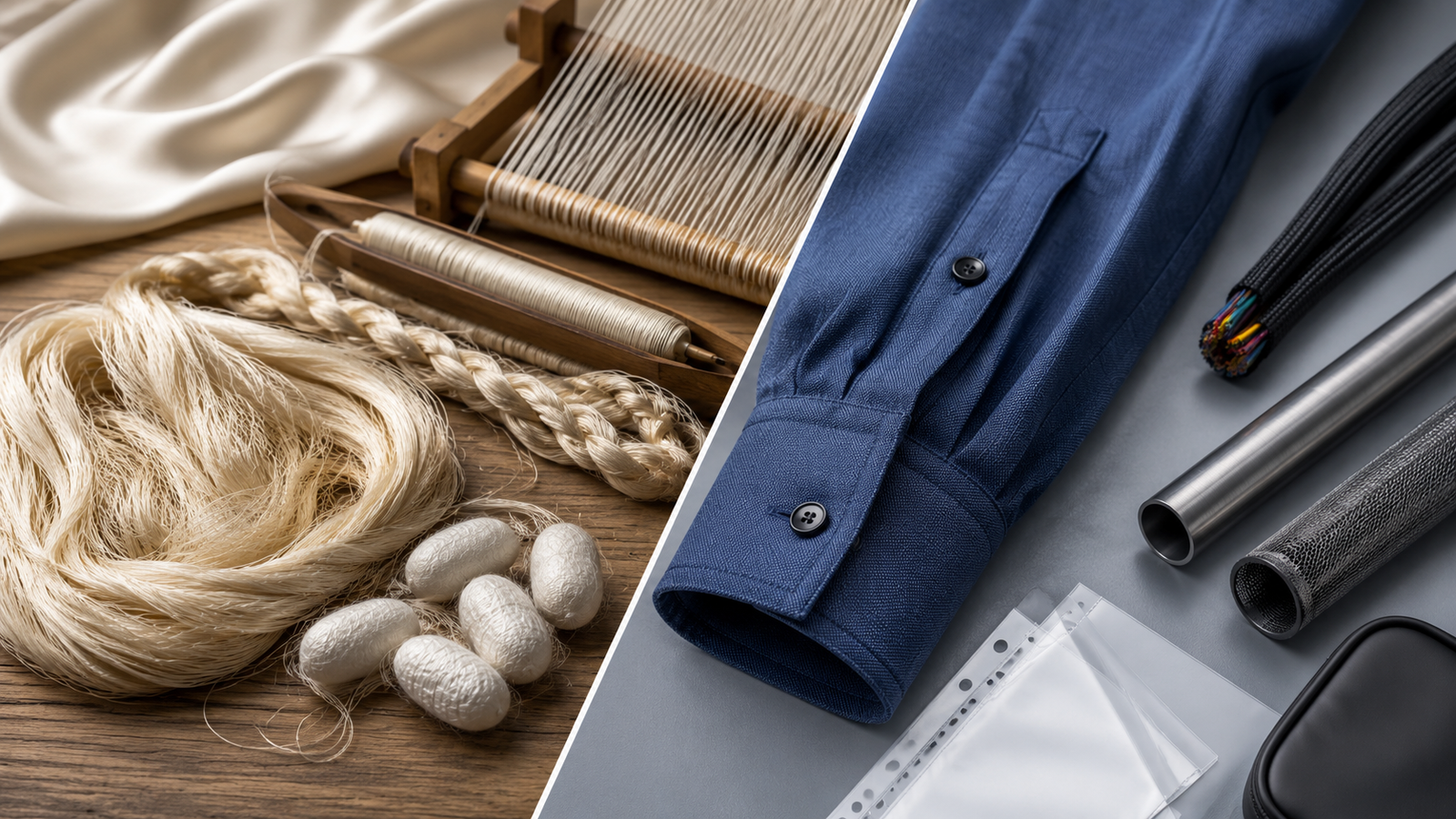
The word sleeve is part of modern English vocabulary and is used across countless industries and everyday situations. It refers to the part of a garment that covers the arm or a protective covering placed around another object. Sleave, on the other hand, belongs to historical English and refers to untwisted silk fibers or fine silk thread used in textile production. Today, it is found primarily in dictionaries, historical documents, and classic literature rather than everyday speech.
What Does Sleeve Mean?
A sleeve is one of the most familiar parts of clothing. Shirts, jackets, dresses, sweaters, coats, uniforms, blouses, and countless other garments include sleeves that cover either part or all of the arm. Sleeve designs influence both the appearance and comfort of clothing, making them an important feature in fashion.
The meaning of sleeve extends far beyond apparel. Modern industries use the word to describe any protective covering that surrounds another object. Plastic document sleeves protect important papers, laptop sleeves prevent scratches, card sleeves preserve collectible cards, and cable sleeves keep electrical wiring organized and safe. This broad range of applications explains why the word appears so frequently in daily life.
The Many Types of Sleeves in Fashion
Fashion designers have developed hundreds of sleeve styles over the years to suit different clothing trends and purposes. Every sleeve design changes the appearance of a garment while also affecting comfort, movement, and style.
Long sleeves remain popular during colder months because they provide warmth and additional coverage. Short sleeves are ideal for casual clothing and summer outfits. Cap sleeves create a delicate appearance for dresses, while puff sleeves add volume and elegance. Bell sleeves, bishop sleeves, raglan sleeves, lantern sleeves, kimono sleeves, flutter sleeves, and dolman sleeves all contribute unique visual effects that continue to influence modern fashion collections around the world.
Everyday Uses of Sleeve
The word sleeve appears in far more situations than most people realize. Offices use transparent sleeves to protect important documents from dirt and moisture. Schools use binder sleeves for educational materials, while photographers rely on photo sleeves to preserve valuable prints.
Technology has introduced even more uses. Laptop sleeves protect portable computers during travel, tablet sleeves reduce scratches, and smartphone sleeves offer additional protection. Sports equipment, industrial machinery, plumbing systems, and construction materials also incorporate sleeves for protection, insulation, and durability.
What Does Sleave Mean?
Unlike its modern counterpart, sleave is rarely encountered outside historical discussions. Traditionally, the word referred to untwisted silk fibers, loose silk thread, or silk floss used during textile manufacturing. Before industrial machinery transformed fabric production, skilled workers processed delicate silk into fine strands before weaving luxurious cloth.
Although the word remains part of the English language, it has become largely obsolete. Modern speakers seldom use it in conversation, and many dictionaries identify it as an archaic or literary term. For this reason, most people encounter sleave only while reading historical texts or studying the history of English vocabulary.
The Historical Background of Sleave
Centuries ago, silk production required remarkable craftsmanship. Workers carefully separated raw silk into fine fibers before weaving expensive fabrics. During this process, the material became known as sleave, reflecting its role in traditional textile production.
As manufacturing techniques evolved, newer terminology replaced many older weaving expressions. While the silk industry continued to develop, the word gradually disappeared from everyday language. Today it survives mainly because of its historical significance and occasional appearance in classic literary works.
Why Sleave Still Appears Today
Although few people use sleave in ordinary conversation, the word continues to attract attention because of literature, academic research, and dictionary references. Students studying historical English often encounter unfamiliar vocabulary that includes words no longer used in modern communication.
Readers of classic literature may notice sleave and mistakenly assume it is a misspelling of sleeve. In reality, both words are legitimate English terms, but their meanings belong to completely different contexts.
The Main Difference Between Sleave and Sleeve
The easiest way to remember the distinction is by considering how often each word appears in modern life. Sleeve is used every day in fashion, engineering, electronics, manufacturing, sports, and home organization. It is a practical word with countless real-world applications.
Sleave, however, belongs primarily to historical language. It refers to silk fibers and weaving processes rather than clothing or protective coverings. Outside historical or literary discussions, there are very few situations where modern writers need to use the word.
Why People Often Make This Mistake
One reason the comparison sleave vs sleeve generates so much interest is their nearly identical spelling. A single misplaced letter can completely change the intended meaning of a sentence. Typing quickly, relying on autocorrect, or hearing the words spoken aloud often leads to confusion.
Online searches have also contributed to the misunderstanding. Many users accidentally search for sleave when they actually want information about clothing sleeves or protective sleeves. Search engines recognize this common mistake, which explains why the two words are frequently compared.
What Is Sleeving?
The term sleeving refers to the process of adding, installing, or using a sleeve for protection, reinforcement, organization, or decoration. Depending on the industry, the exact meaning changes slightly while maintaining the same general concept of surrounding one object with another protective layer.
In clothing manufacturing, sleeving may involve attaching sleeves to garments. In electrical engineering, sleeving protects wires from heat, friction, and moisture. Mechanical industries use sleeving to reinforce machine components, while packaging companies apply decorative sleeves to bottles and consumer products.
Wire Sleeving in Modern Technology
Electrical systems depend heavily on proper cable protection. Wire sleeving organizes electrical cables while reducing damage caused by friction, heat, chemicals, and environmental exposure. Professional electricians and computer builders regularly use braided sleeving to improve both safety and appearance.
Modern data centers, automotive manufacturers, robotics companies, and industrial facilities rely on high-quality cable sleeving to extend equipment life and simplify maintenance. Even home users benefit from cable sleeves by keeping entertainment systems and computer desks neat and organized.
Sleeve Applications in Engineering
Engineering uses the concept of sleeves in many mechanical systems. Cylinder sleeves help restore worn engine blocks without replacing expensive components. Bearing sleeves reduce friction, improve performance, and extend equipment lifespan.
Pipe sleeves protect plumbing installations where pipes pass through walls or concrete. Construction projects also depend on sleeves to prevent structural damage while allowing movement caused by temperature changes or vibration.
Protective Sleeves for Everyday Items
Protective sleeves have become increasingly common because people want to preserve valuable possessions. Laptop sleeves prevent scratches during travel, passport sleeves protect important documents, and tablet sleeves reduce everyday wear.
Collectors also depend on protective sleeves. Trading cards, photographs, comic books, and important certificates remain in excellent condition when stored inside high-quality protective sleeves designed specifically for long-term preservation.
Sleeve in Fashion and Personal Style
Fashion trends continuously reinvent sleeve designs to create fresh looks. Designers experiment with different lengths, shapes, fabrics, and decorative details to produce garments suitable for every occasion.
Formal dresses often feature elegant bishop sleeves or flowing bell sleeves, while casual clothing typically includes comfortable short sleeves or long sleeves. Seasonal fashion collections introduce new interpretations of classic sleeve styles while maintaining their practical purpose.
Common Expressions Using Sleeve
English contains several popular idioms featuring the word sleeve. These expressions have become part of everyday conversation and often carry meanings unrelated to clothing.
Someone who “wears their heart on their sleeve” openly expresses emotions rather than hiding them. Another person who has “something up their sleeve” possesses a secret plan or unexpected advantage. These expressions demonstrate how deeply the word has become embedded in modern English.
Common Writing Errors to Avoid
The most common mistake is replacing sleeve with sleave when discussing clothing, protective covers, fashion accessories, or engineering products. Since sleeve is overwhelmingly more common in everyday English, it is almost always the correct choice.
Using sleave incorrectly may confuse readers because the word carries an entirely different historical meaning. Before publishing any article, report, or assignment, writers should double-check which word fits the intended context.
Which Word Should You Use?
If you are writing about shirts, jackets, dresses, protective covers, laptop accessories, cable management, industrial equipment, or fashion design, the correct word is sleeve. It is the accepted modern spelling used worldwide.
Reserve sleave only for discussions involving historical textiles, silk production, old English vocabulary, or literary analysis. In almost every practical situation, sleeve will be the word you need.
Conclusion
The debate surrounding sleave vs sleeve highlights how two nearly identical words can have completely different meanings. While sleeve remains an essential part of modern English and appears in fashion, technology, engineering, manufacturing, and everyday conversation, sleave survives mainly as a historical term connected with silk thread and traditional weaving.
Understanding the distinction helps writers communicate more accurately, improves vocabulary, and prevents common spelling mistakes. Whether you are discussing clothing sleeves, protective sleeves, wire sleeving, or studying historical English literature, knowing the correct usage ensures your writing remains clear, professional, and grammatically accurate. By remembering that sleeve belongs to modern everyday language and sleave belongs to history, you can confidently choose the right word every time.